

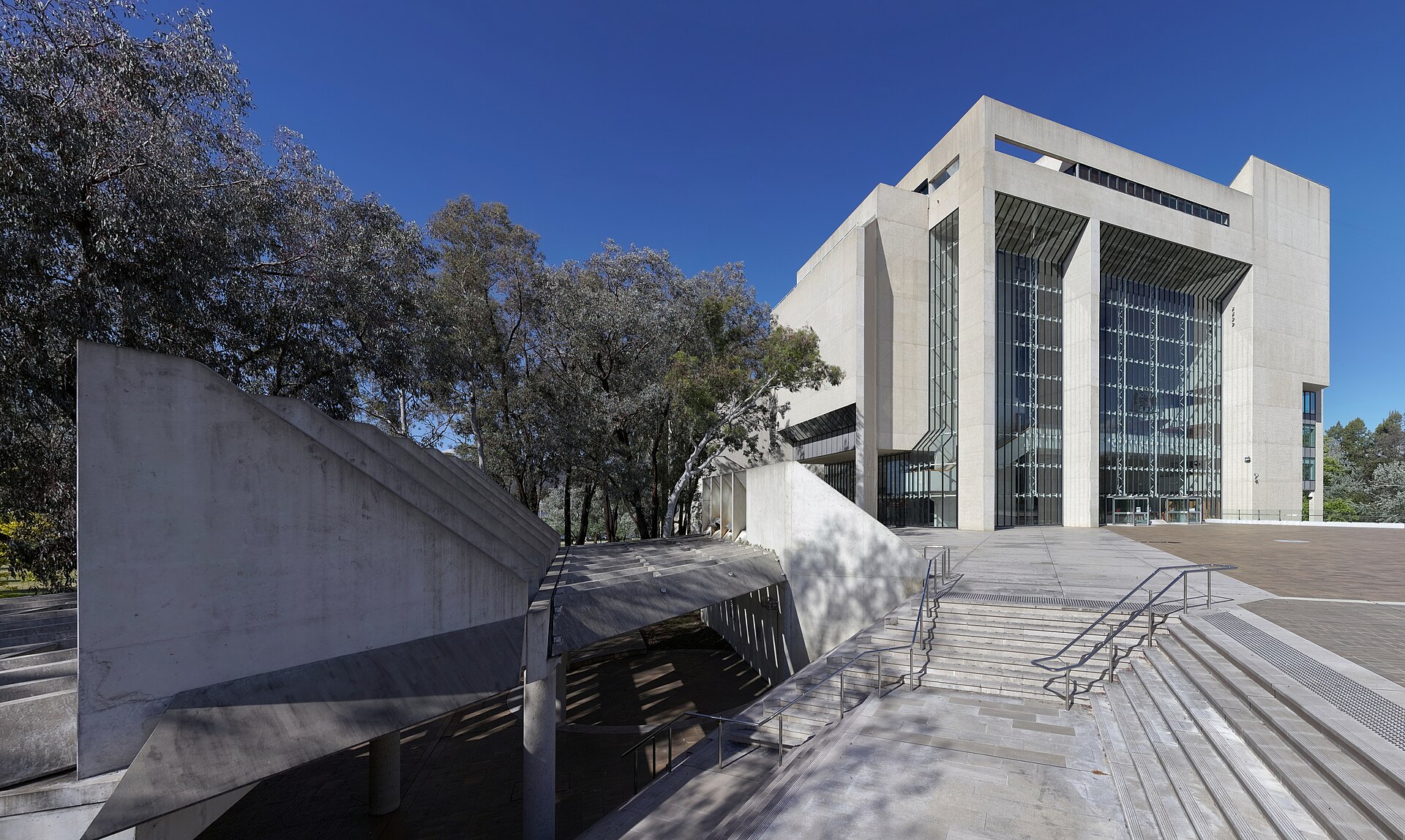
Australia’s highest court on Wednesday 7 October 2026 ruled against the expansion of the Mount Pleasant coal mine in New South Wales, finding that planning authorities had failed to ensure greenhouse gas emissions would be “minimised to the greatest extent practicable”, according to Al Jazeera, citing AFP.
The ruling
Reuters, as published by TimesLIVE, reported that the High Court of Australia dismissed the mine operator Mach Energy’s appeal with costs, and that it was the first time the country’s top court had ruled on a climate change case. Al Jazeera said three of the court’s five judges found that the expansion must be halted because planning authorities were obliged to consider granting consent only with conditions ensuring all greenhouse gas emissions were minimised.
Reuters said so-called Scope 3 emissions, which arise when the coal is burnt, made up 98 per cent of the mine’s greenhouse gas emissions, but that the New South Wales Independent Planning Commission did not consider rules to address them because most would be generated overseas. Justice James Edelman said: “By focusing only on 2% of the project’s emissions, the commission failed in its reasons to consider whether conditions should be imposed to ensure greenhouse gas emissions are minimised to the greatest extent practicable.”
The project and the parties
Mach Energy had sought to extend the life of the open-cut mine in the Hunter Valley to 2048 and double its coal production, which Reuters said would have allowed an extra 406 million tonnes of coal to be extracted. The case was brought by retired science teachers Wendy Wales and Tony Lonergan, Al Jazeera said. Wales said the court had said “what we have always known”.
Mach Energy said it was “disappointed with the outcome” but accepted the decision, adding that it would “continue to actively pursue all available options” for the mine’s long-term continuity, according to Al Jazeera.
Reaction
Reuters reported that the ruling drew both praise and criticism. Aaron Morey, chief executive of the Western Australia Chamber of Minerals and Energy, said it created “fresh uncertainty” for his state’s liquefied natural gas industry, and Minerals Council of Australia chief executive Tania Constable said it sent a “very negative signal” to trade and investment partners about sovereign risk. Campaigners, including lawyer Anita O’Hart, said the ruling would be applied by courts and planning authorities across Australia, according to Al Jazeera.
Why It Matters
The decision turns on how decision-makers must weigh emissions that occur outside a project’s immediate footprint, a question that planning systems in many countries face. The divided reactions show the stakes for investors and for communities, and the way agencies and companies adapt their assessment processes in the coming months will indicate how far the ruling shapes future approvals.



Leave a Reply