

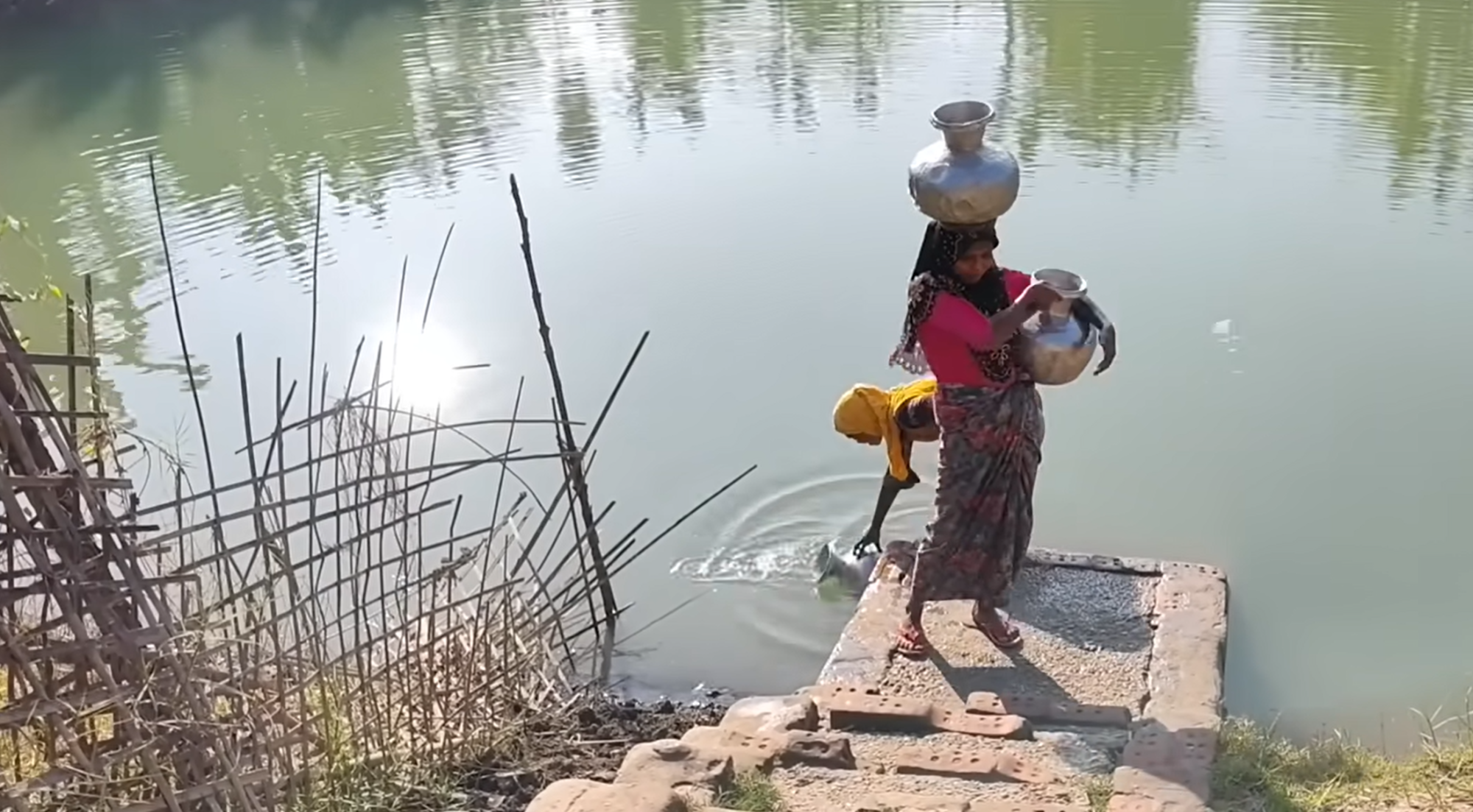
More than two in three people in Myanmar now endure multidimensional poverty or are at risk of falling into it, according to a report issued by the UN Development Programme (UNDP) on Thursday 8 October 2026, as reported by UN News. The report, titled “Layers of Deprivation: Multidimensional Poverty in Myanmar”, says that more than 37 million people, or 68 per cent of the population, are experiencing overlapping crises.
More Than an Income Crisis
UNDP said years of conflict, displacement, economic disruption and climate shocks have led to a simultaneous collapse of shelter, healthcare, schooling and livelihoods for millions of people. UN News noted that Myanmar has been in civil war since the military seized power in February 2021, and that the country also faces macroeconomic instability, recurrent disasters and the continuing impact of the March 2025 earthquake.
According to the report, the country is confronting more than an income crisis, as buffers that helped families absorb shocks, such as savings, stable livelihoods, access to services and social support networks, are steadily disappearing. Deficits in health and living standards account for more than 80 per cent of multidimensional poverty, UNDP said, including difficulties in accessing healthcare, adequate housing, clean water and sanitation, particularly in conflict-affected areas.
Uneven Across the Country
The report describes a mixed picture. Rakhine state in the west is among the most severe hotspots, with more than two-thirds of the population multidimensionally poor and nearly a third severely poor. UNDP cautioned that deprivation among some stateless and displaced populations there, including ethnic Rohingya communities, may be understated because of limits on collecting data by phone. The findings also challenge the assumption that poverty is primarily rural: the Yangon region has lower poverty rates than many conflict-affected states, but it is home to one of the largest concentrations of multidimensionally poor people, according to the report.
UNDP said roughly one in five households in Myanmar faces climate-related risks such as floods, cyclones, droughts and landslides, and that these shocks are expected to intensify with the coming El Niño weather pattern. By the end of August, roughly 600,000 people had been affected by flooding, the report noted. It also cited external economic pressures, including rising fuel prices linked to the Gulf crisis, inflation and higher food costs.
The report highlights young people. UNDP said at least one million young people may have left Myanmar since 2021, which it called one of the largest losses of human capital in the country’s recent history. It added that nearly half of households that depend on casual labour are multidimensionally poor.
“The greatest risk facing Myanmar is not only the deepening of poverty today, but the narrowing of opportunities tomorrow,” said Kanni Wignaraja, UNDP’s Regional Director for Asia and the Pacific. UNDP called for continued investment in livelihoods, education, healthcare, local markets and basic services.
Why It Matters
The report frames poverty in Myanmar as a loss of access to basic services and opportunity, not only a shortage of income. That framing suggests that relief and recovery support would need to reach education, health and livelihoods as well as immediate needs.



Leave a Reply