

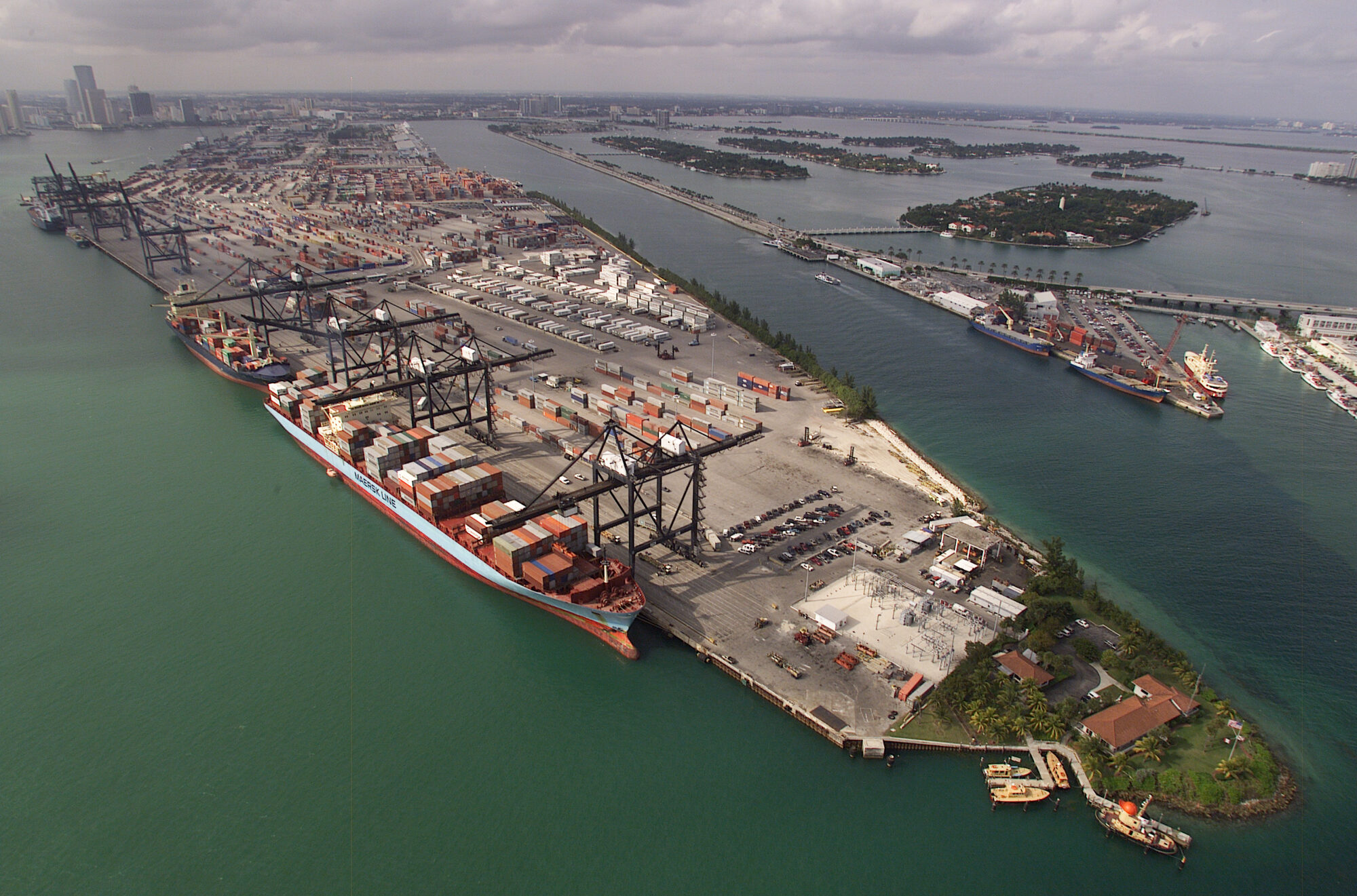
World trade reached a record $35 trillion in 2025, but developing countries were held back from fuller participation in the global economy by new technological and policy barriers, the UN trade and development agency UNCTAD said on Friday 9 October 2026, according to UN News.
UN News reported that UNCTAD’s analysis points to a shift in where companies put their money. Senior UNCTAD official Anastasia Nesvetailova said only a fraction of corporate investment is now driven by traditional concerns such as “low labour costs”, with value moving into strategic sectors including semiconductors, artificial intelligence, clean energy and advanced computing, where the barriers to entry are high and rising.
Barriers to Entry
The agency identified increasing export controls, investment screening and supply-chain pre-conditions as the reasons why strategic sectors have become harder for developing countries to access. Looking at this year, UNCTAD said higher trade values continue to be driven by price rises linked to the global energy shock caused by the US-Iran war.
A Shifting Trade Map
According to UN News, UNCTAD said trade between China and the United States has fallen by more than 20 per cent since 2024, while East Asian countries have expanded their trade links with both China and North America. Nesvetailova said Asia will contribute 60 per cent of global growth this year even as the wider economy slows. She named China, India, Indonesia, Kyrgyzstan, Mongolia, Tajikistan, Uzbekistan and Vietnam among the fastest-expanding economies.
Outside a handful of Asian economies, UNCTAD said most of the Global South is falling further behind. As growth slows there, the agency said, financial risks are mounting and development finance is under strain. To support trade in developing countries, UNCTAD called for long-term backing for domestic industries, training, research, and foreign investment tied to local suppliers.
Why It Matters
A record headline figure can mask uneven gains. UNCTAD’s message, as reported, is that trade is growing in value but that the sectors attracting investment are those that are hardest for lower-income countries to enter, and that this year’s higher values owe much to energy prices. For policymakers in developing economies, the question is whether domestic industry support, skills and investment linked to local suppliers can open a path into those strategic sectors. For businesses and investors, the shift away from low labour costs as the main driver of investment may change where and how new capacity is built.



Leave a Reply