

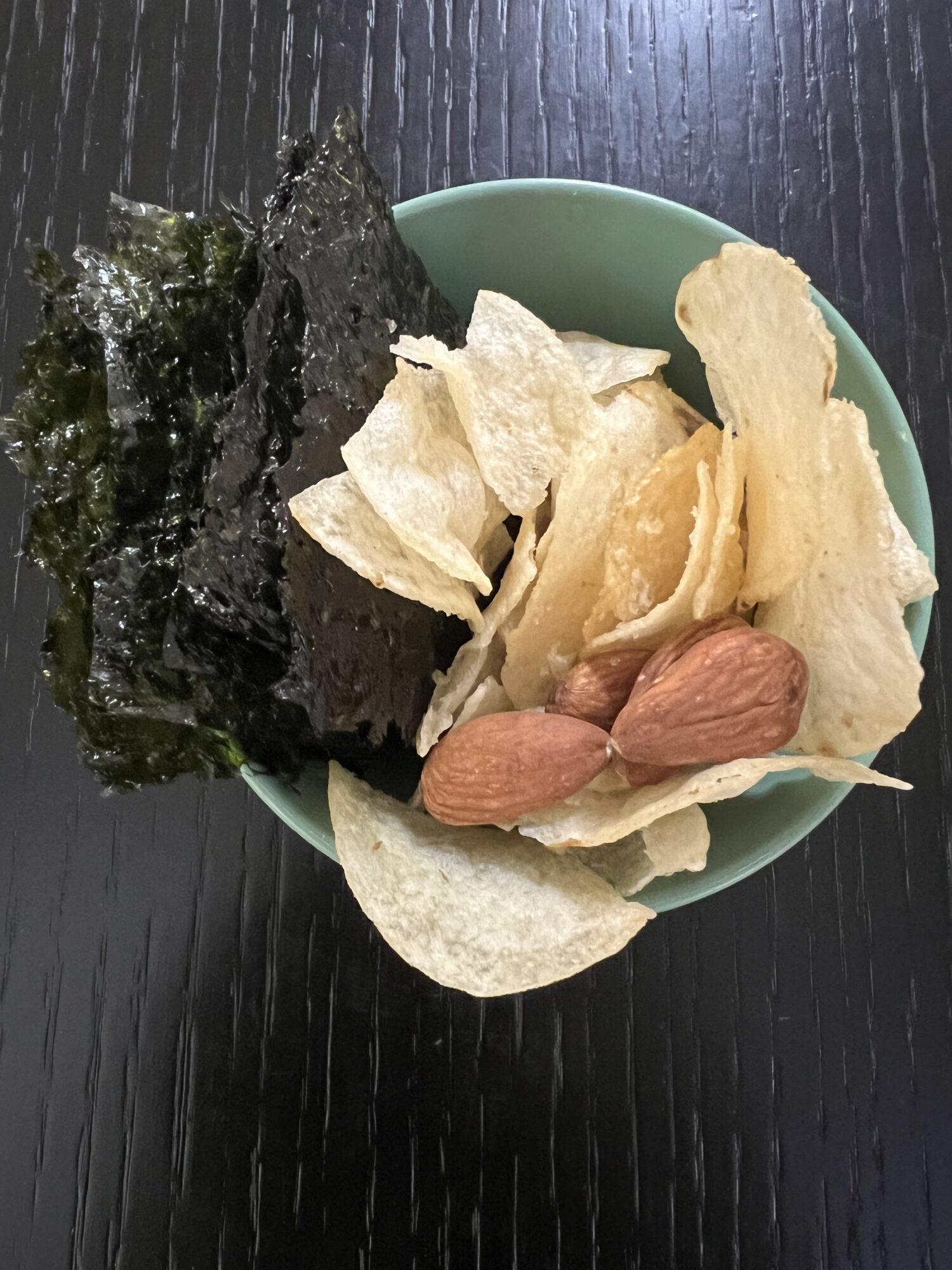
Eating late at night may be linked to a higher risk of liver disease, according to new research led by Oregon Health & Science University (OHSU) and announced by the university on 9 October 2026. The study, which is due to be published in the journal Clinical Gastroenterology and Hepatology, documented an increase in the correlation between late-night eating, defined as eating after dinner or after bedtime, and two types of liver disease: metabolic dysfunction-associated steatotic liver disease and cirrhosis.
What the Researchers Did
The team analysed three large, existing nationwide datasets: the Nurses’ Health Study, the Nurses’ Health Study II and the Health Professionals Follow-up Study. According to OHSU, they extracted diet and lifestyle habits self-reported by almost 200,000 participants, grouped them by eating behaviours and looked for links to reported fatty liver disease or cirrhosis. They found a 20 to 30 per cent increase in all forms of liver disease among people who reported late-night eating compared with those who did not.
Lead author Robert Wilechansky, a hepatologist at OHSU who specialises in liver transplantation, said earlier studies had hinted at the idea but that this is among the first long-term analyses to explicitly draw the connection to fatty liver disease. He noted that as much as 30 per cent of the US population is affected by fatty liver disease, and said that of those who develop it only a small fraction go on to serious forms such as cirrhosis.
The Body Clock Angle
OHSU said the work adds to evidence that circadian rhythm affects overall health. Co-author Andrew McHill, an associate professor and sleep and circadian physiologist, said: “We are seeing over and over again that the timing of behaviors, whether it’s sleep, eating or exercise, really matters.” He noted that earlier research in animal models shows the liver to be among the organs most susceptible to a mismatch between the timing of eating and sleep.
Wilechansky’s takeaway was that confining calorie intake to the hours well before bedtime might be beneficial. He cautioned, however, that the study is observational and based on broadly defined, self-reported data, so it offers a starting point for further research rather than proof of cause and effect. He is part of an OHSU team recruiting for a study that will monitor eating behaviours directly to see whether eating earlier improves clinical measures of underlying fatty liver disease. The research was supported by the American Association for the Study of Liver Diseases Foundation, and co-authors include researchers at Massachusetts General Hospital in Boston.
Why It Matters
Advice about when to eat is easy to give and hard to test. This study does not show that a late snack causes liver disease, and its authors say as much, but it points to meal timing as a factor worth testing alongside what people eat. The follow-up study that OHSU is recruiting for is designed to examine that question more directly.



Leave a Reply