

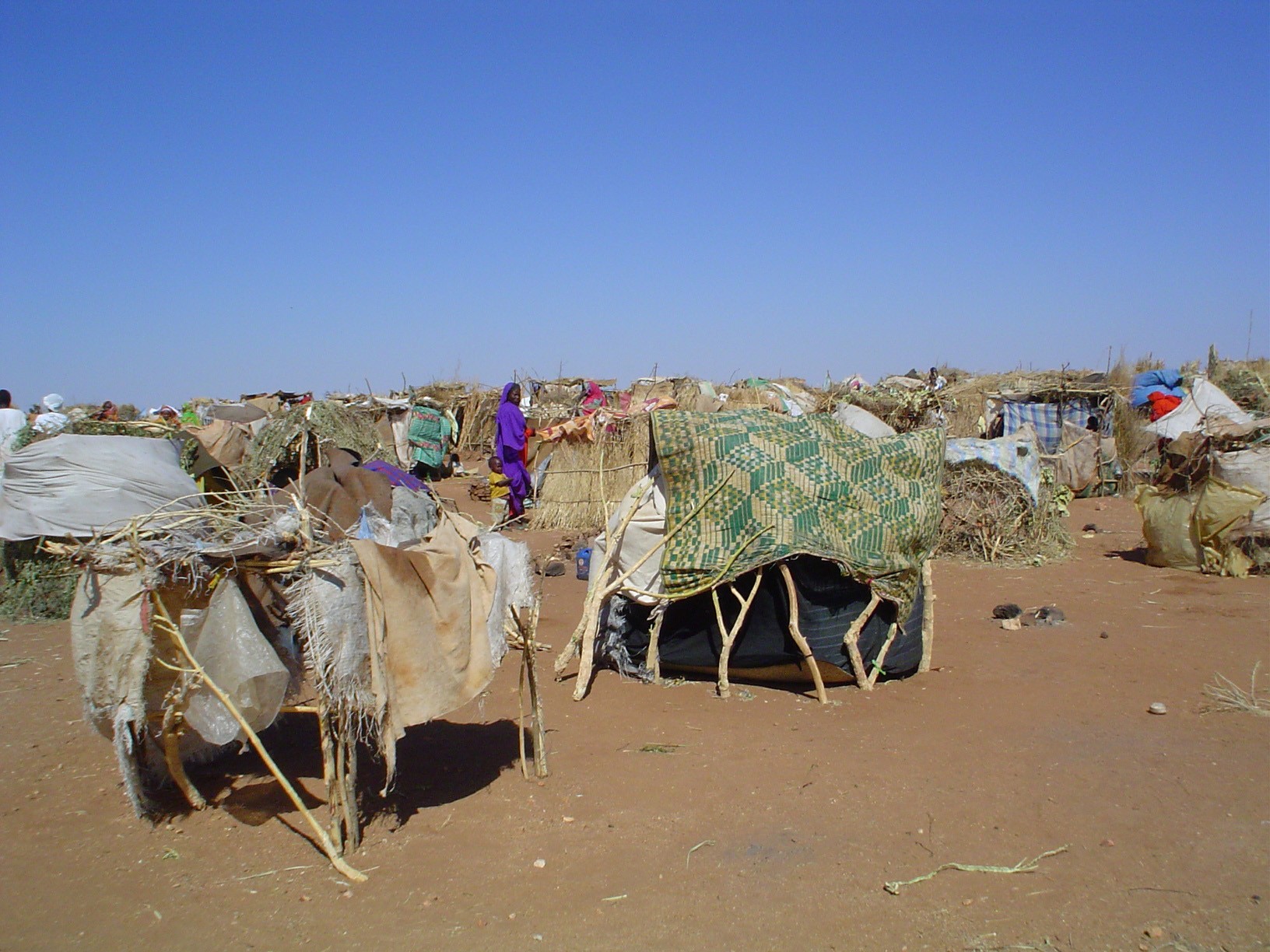
Child malnutrition above the famine threshold has been recorded in two camps in South Darfur, a UN-backed hunger monitor said on Monday 12 October, UN News reports.
A survey of two camps for displaced people in Eastern Jebel Marra found acute malnutrition among children at 38 and 30.8 per cent. The alert, from the Integrated Food Security Phase Classification (IPC), says the risk of famine is growing in Greater Darfur and Greater Kordofan, where a severe El Niño drought compounds the war. The IPC is a partnership that includes the WFP and the FAO. It says malnutrition is worsening in several hotspots and aid is not keeping up.
Drought on Top of War
Drought now covers more than half of Sudan, wiping out crops in some areas and leaving families without food or income, according to the alert. In North Darfur, 64 per cent of cropland is showing poor plant growth. Rains arrived in late September, too late to save most cereal crops, and cereal prices are very likely to keep rising.
Greater Kordofan, which the alert describes as the epicentre of Sudan’s conflict, has seen more than 300,000 people forced from their homes since October 2025. Markets there have been hit by more than 170 airstrikes, looting incidents or armed clashes this year. Two trucks contracted by WFP came under fire on 2 and 3 October, killing at least one person.
Children Without Treatment
Across Greater Darfur, 13 of the 17 nutrition surveys carried out since January found critical levels of acute malnutrition. In Nyala, the share of children seeking nutrition help who needed treatment for severe acute malnutrition more than doubled between January and August, from five to 11 per cent.
As of August, only 26 per cent of those expected to need care for severe acute malnutrition with medical complications had received it, the alert says; without treatment, as many as two thirds of them could die. As of 8 October, less than half of the humanitarian appeal for Sudan had been funded.
What the Monitor Is Asking For
The IPC’s Famine Review Committee said there is not enough survey data for a full analysis, but that the evidence points to a rapidly worsening situation. “We are witnessing a humanitarian catastrophe, already of historic proportions,” the committee said, according to UN News. The alert called for an end to the fighting, safe and sustained access for aid agencies, especially in North and West Kordofan, and flexible funding on a large scale. Without a major increase in help, it warned, more lives will be at risk.
Why It Matters
The document is an alert rather than a full famine analysis, since the committee says survey data is insufficient. Even so, the alert links three pressures that aid agencies cannot easily solve separately: drought, conflict and funding. What to watch next is whether funding and access improve, which the alert says are needed on a large scale.



Leave a Reply