

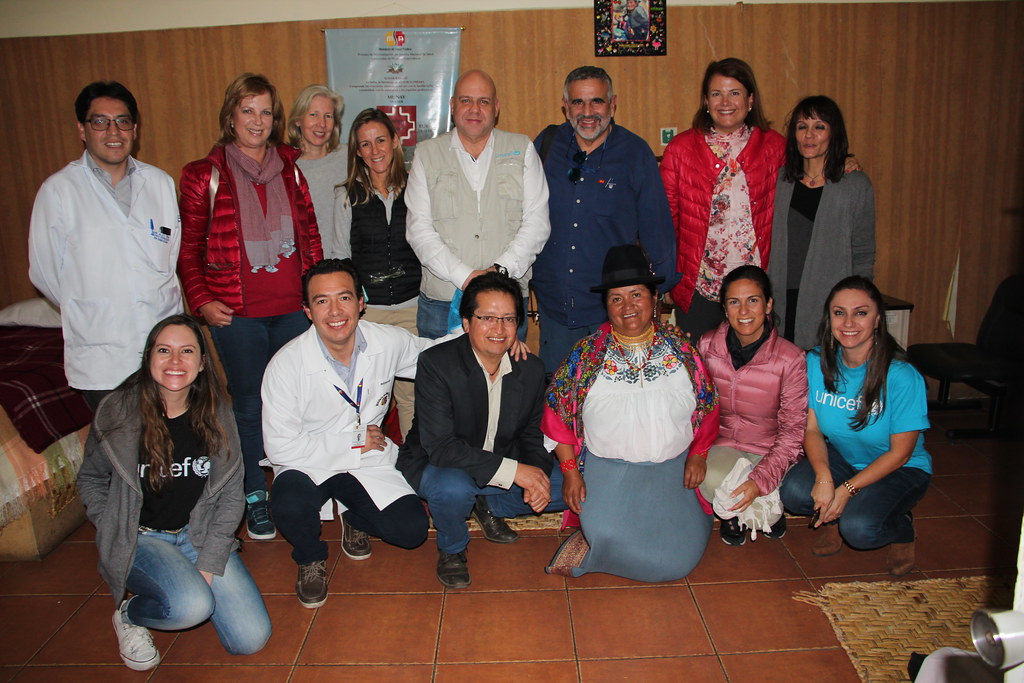
United Nations Secretary-General António Guterres marked the International Day of the World’s Indigenous Peoples on 9 August with a message devoted to Indigenous midwives, urging governments to invest in their training and in the data needed to understand Indigenous health. The message, dated 9 August 2026 on the UN country team website for Indonesia and published on the UN’s observance page, ties this year’s commemoration to maternal and infant health.
The Health Gap
Mr Guterres said Indigenous Peoples account for over 6 per cent of the world’s population and are guardians of cultural heritage and stewards of vital ecosystems, yet face disproportionate threats to their rights and well-being. According to the message, some of the starkest gaps relate to maternal and infant health, where complications and deaths are far more prevalent than among the wider population.
The Secretary-General said evidence shows Indigenous midwives improve outcomes for mothers and babies, strengthen trust in health systems and ensure continuity of care. He added that, as knowledge holders and leaders, they also help preserve the languages, values and practices that sustain Indigenous cultures across generations.
What He Asked For
The message said the United Nations is working with member states and Indigenous Peoples to advance rights-based approaches to health. Mr Guterres called on governments to gather the missing data that leaves Indigenous patients invisible in healthcare systems and to invest more in training for midwives and in natal care. He also stressed that the rights of Indigenous women to make informed decisions about their own bodies and care must be upheld. He closed by saying that traditional wisdom can protect new life and that Indigenous midwives, and the communities they serve, should have everything they need to thrive.
The UN observance page says the day is marked every 9 August, chosen to recognise the first meeting of the UN Working Group on Indigenous Populations in Geneva in 1982.
Why It Matters
The message links a cultural question to a measurable health one. By asking for better data, the Secretary-General is pointing to a basic problem: where Indigenous communities are not counted properly in health statistics, gaps in care are hard to see and harder to close. His call for training and natal-care funding is addressed to governments, which control the budgets, and the test will be whether any of them turn recognition of Indigenous midwives into policy and funding.



Leave a Reply