

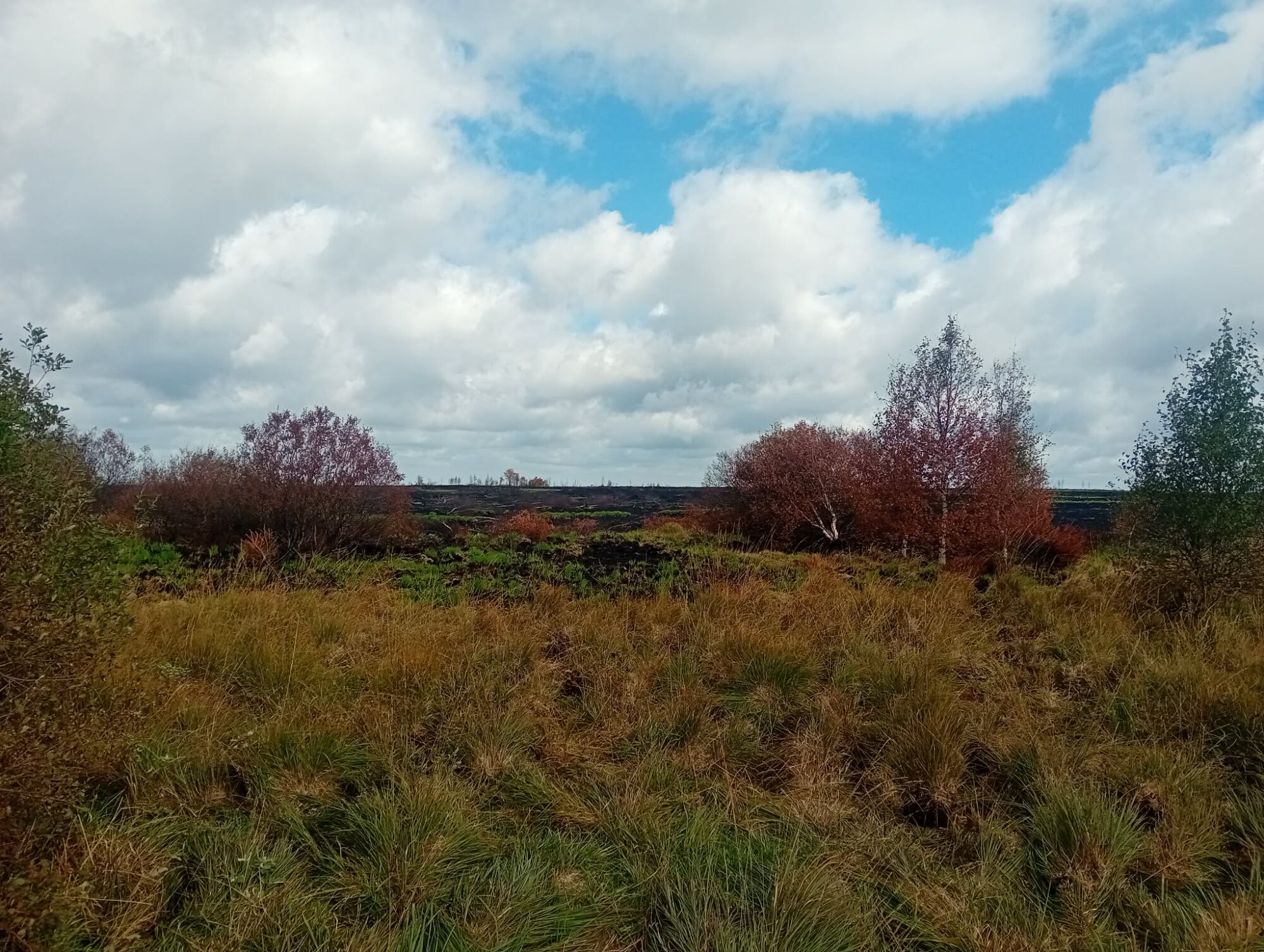
A fire in Belgium’s High Fens nature reserve more than doubled in size in 24 hours to around 3,000 hectares, Euronews reported on 16 August, which it described as the largest wildfire in Belgium’s recorded history. This analysis looks at what that day’s reporting suggests about how Europe copes when several countries burn at once. The interpretation is ours; the facts are attributed to Euronews.
A Local Vulnerability, a Continental Problem
According to Euronews, authorities in Wallonia said more than 250 firefighters and other emergency workers were deployed on Saturday night, and local farmers were helping. The report says the reserve is particularly vulnerable because its extensive peatlands and pine forests have been dried out by prolonged hot weather. Around 600 people in Liège province were reportedly asked to leave their homes, and the fire was heading towards the German border.
Belgium was not alone. Euronews reported firefighters tackling major blazes in Germany, France, Croatia, Spain and Greece in persistent heat and dry conditions. In France, more than 1,700 hectares had burned in the Landes region since Thursday, according to the report. In Spain’s Aragon region, authorities said they had deployed the largest firefighting arsenal in the region’s history against a fire affecting up to 16,600 hectares. In Croatia, four people were arrested on suspicion of starting wildfires.
Cooperation at Work, and Under Pressure
Belgium activated the EU Civil Protection Mechanism on Saturday, which brought three helicopters and two water-bombing aircraft from Sweden, the Netherlands and the Czech Republic, Euronews said. Firefighters from Germany and Luxembourg also crossed the border to help, and Belgium’s unified defence force sent personnel and vehicles.
One reading of these facts is that cross-border help is now an operational necessity rather than a gesture of solidarity: a country that, according to Euronews, had never recorded a fire of this size drew on aircraft from three other countries within a day. A second reading is more cautionary. When fires are burning in six countries simultaneously, as the report describes, shared aircraft and crews can only be in so many places, and the report describes persistent heat and dry conditions affecting all six countries. Whether pooled resources can keep pace with simultaneous demand is a question the Euronews report does not address.
Why It Matters
The Belgian fire suggests that large-scale wildfire risk may not be confined to southern Europe, and that countries where no fire of this size has been recorded may need to build capacity quickly. For the EU, the day’s events raise the question of whether its cooperation arrangements can handle several emergencies at once. Planning for dry peatlands, northern forests and shared aerial assets together, rather than country by country, would be a logical response, though that is an argument rather than an established finding.



Leave a Reply