

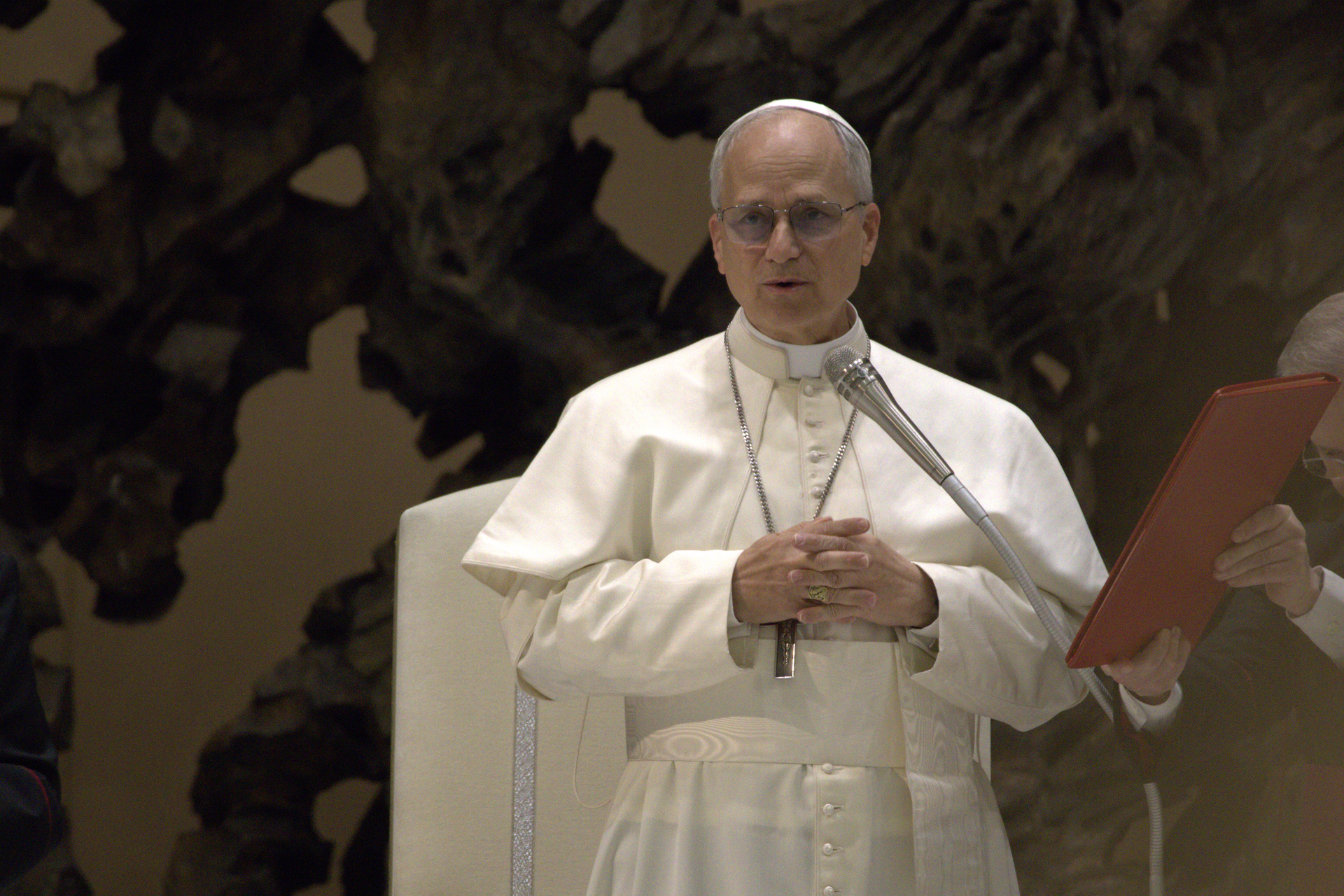
Pope Leo XIV has published an apostolic letter, in the form of a motu proprio, that gives the Synods of Bishops of the Eastern Catholic Churches an “orderly procedure” for removing a Patriarch from office if the relationship between the two becomes irreparably damaged, Vatican News reported on Saturday 29 August.
The document, titled Mutua concordia, amends canons 106 and 126 of the Code of Canons of the Eastern Churches. According to Vatican News, it applies without prejudice to the prerogatives of the Apostolic See.
How the Procedure Works
Under the new provisions, as described by Vatican News, a Synod may be convened by the most senior bishop entitled to vote, in order of episcopal ordination, if the Patriarch fails to fulfil the obligations the Code lays down; if that bishop also fails to act, the power passes to the next most senior bishops. For a grave cause recognised by the Synod, it may ask the Patriarch to resign.
If the Patriarch does not resign, the senior bishop arranges for the Synod to elect a new president, who submits the removal to a secret ballot of at least two-thirds of the members entitled to vote, in the wording Vatican News quotes. The Patriarch keeps the right to a full defence before the Synod. The president then informs the Pope, whose assent is needed for the removal to take effect, which renders the patriarchal see vacant. Vatican News said the Pope’s role is meant to ensure the bishops can express their choice freely, without undue internal or external pressure.
The Reasoning Behind It
Vatican News reported that the motu proprio rests on the close relationship between the Patriarch, who presides as “father and head”, and the Synod he convenes and leads. It says the existing Code made no provision for the case in which that bond is irreparably compromised, a gap the text describes as a grave wound requiring a remedy, as numerous Eastern prelates had urged. The provisions also apply to the major archiepiscopal Churches.
Why It Matters
The change is about how leaders in the Eastern Catholic Churches are held to account. Until now, according to the document as summarised by Vatican News, the Code offered no route for a Synod to act if a Patriarch and his bishops reached an impasse. The new rules add defined steps, a two-thirds ballot and a right of defence, while leaving the Pope as guarantor. The text presents this as strengthening the Synods’ authority and restoring to the Churches a power that originates within them, while reserving for the Pope a role as guarantor. How the procedure is used in practice will be the real test of the reform.



Leave a Reply