

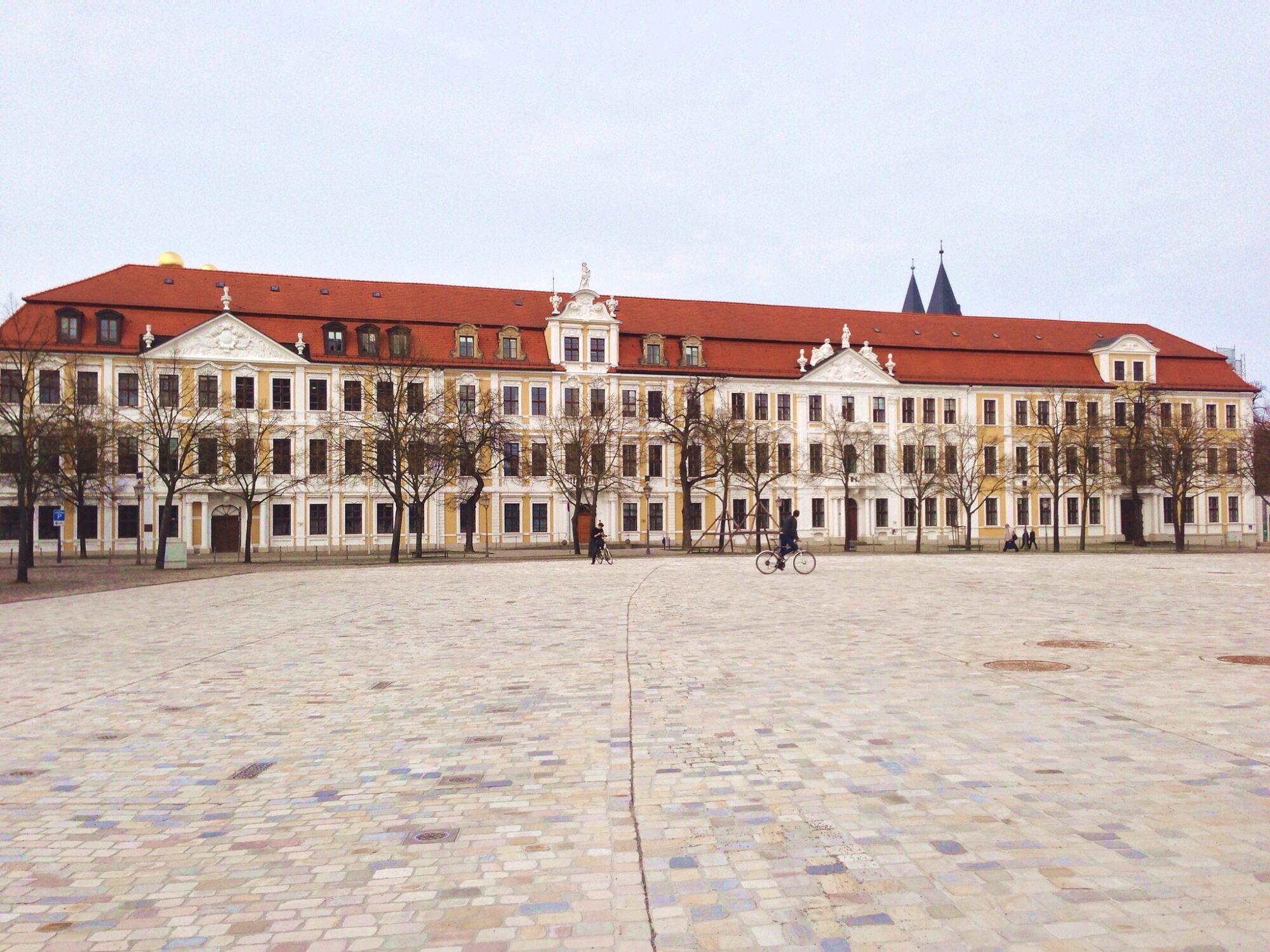
The Alternative for Germany (AfD) won the state election in Saxony-Anhalt on Sunday 6 September, according to preliminary official results reported by Al Jazeera. The party took 43.8 per cent of the vote, more than double the 17.2 per cent won by the incumbent centre-right Christian Democrats (CDU), the party of Chancellor Friedrich Merz. The state returning officer (Landeswahlleiter) publishes the same shares, and lists the AfD on 39 of the 83 seats.
Al Jazeera reported that the latest projections gave the AfD 39 of the 83 seats in the state parliament in Magdeburg, three fewer than the 42 needed for an outright majority. It was not immediately clear, the outlet said, whether the party would be able to form a government.
Reactions From the Parties
AfD lead candidate Ulrich Siegmund said the party had achieved what it set out to do and had made history in the state, while co-leader Alice Weidel also hailed the result as “historic”. Its other national co-leader, Tino Chrupalla, told the broadcaster ARD that voters had rejected the so-called “firewall”, the refusal of other mainstream parties to work with the AfD.
State premier Sven Schulze of the CDU congratulated the AfD and acknowledged that the result had hit his party hard, saying it would have to live with it, according to the report. He later said he did not intend to cooperate with the AfD, the report says, while Merz made no statement on Sunday evening.
A Difficult Path to a Government
The AfD has never taken part in a governing coalition in any of Germany’s 16 states or in the federal government, Al Jazeera notes. The outlet adds that the Saxony-Anhalt branch has been classified as a confirmed right-wing extremist organisation by the state’s domestic intelligence agency, a designation the party rejects as politically motivated. With a projected result short of a majority, the report says, Schulze could try to assemble an alliance of several parties, although the CDU has traditionally ruled out formal cooperation with both the AfD and the Left party.
Al Jazeera also cited a warning from the German Economic Institute that the AfD’s immigration policy would be “ruinous” for the state, which has about 2.1 million residents and relies heavily on foreign-born workers, particularly in healthcare.
Why It Matters
Saxony-Anhalt is a small state, but the result puts the cross-party refusal to work with the AfD under fresh pressure, and Al Jazeera describes it as another blow to Chancellor Merz, whose popularity it says has declined as his coalition struggles to revive growth. The figures first reported on the night were preliminary, and whether any coalition can command a majority in the Magdeburg parliament was still to be settled when the report was published.



Leave a Reply