
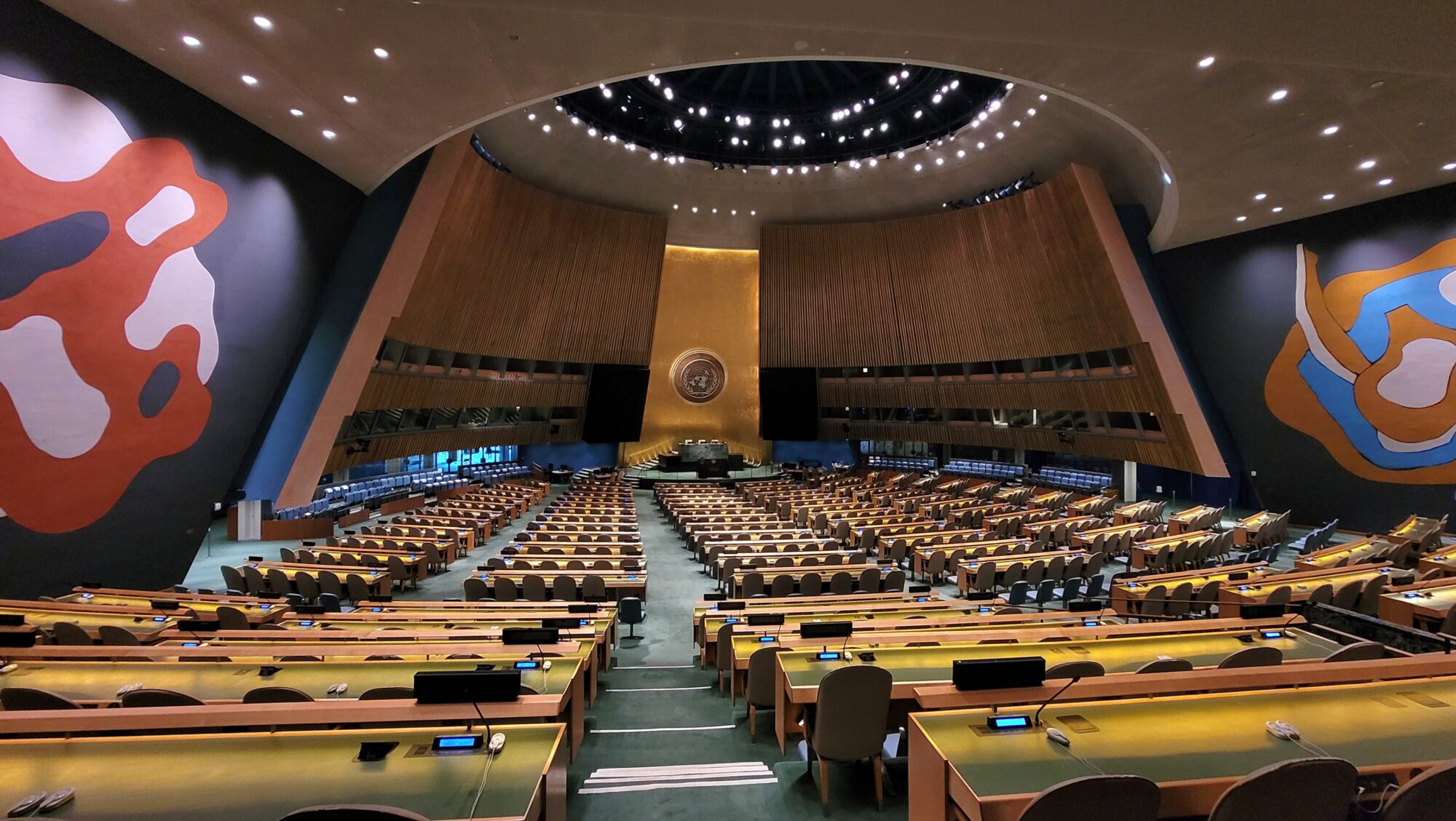
The UN General Assembly elected 15 states to the Human Rights Council on Tuesday 13 October, and every one of them ran unopposed. According to the UN’s press release on the vote, the Assembly voted by secret ballot and, in a single round, elected as new members Burundi, Ghana, Nigeria and Zambia from Africa; Japan, Jordan, Kuwait and Nepal from Asia-Pacific; Moldova and Ukraine from Eastern Europe; Brazil, the Dominican Republic and Uruguay from Latin America and the Caribbean; and Germany and Ireland from the Western European and Others group. Their three-year terms begin on 1 January 2027.
A Vote With Few Surprises
The 47-seat Council allocates seats by region, according to ISHR: 13 for Africa, 13 for Asia-Pacific, six for Eastern Europe, eight for Latin America and the Caribbean, and seven for Western Europe and others. Because each regional group put forward exactly as many candidates as it had seats, the outcome was effectively settled in advance. The International Service for Human Rights (ISHR), an advocacy group, called the vote “wholly uncompetitive” and noted that this was the second year in a row that regional groups had offered only as many candidates as seats.
The ballot was not entirely meaningless, because the tallies still varied. According to the UN press release, in the African group, with 181 valid votes, Zambia obtained 177 votes, the highest of any of the 15 candidates, followed by Ghana with 173 and Nigeria with 172, while Burundi received 160, the lowest total of the 15. ISHR argues that the number of votes a state receives can signal its legitimacy as a member.
Why Closed Slates Draw Criticism
Human rights groups were sharply critical. Louis Charbonneau, UN director at Human Rights Watch, said the vote “makes a mockery of the word ‘election’”, according to Al Jazeera. ISHR says regional groups should nominate more candidates than seats and hold competitive elections as a matter of principle, and it published scorecards for all 15 candidates against 17 criteria, such as cooperation with UN human rights bodies and support for civil society. By its count, only six of the candidates met the majority of those criteria, and it said none has a perfect record. These are the organisation’s own assessments, and others may weigh the same records differently.
Why It Matters
The Council’s credibility rests partly on the idea that membership has to be earned. When no seat is contested, the pressure to make credible pledges or improve a record before polling day is reduced, and the secret ballot becomes a formality for all but the weakest candidates. Whether regional groups respond to calls for genuine competition will say much about how seriously the major multilateral rights body wants to be judged. The next test comes with next year’s election, when the same question will be put to the regional groups again.



Leave a Reply