

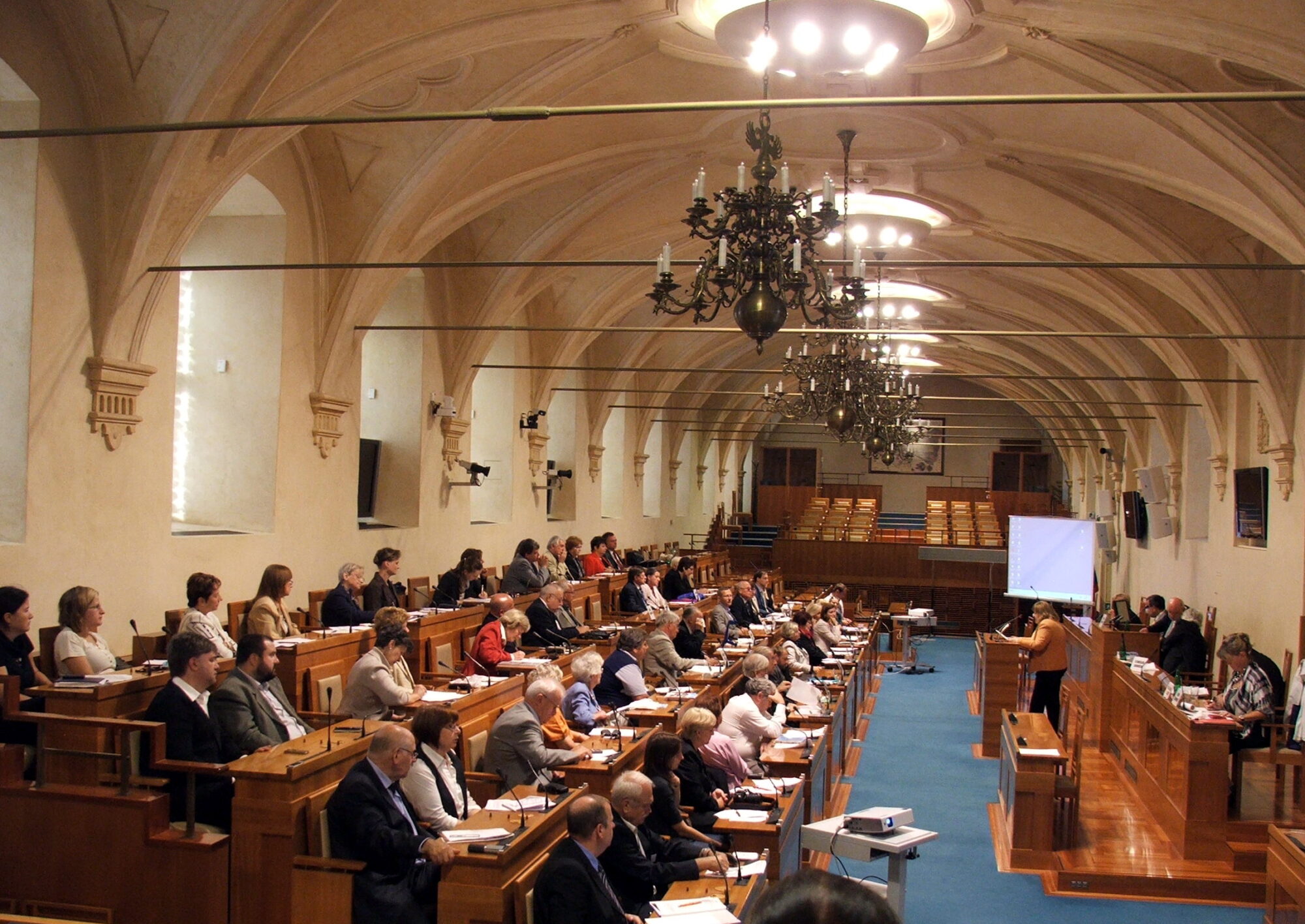
Opposition parties dominated the second round of the Czech Senate elections on 16 and 17 October, while Prime Minister Andrej Babiš’s ANO movement failed to win a single seat, Radio Prague International reported.
One third of the 81-seat upper house was up for election. Run-offs were held in 22 districts, according to the broadcaster; the first round took place on 9 and 10 October.
The Results
Radio Prague said ten of the 14 candidates of the Mayors and Independents party (STAN) were elected, two of them in the first round, and described it as STAN’s first win in the Senate elections in six years. The Civic Democrats (ODS) took seven seats after defending five. The Christian Democrats (KDU-ČSL) kept all three of their seats and TOP 09 kept both of its seats, the report said.
ANO won none of the 13 run-off contests it entered, the broadcaster said. The Pirates lost their Senate representation when their only run-off candidate failed to hold her seat. Radio Prague said turnout in the second round was 21.12 per cent, though it also gave a figure of nearly 22 per cent, and described it as the highest run-off turnout since 2010. Zuzana Ceralová Petrofová, head of the piano maker PETROF and an ODS candidate, was the only woman elected to the Senate this year, according to the report.
Reactions
In a separate report, Radio Prague said Babiš called the outcome “catastrophic” and pointed to ANO’s regional organisations. He said the party leadership would work out which local branches are doing real work and which rely on the party’s name recognition. He added that the result would not change the government’s strategy and rejected claims that it is failing to deliver on its programme.
Why It Matters
Senate elections renew a third of the chamber at a time, so they are often read as a mid-term test of the government’s standing between national votes. Turnout in the run-offs was around 21 per cent, according to Radio Prague, which limits how far the result can be treated as a forecast for a parliamentary election. For ANO, the outcome puts the spotlight on its regional structures, which Babiš himself has singled out, while the opposition parties, many of which backed joint candidates in the first round according to Euronews, will point to their Senate gains.



Leave a Reply