

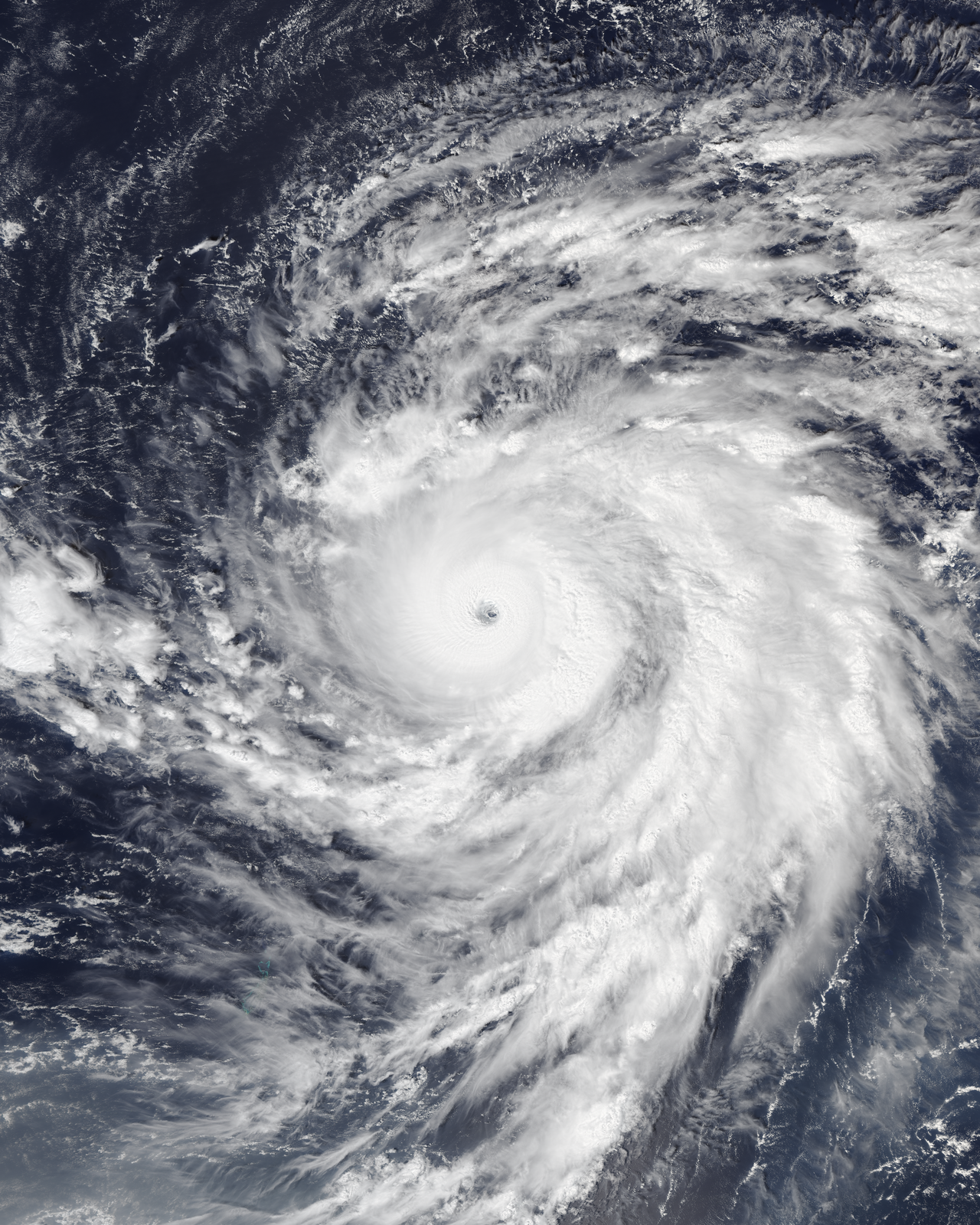
Typhoon Champi swept past the northeast of Taiwan on Friday 23 October, leaving one person dead and more than 500 injured, according to Al Jazeera, which drew on AFP and Reuters reporting. The storm moved north after passing the island, while officials urged residents to stay indoors and warned of destructive winds.
Champi briefly reached super typhoon strength, with winds of nearly 300 kilometres per hour, Al Jazeera said. By Friday it had weakened, and the US Joint Typhoon Warning Center put its maximum sustained winds at 185 kilometres per hour.
Disruption Across Taiwan
More than 5,000 people were moved from their homes, according to the report. Trees were brought down, power lines were disrupted and there was brief flooding. By Saturday, about 56,000 households were still without electricity, and emergency crews had been sent to restore supply. Most shops in northern and central Taiwan stayed closed for a second day.
Air travel was also hit. Taiwan’s Ministry of Transportation and Communications reported 259 flight cancellations on Saturday, down from almost 1,000 on Friday. Taiwan’s Central Weather Administration said the storm had weakened overnight, but forecaster Lu Kuo-chen said it could slow near the island’s northeastern tip, which would prolong its effects. Al Jazeera reported that up to 900 millimetres of rain could fall between Thursday and Saturday, with the northeast worst affected. Yilan County recorded more than 400 millimetres on Friday, and the city of Yilan about 650 millimetres since Thursday.
Effects Beyond Taiwan
The Okinawa Electric Power Company said about 8,400 households in Japan’s Okinawa islands lost power on Friday, and the Japanese government said two people were injured there. Chinese authorities warned of strong winds and heavy rain along the east coast, with heavy to torrential rain forecast for Jiangsu, Shanghai and Zhejiang. Al Jazeera said some Shanghai train services were suspended and tens of thousands of people were evacuated.
The forecast track has Champi hovering near Okinawa before moving towards China’s east coast and then turning north-east towards mainland Japan, with flight cancellations expected to continue across the region. Al Jazeera added that the storm is part of a Pacific season intensified by El Niño. It quoted Celeste Saulo of the World Meteorological Organization as saying the current El Niño event “could be unprecedented in strength”. The El Niño, the report said, is expected to peak in December, with effects lasting into 2027.
Why It Matters
A single storm crossing several jurisdictions in a few days shows how closely linked the region’s transport, power and trade networks are. Cancelled flights, shuttered shops and stalled rail services carry costs well beyond the storm’s path. If the El Niño-boosted season develops as forecasters expect, early warnings, evacuation planning and grid resilience will be tested repeatedly in the coming months, and the cross-border sharing of weather data will matter as much as national preparedness.


Leave a Reply