

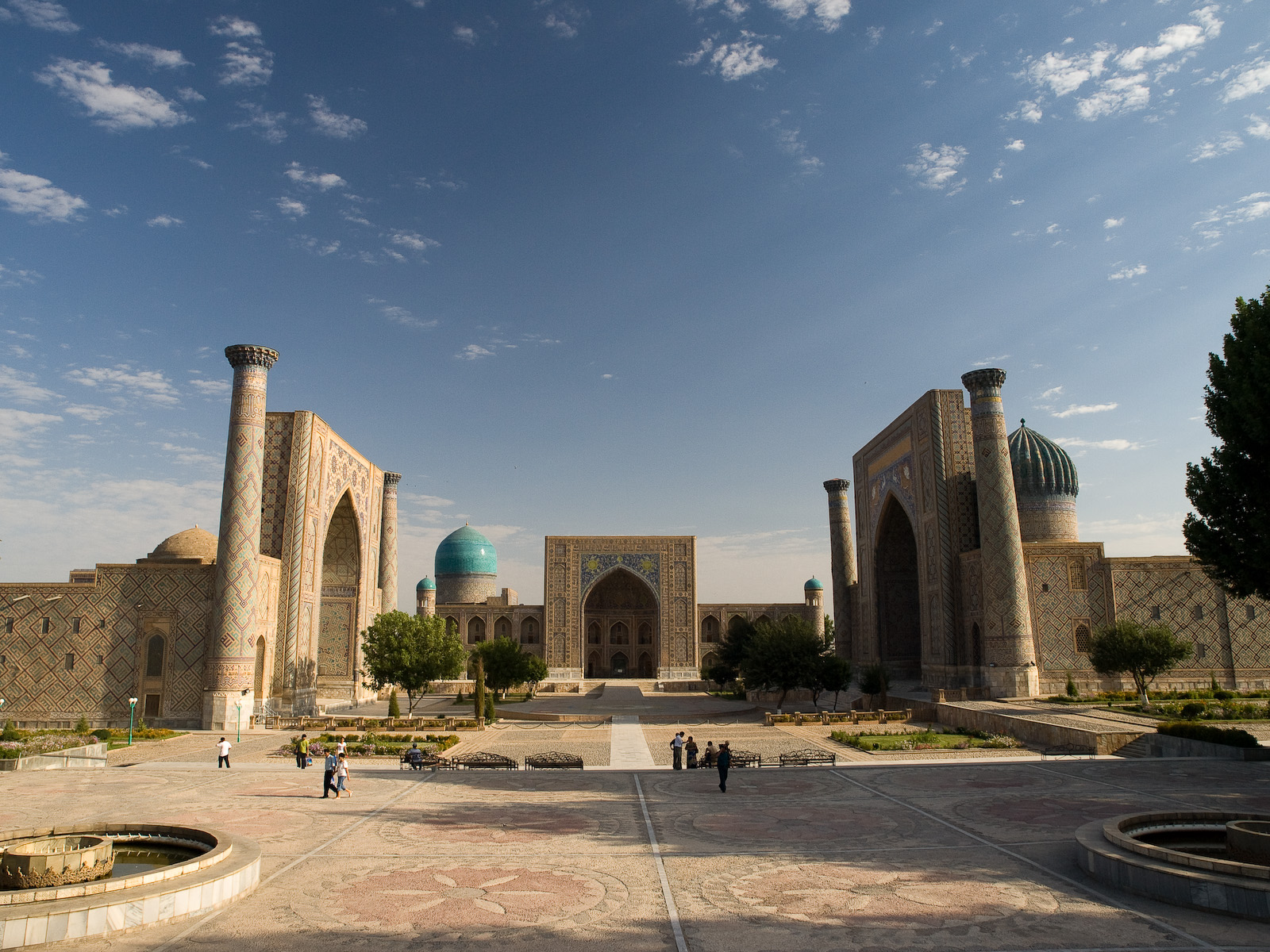
The World Summit on Investing in Children’s Wellbeing opened on 21 October in Samarkand, Uzbekistan, bringing together more than 600 participants from over 100 countries, UN News reported. The programme is listed as running on 21 and 22 October. Ministers, academics, civil society and business representatives, and children and adolescents attended.
According to UN News, the summit is organised by the Government of Uzbekistan with the Office of the UN Special Representative of the Secretary-General on Violence against Children, UNICEF, the World Health Organization and the World Bank.
A Warning on Progress
UN Secretary-General António Guterres sent a message, read out by UN Resident Coordinator Sabine Mahl, saying that “when we invest in children, we invest in the future”. He warned that progress is under threat from conflict, economic pressure, health emergencies, poverty and climate shocks, and noted that aid is declining.
UN General Assembly President Khalilur Rahman said only 36 per cent of assessable Sustainable Development Goal targets are on track or making moderate progress. He set out four priorities: putting children before process, building services and social protection around their needs, reaching those furthest behind, and matching promises with financing, responsibility and deadlines. He also called for child-centred approaches to artificial intelligence and other technologies.
Uzbekistan’s First Lady, Ziroat Mirziyoyeva, told delegates that experts expect deaths among children under five to rise in 2025 for the first time this century, which she called “a serious warning to us all”. She also noted that one billion children live in the countries most vulnerable to climate change.
Uzbekistan’s Figures and a Focus on Childhood Cancer
UN News cited figures from Ms Mahl and UNICEF on the host country: preschool enrolment has risen from 27 per cent in 2017 to 78 per cent in 2026, more than 10,000 children with disabilities attend mainstream schools, and about 1.5 million families receive social assistance. A 2025 law protects children from all forms of violence, and an action strategy covers 2026 to 2030.
The programme also includes the Second International Congress on Childhood Cancer, titled “From Cure to Wellbeing”. Citing the WHO, UN News said more than 80 per cent of children with cancer are cured in high-income countries, compared with below 30 per cent in many low- and middle-income countries. About 400,000 children and adolescents are diagnosed each year, and the WHO aims for a 60 per cent global survival rate by 2030. Mr Guterres called the gap “an unacceptable inequality driven by inadequate investment and weak social services”.
Why It Matters
Summits rarely change budgets on their own, but this one lands at a time when aid is shrinking and the 2030 development targets are slipping. Its emphasis on financing and deadlines, rather than new pledges in principle, is the test to watch. For host countries such as Uzbekistan, it also offers a platform to show how domestic investment in early learning and social protection can move national indicators, a case other middle-income states may study closely.



Leave a Reply