

This article is an opinion and analysis piece. It offers the magazine’s interpretation of a published UN warning and is not a forecast of harvests or prices.
UN News reported on 22 October that UN Trade and Development (UNCTAD) is warning that continued shipping disruption in the Strait of Hormuz and on key Red Sea routes is adding pressure to food supply chains, especially in developing countries. According to the report, the disruption is raising freight and fuel costs, and fertiliser prices have swung widely just ahead of planting seasons.
The Chain From Ship to Harvest
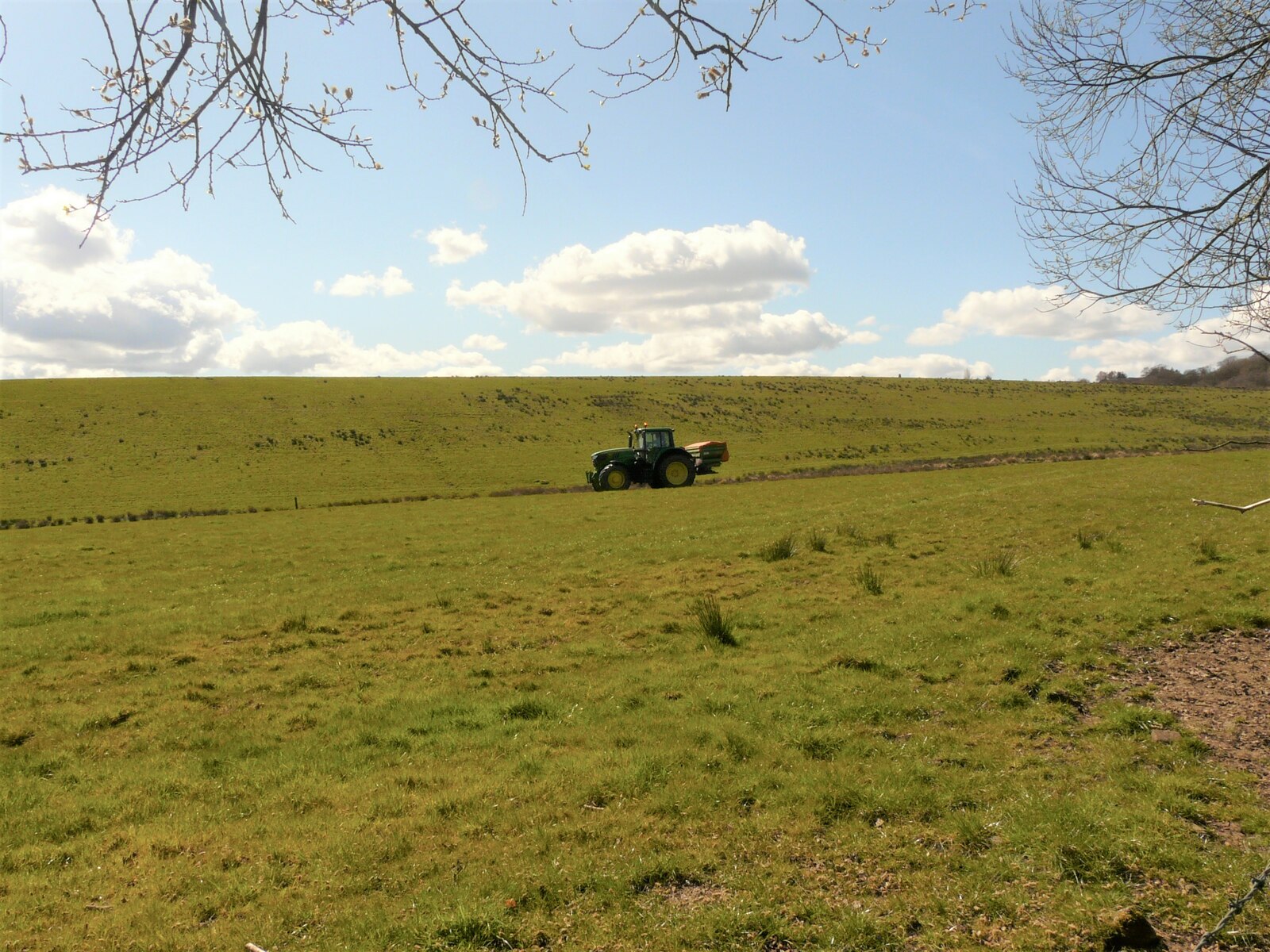
UNCTAD’s warning is brief. The UN News report quotes it as saying that “Higher costs could cut harvests, especially where farmers can’t afford enough fertilizer”. One way to read this, and it is our interpretation, is that farmers buy fertiliser before planting, so if freight, fuel and fertiliser all cost more at the same time, some may apply less, and a lower application can mean a smaller harvest.
Rodrigo Cárcamo, UNCTAD’s agriculture and commodities chief, told UN News that the volatility in fertiliser prices, combined with an extreme El Niño weather pattern, could push yields lower and deepen hunger worldwide. The report does not give production or price figures, so the scale of any effect remains an open question.
Reading the Warning Carefully
A cautious reader should note what the warning is and is not. It describes a risk, not an outcome. Harvests depend on rainfall, seed, soil and local prices as well as shipping, and fertiliser purchases are sensitive to government subsidy schemes and to stocks already held by farmers and traders. Some importing countries may be better cushioned than others, and the timing of planting seasons differs sharply between regions.
Even so, the argument deserves attention because it links two policy areas that are usually handled by different ministries: maritime security and trade on one side, agriculture and social protection on the other. In our view, countries that import most of their fertiliser and fuel have little room to absorb a cost shock, and the farmers with the least capacity to absorb higher costs are likely to be the most exposed.
Why It Matters
If the warning proves well founded, the effects would show up months from now, in harvests and market prices, long after the shipping headlines have faded. That delay argues for early, practical preparation: transparent information on fertiliser stocks, targeted support for the poorest farmers and closer coordination between trade, transport and agriculture authorities. For import-dependent developing economies, the episode is a reminder that food security rests on open shipping lanes as much as on fields and rainfall.



Leave a Reply