

The United Nations Environment Programme (UNEP) says global temperature rise is set to exceed 1.5°C above pre-industrial levels, and it is urging governments to cut emissions sharply so that the overshoot is limited and temperatures return below that threshold by the end of the century. The finding comes from the Emissions Gap Report 2026: The Point of Return, which UNEP published on 21 October 2026, according to UN News.
What the report sets out
As described by UN News, the lowest-overshoot scenario would hold peak warming, reached around mid-century, to between 1.7°C and 1.8°C. Getting there would require emissions, measured against 2025 levels, to fall by 18 per cent by the end of this decade, 45 per cent by 2035 and 69 per cent by 2040. It also sets fossil-fuel benchmarks: compared with 2025, the shares of coal, oil and gas in total energy supply would need to fall by at least 55, 15 and 5 per cent respectively by 2035.
The outlook on current trajectories is less favourable. The report projects that existing policies could lead to warming of 2.8°C this century, with further increases afterwards. If all national climate pledges under the Paris Agreement, known as nationally determined contributions, were delivered and similar efforts continued, warming would be limited to 2.6°C. The report says these projections are worse than last year’s, citing the withdrawal of the United States from the climate agreement and revised estimates of historical emissions. It adds that the new pledges submitted since the previous report have hardly made a difference.
Messages from the UN
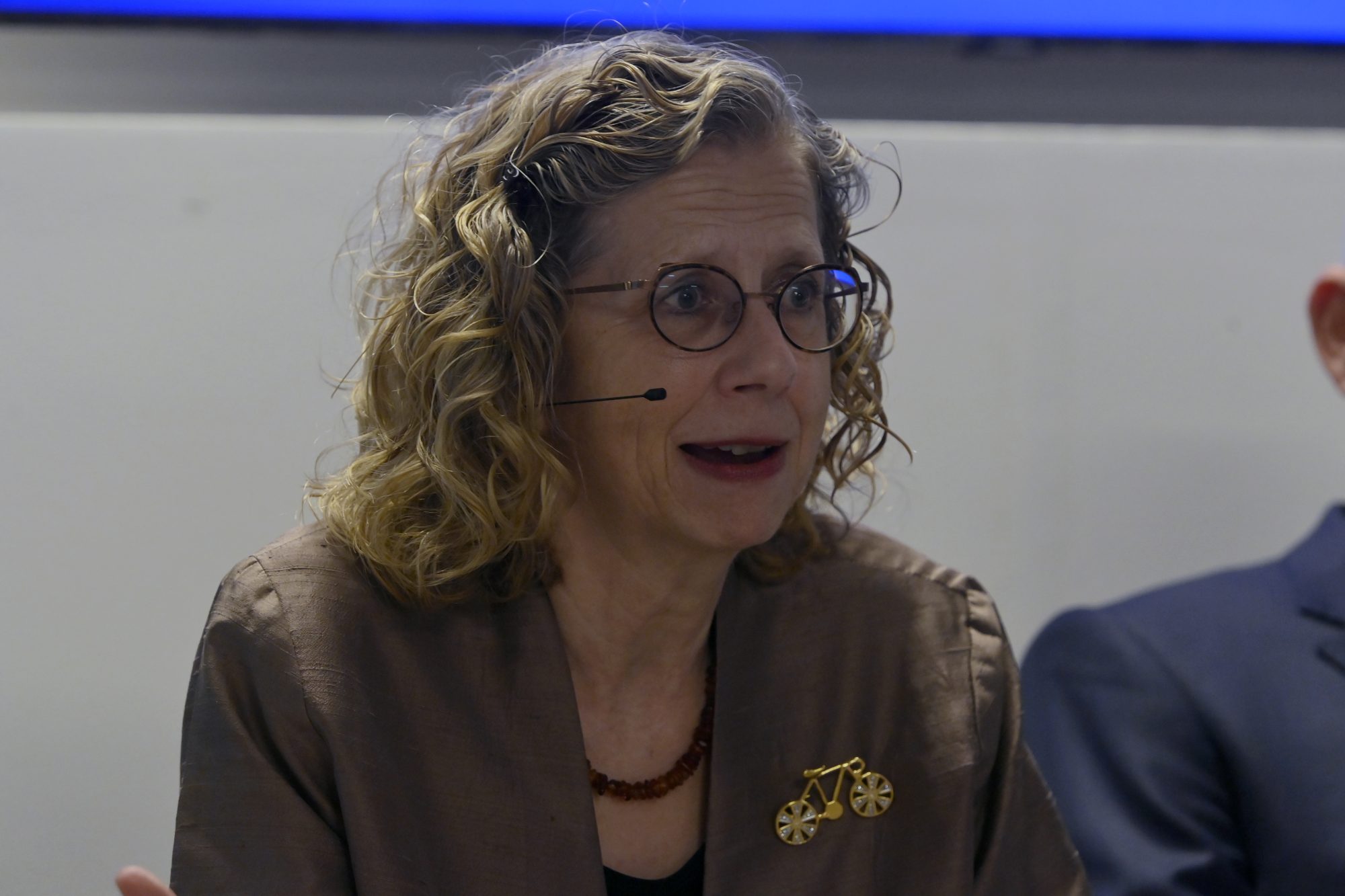
UN Secretary-General António Guterres, in a message accompanying the report, said: “Overshoot is not surrender.” He said the overshoot must be kept as small and as short as possible, and that temperatures can still be brought back below 1.5°C by the end of the century. UNEP Executive Director Inger Andersen warned that each additional fraction of a degree, and each extra year above 1.5°C, raises climate impacts and risks, pointing to this year’s deadly floods, heatwaves and wildfires. She said a return to 1.5°C by the end of the century is possible.
The report also says there are more opportunities than ever to step up action. Since the 2015 Paris Agreement, it notes, renewable energy has boomed, coal and oil supply has grown more slowly than projected, and climate policies have cut emissions in many places.
Why It Matters
The report shifts the question from whether 1.5°C can be held to how large and how long an overshoot would be, and it ties the answer to the pace of cuts over the next decade. The second Global Stocktake is due to begin in November at the COP31 climate conference in Antalya, Türkiye, and the report suggests extending quantified goals to 2035 and 2040. For negotiators it offers a yardstick for judging new pledges, and its finding that recent pledges have done little to change the projected path puts pressure on governments to arrive with stronger commitments.



Leave a Reply