

Two United Nations bodies have called for immediate help for communities already affected by an El Niño that may prove the strongest on record, according to UN News on 21 October 2026. The appeal came from the World Meteorological Organization (WMO) and the UN’s emergency relief chief, Tom Fletcher.
What forecasters expect
WMO Secretary-General Celeste Saulo said the event could be unprecedented in strength and is expected to peak towards the end of 2026, with impacts lasting beyond that. According to UN News, the WMO’s latest Global Seasonal Climate Update indicates that sea surface temperatures in the tropical Pacific may rise to 3.8°C above average between November 2026 and January 2027. The WMO issues an El Niño alert at just 0.5°C above normal. Saulo said earlier El Niños linked to anomalies of around 3°C had substantial global impacts, but that this one lies beyond the WMO’s records and statistics. She stressed that forecasts and early warnings can save lives and protect livelihoods.
The humanitarian picture
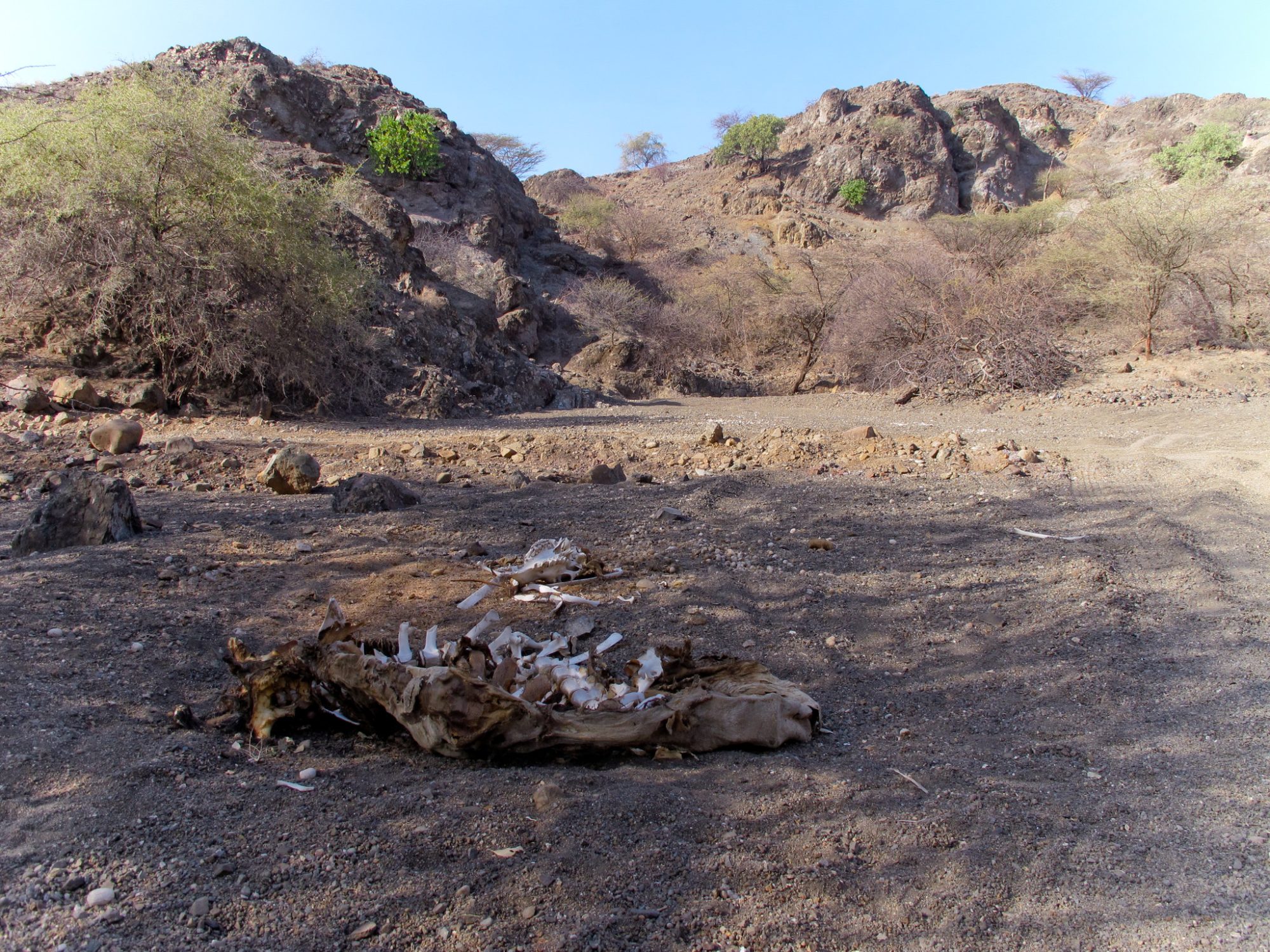
Fletcher described the event as a “behemoth” and said it is likely to bring extreme heat, drought and floods to Latin America, eastern and southern Africa, Asia and the Pacific. He said the next two weeks are critical. Somalia, Ethiopia and Kenya need funding and emergency supplies in place before heavy rains arrive, southern Africa needs seeds and livestock protection, Central America needs immediate livelihood support, and Asia and the Pacific must prepare for droughts, floods and cyclones.
Fletcher said some 50 million people could face increased hunger. He cited an African Development Bank estimate that El Niño will cost African countries between $10 billion and $20 billion and reduce their GDP by 1 to 2 per cent. He announced that more than $50 million has been released from the UN’s Central Emergency Response Fund to help 11 countries on the front line, including Chad, El Salvador, Ethiopia, Somalia and South Sudan. The effects, he said, will last months or potentially years.
Preparing in advance
The report also points to examples of preparation. In Chile, the UN Development Programme helped build flood barriers in Antofagasta to hold back mud and debris. In Yemen, where more than four million people are displaced, many on flood-prone land, UN agencies and partners backed community-led defences including a 2.5-kilometre flood diversion channel in the Al-Hazm district.
Why It Matters
The appeal is aimed at protecting the most vulnerable people before the worst of the El Niño arrives, and its central message, as reported, is about timing: Fletcher said the next two weeks are critical for getting funding and supplies in place in East Africa. If the WMO’s forecast holds, the effects would span several continents and last well beyond the peak, adding to the strains that UN News reports are already being placed on the humanitarian system. The Chile and Yemen examples show that practical preparation at community level is possible, and Saulo’s point about early warnings underlines that forecasts only save lives when they lead to action on the ground.



Leave a Reply