

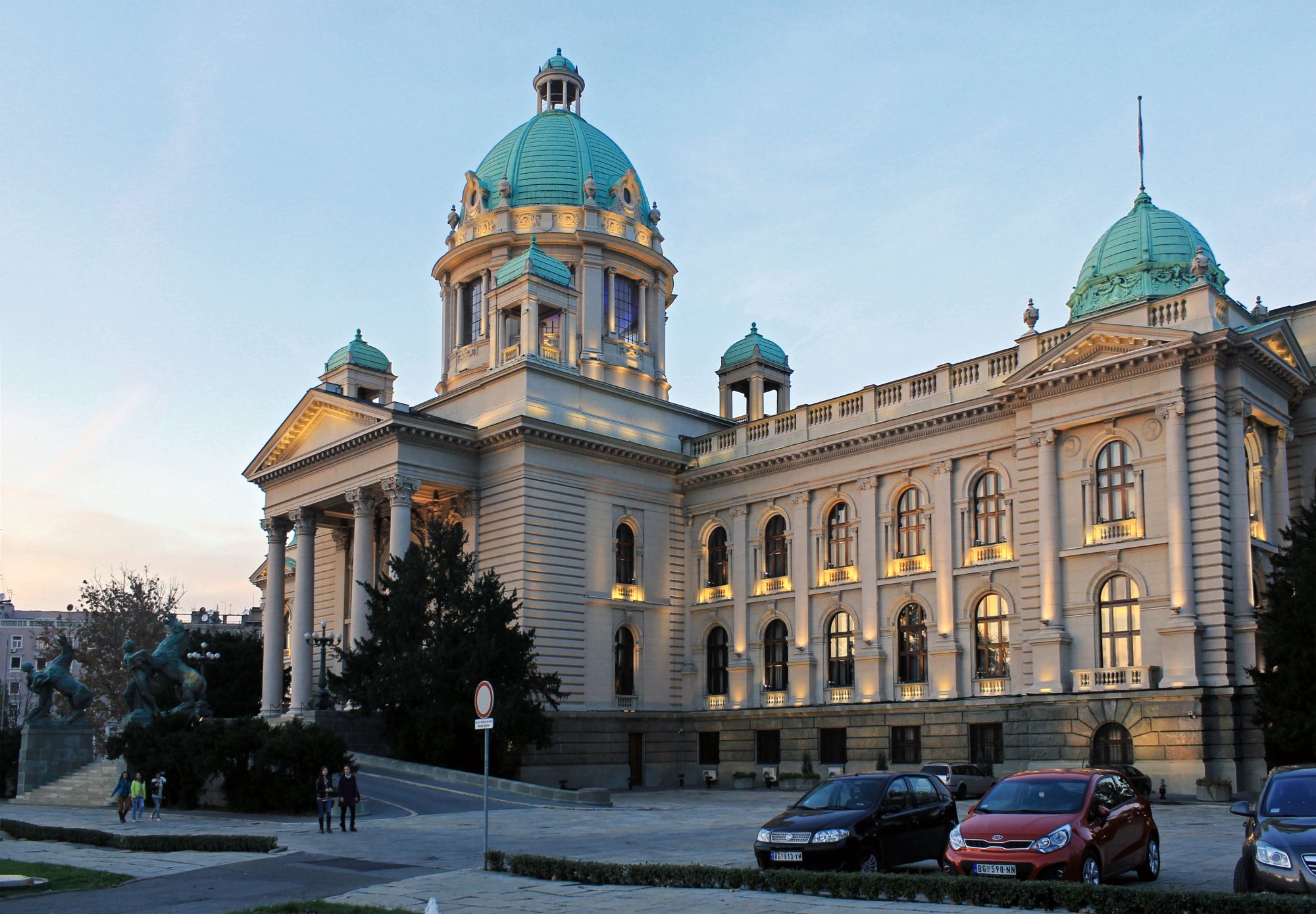
Serbians voted on Sunday 25 October in a snap parliamentary election, with the State Election Commission reporting turnout of 64.9 per cent by 17:00 GMT, according to Al Jazeera. The broadcaster described that as the highest turnout since the breakup of Yugoslavia in 1992. Polls closed at 8pm local time, and the report says first results were expected a few hours later. No results had been published in the source at the time of writing, so nothing below should be read as an outcome. This report reflects the situation on election day, 25 October.
What Voters Were Deciding
About 6.5 million people were eligible to choose the 250 members of the National Assembly, with 18 electoral lists competing, Al Jazeera reports. A majority of 126 seats is needed to form a government. The vote will determine whether the Serbian Progressive Party (SNS), which has been in power since 2012, can retain power. Aleksandar Vučić resigned as president in September to run for prime minister, the report says.
The main challenger described by Al Jazeera is a list called Students Win, which grew out of protests that began after the November 2024 collapse of a canopy at Novi Sad railway station, in which 16 people died. Its candidates come from professions including medicine and education, and many have no previous political experience. Some established opposition parties backed the students rather than fielding their own candidates. The students campaign for stronger institutions and an end to corruption. Mr Vučić and the SNS deny accusations of corruption and repression, and he promised higher pensions, public-sector wages and investment during the campaign. The report adds that supporters credit his rule with modernising the economy.
Monitors’ Reports and Security
Two independent monitoring groups reported concerns during the day. CRTA said its observers recorded pressure on voters or election workers at almost a third of the 500 polling stations it monitored, and also reported failures to protect ballot secrecy. CeSID said it had received about 260 reports of potential irregularities by 16:00 GMT, including ballot photography, group voting and difficulties with identification checks. These are the monitors’ own reports; the source does not say how the election commission or the authorities responded to them.
In Belgrade, police wearing riot helmets and carrying shields were deployed near the election commission’s headquarters, where roads were closed and barricades erected. City prosecutors appealed for everyone involved to avoid violence, according to Al Jazeera.
Why It Matters
High turnout does not by itself show which side gained support, as the source itself notes. Jelena Vasiljević, a University of Belgrade researcher, told Al Jazeera that the SNS has a reliable voter base while the students need to draw in people who normally do not vote. The official count, any challenges to it and the monitors’ final assessments will determine how the result is received. Readers should wait for the commission’s published figures before drawing conclusions about who won.



Leave a Reply