

This article is an opinion and analysis piece. The facts are attributed to the source named; the “meaning” section is the magazine’s reading of what those facts imply, not new reporting.
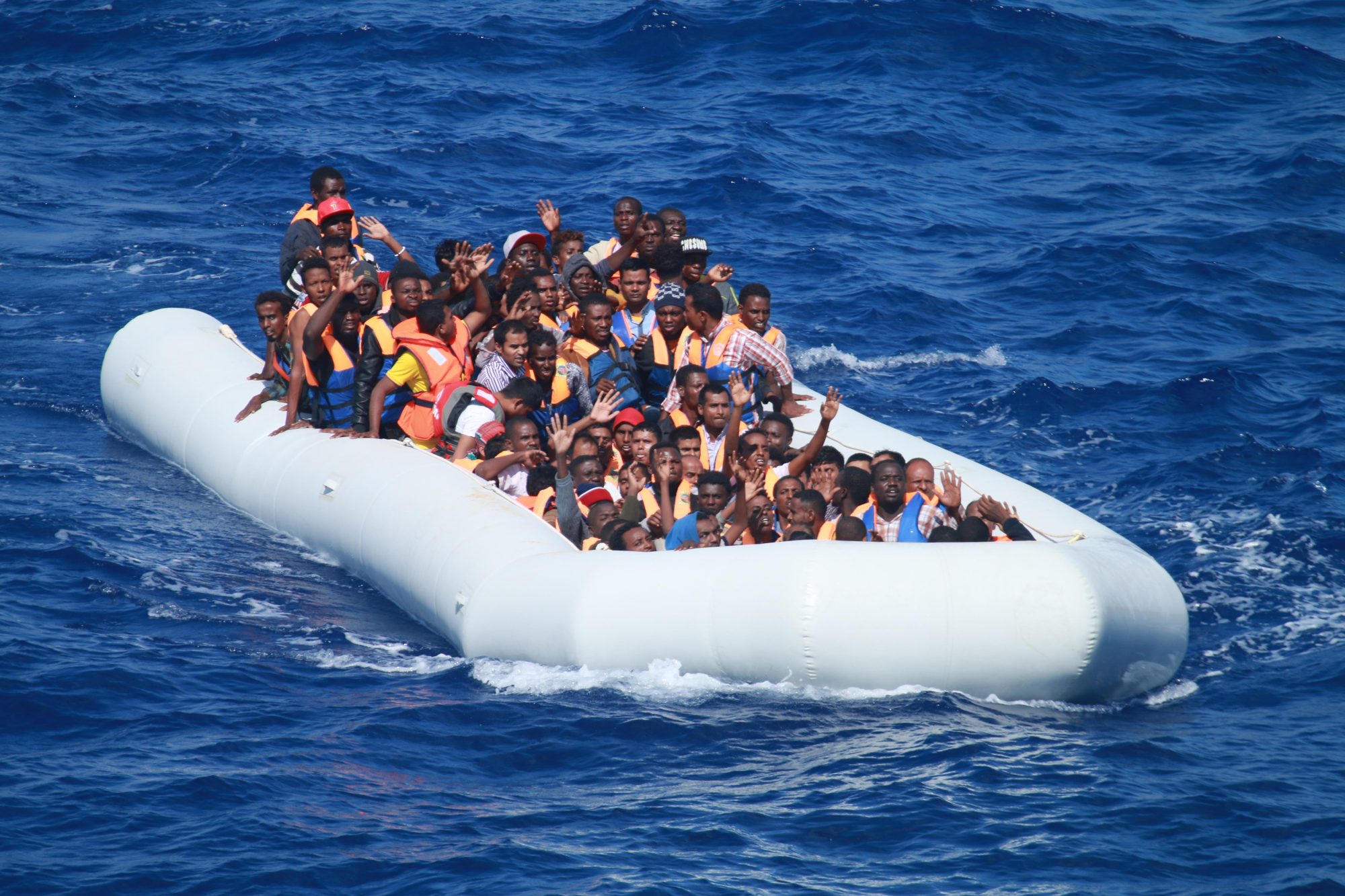
On Wednesday 21 October, according to UN News, the UN Office on Drugs and Crime (UNODC) and the International Organization for Migration (IOM) released new figures on smuggling on sea routes to Europe in 2025. UNODC estimates that migrants paid smugglers between $388 million and $509 million in total. It puts the number of people smuggled across the four main sea routes at roughly 190,000 to 209,000.
What the Figures Show
By UNODC’s estimates, the Central Mediterranean was the busiest route, with 84,000 to 100,400 people smuggled, followed by the Eastern Mediterranean (48,400 to 51,300), the Northwest African Atlantic route to Spain’s Canary Islands (33,000) and the Western Mediterranean (24,500).
Prices varied sharply. In an IOM survey, almost half of the migrants trying to reach Italy or Malta from North Africa or Türkiye reported paying more than $7,500 each, while on the Northwest African Atlantic route smugglers received as little as $170 per person. The report also says 3,404 people who departed on these sea routes in 2025 died or were reported missing, and 104,200 were intercepted at sea and returned. UNODC said that “perpetrators commit smuggling offences to make a profit”, and stressed that not everyone attempting irregular entry by sea is smuggled.
A Reading of the Numbers
These are estimates, and the UN News report offers no policy recommendations, so what follows is our interpretation. Simple arithmetic on the reported ranges, which is ours and not a UN figure, suggests an average payment of roughly $1,900 to $2,700 per smuggled person. The wide spread between $170 and more than $7,500 points to very different markets: some routes look considerably cheaper than others.
That matters because the figures put a price on a business model. If most departures are smuggled, as UNODC’s route-by-route estimates, which range from 57 to 90 per cent, suggest, then enforcement that focuses only on interception, with 104,200 people returned at sea, addresses the end of the chain rather than the profit. At the same time, the report stresses that not all irregular arrivals are smuggled, so policies aimed at networks will not capture everyone who crosses. Governments weighing tougher border controls, safe legal routes or action against smuggling finance could each find support here, and the data alone do not settle that argument.
Why It Matters
A total of up to roughly half a billion dollars gives policymakers a measure of the money flowing to smugglers, and the 3,404 deaths and disappearances show the human cost. In our view, the more useful lesson is the variation between routes: a single European response is unlikely to fit an Atlantic route where fees can be as little as $170 and the routes towards Italy and Malta, where almost half of the migrants surveyed by IOM reported paying more than $7,500. Readers should treat the figures as estimates.



Leave a Reply