
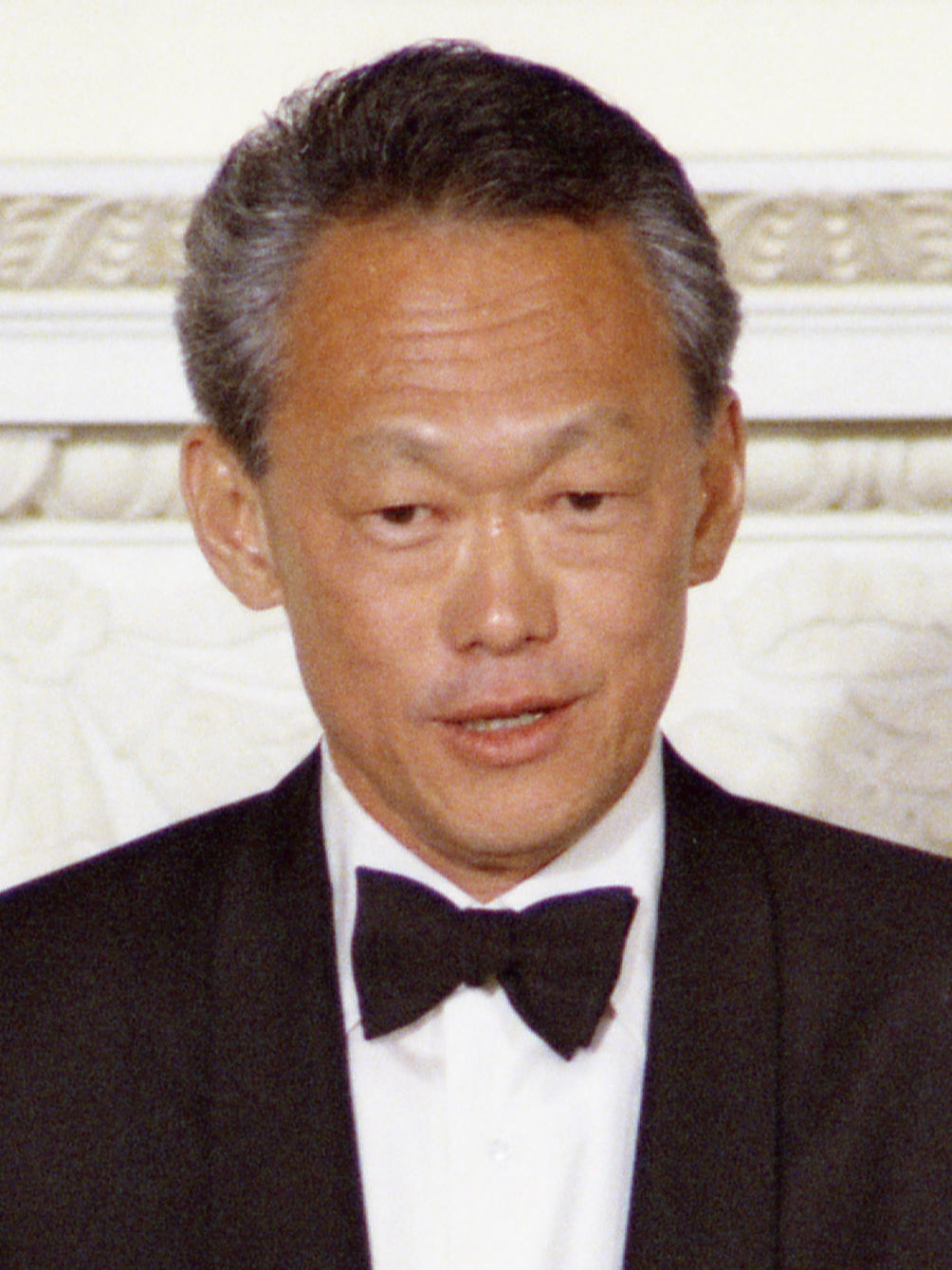
Lee Kuan Yew served as Singapore’s founding Prime Minister for thirty-one consecutive years, the longest tenure of any prime minister in Singapore’s history. When Singapore separated from Malaysia in 1965, it had no natural resources and few obvious advantages. By the time of Lee’s death in 2015, it ranked among the wealthiest nations in the world by per-capita income.
The Priorities He Built On
His government placed heavy weight on education, attracting investment and national security. His government pursued each with what observers have called technocratic intensity — most notably through a meritocratic civil service that paid officials salaries comparable to the private sector, a deliberate strategy to attract high-calibre talent into government and reduce the incentive for corruption.
The results are frequently cited as close to unmatched: one of the world’s lowest levels of corruption, benchmark-standard infrastructure, and a legal and financial system that helped explain why, in the Council on Foreign Relations’ words, Singapore “has long punched way above its weight on the world stage”.
The Part Of The Model That Remains Contested
That success came with a governing style that was, by Lee’s own design, tightly controlled. Analysts including the CFR’s Karen Brooks have noted his paternalistic approach “often translated into a considerable suppression of democratic freedoms,” with limited room for adversarial politics or a fully free press. Whether Singapore’s system can adapt and endure without Lee’s direct oversight — or whether it was too closely bound to him personally — remains an open question raised repeatedly by scholars in the years since his death.
Key Insights
- Lee Kuan Yew served as Singapore’s Prime Minister for 31 consecutive years, from 1959 to 1990.
- His government placed heavy weight on education, attracting investment and national security.
- Singapore’s civil service pays officials at rates comparable to the private sector, a deliberate anti-corruption and talent-retention strategy.
- His governing style involved significant restriction of democratic freedoms and press freedom — a persistently debated part of his legacy.



Leave a Reply