

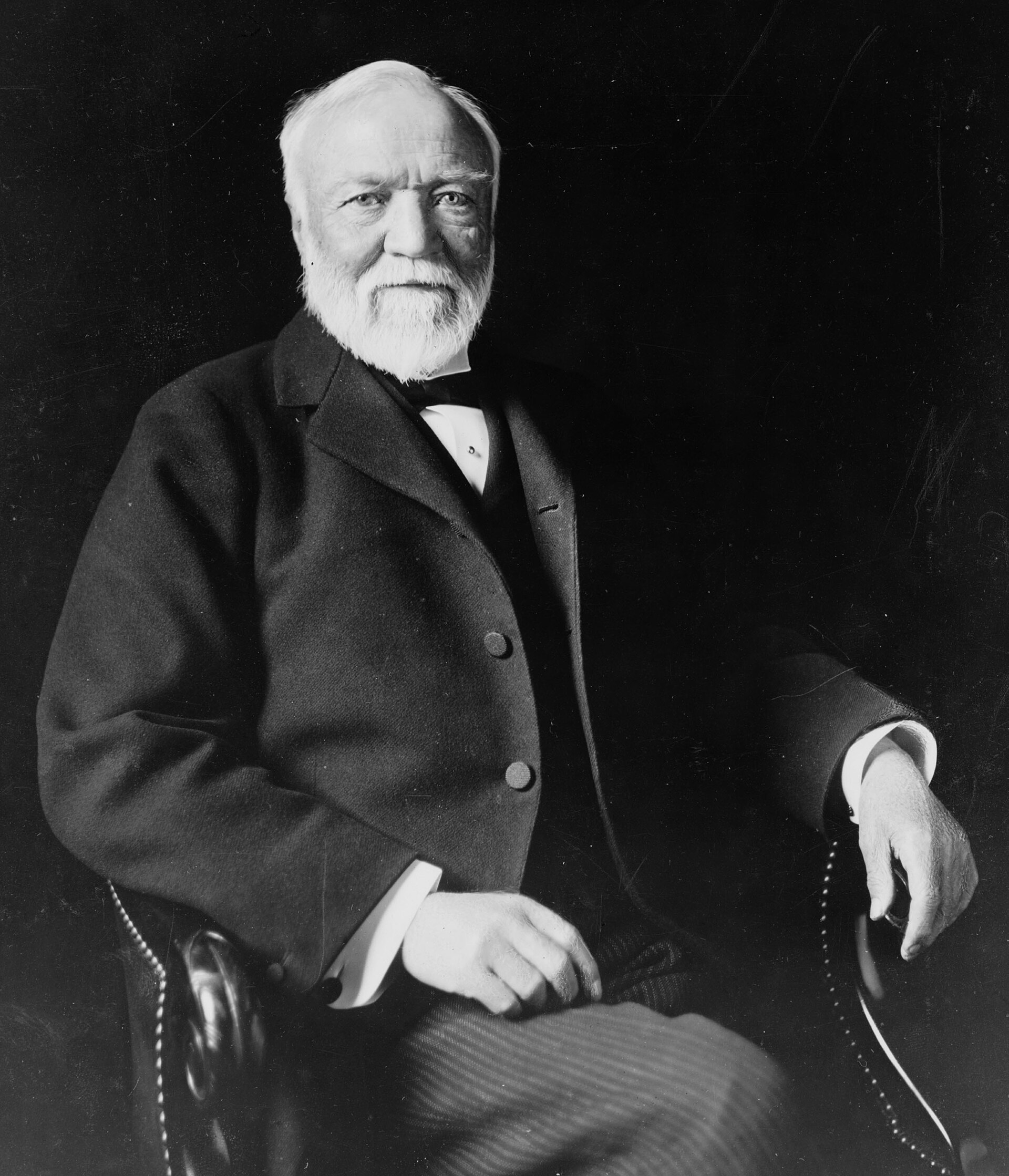
It would be easy to dismiss Andrew Carnegie’s Gospel of Wealth as hypocrisy dressed up as philosophy. This is, after all, a man whose steel fortune was built partly on the back of the 1892 Homestead Strike, where his business partner Henry Clay Frick hired Pinkerton detectives who engaged striking workers in a gun battle that left ten people dead. Three years earlier, in 1889, Carnegie had written about the moral responsibilities of the rich.
That Contradiction Is The Point, Not A Flaw In The Argument
But dismissing the Gospel of Wealth on the grounds of its author’s contradictions misses what actually made it durable. Carnegie’s core claim — that “the man who dies thus rich dies disgraced” — doesn’t require its author to have been consistently virtuous to remain a useful standard. If anything, the fact that even a man capable of Homestead-level ruthlessness felt compelled to argue publicly that the rich should give their surplus wealth away, and then gave away roughly 90% of his own fortune says something about how strong the social expectation of stewardship had become by the late nineteenth century — an expectation modern wealth-holders, in an era of enormous concentrations of capital, have arguably let atrophy.
What Modern Philanthropy Still Gets From Him
The mechanics Carnegie pioneered — funding institutions rather than individuals, treating philanthropy as a serious enterprise requiring strategy and measurable impact rather than charity requiring only generosity — remain the operating logic of major foundations today. Andrew Carnegie Foundation president Dame Louise Richardson (the foundation was known as Carnegie Corporation of New York until June 2026) has said as much directly, writing that the Gospel of Wealth “is as relevant today as the day it was written more than 130 years ago.”
The uncomfortable lesson isn’t that Carnegie was admirable. It’s that his framework worked precisely because it didn’t require moral perfection from the wealthy — only a public commitment to give the surplus back, measured against a legible standard. That’s a lower, more achievable bar than most modern conversations about billionaire philanthropy tend to set, and arguably a more useful one.
Key Insights
- This is an Opinion piece — argument and interpretation, not a neutral historical account.
- Carnegie’s philanthropy and his business practices, including the violent 1892 Homestead Strike, sit in direct tension.
- Carnegie’s core contribution to philanthropy was treating it as a strategic enterprise, not ad hoc charity.
- The Andrew Carnegie Foundation (formerly Carnegie Corporation of New York) continues to describe his Gospel of Wealth as relevant today.



Leave a Reply