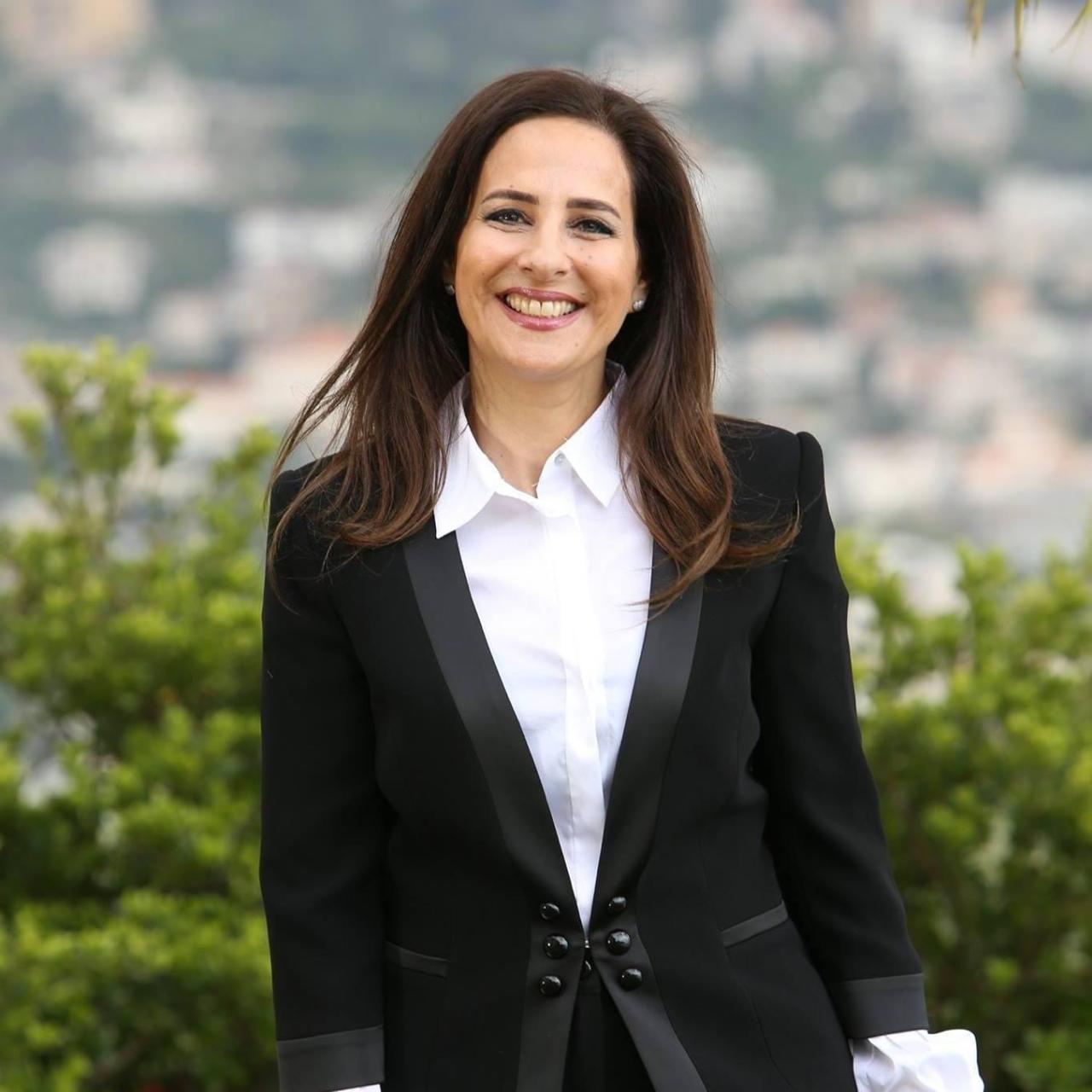
Patricia Elias is an international lawyer, former UN Women Senior Advisor, women’s rights advocate, Senior Gender Expert with over 25 years of experience advancing gender equality, women’s leadership, the WPS agenda, and ending violence against women. she has led high-level advocacy with governments, UN entities, and world leaders, expanding support for a new international treaty from 4 to 18 countries and growing a global coalition to over 4,000 NGOs and activists across 169 countries. She is recognized for strategic diplomacy, global movement-building, and legal reform.A humanitarian at heart, she built an orphanage in Cameroon and worked with street children in Gabon. Awarded the French Medal of Associative Commitment, she is currently G100 Global Chair for Government and Ministerial Advocacy and the initiator of the global “No Peace Without Women” petition, launched at the United Nations and the French Senate to advance women’s leadership in peacebuilding
Leadership is not measured by the power we hold, but by the lives we change, the doors we open for others, and the courage to leave the world more just, peaceful, and equal than we found it. I truly believe that women are the bright future of Humanity.
From your first law lecture at seventeen to leading a coalition of 4,000 organisations across 169 countries — what has that journey looked like?
My leadership journey began at seventeen, during my first law lecture, when I discovered that women had fewer rights because they were born female. That moment shaped my life’s purpose: to transform injustice into equality.Over the past 25 years, my leadership has evolved from advocating for legal reform to leading global movements for human rights, gender equality, and peace. I have worked with governments, the United Nations, civil society, and grassroots communities to strengthen institutions, reform laws, empower women leaders, and build international coalitions. As Chief of Global Diplomatic Campaign, I expanded a global coalition to more than 4,000 organizations across 169 countries and increased state support for stronger international protections for women. Today, through “No Peace Without Women,” I am mobilizing governments and global civil society to place women at the heart of peacebuilding.Leadership is not about authority; it is about service, courage, integrity, and inspiring others to create lasting change
What impact are you proudest of, from Cameroon to the UN?
Throughout my career, I have worked to create lasting systemic change by transforming laws, institutions, and global policies while empowering people to become agents of change themselves. In Cameroon, I built a sustainable orphanage; in Gabon, a safe shelter for street children; in Lebanon, I contributed to the creation of the first Ministry for Women’s Affairs. Through UN Women, I strengthened governance, advanced the Women, Peace and Security agenda, trained more than 500 judges and lawyers, and empowered women leaders in fragile and conflict-affected contexts. As Chief of Global Diplomatic Campaign, I expanded a global coalition from 1,900 organizations in 144 countries to over 4,000 in 169 countries and increased state support for a new international treaty from four to eighteen countries. Today, through “No Peace Without Women,” I am working to influence global peace policy by placing women at the center of peacebuilding, creating structural change that can benefit future generations
What do you consider your greatest achievement?
My greatest achievement has been proving that one person’s conviction can become a global movement. What began as a promise I made to myself at seventeen, to change the laws that discriminated against women, has evolved into a lifetime of building institutions, changing policies, empowering leaders, and mobilizing thousands of organizations and governments around a shared vision of justice and peace. From helping vulnerable children in Africa rebuild their lives, to advancing legal reforms in Lebanon, to strengthening the Women, Peace and Security agenda through UN Women, to leading a coalition of more than 4,000 organizations across 169 countries, my work has always sought lasting systemic change. Today, through “No Peace Without Women,” I am working to ensure that women’s leadership becomes a cornerstone of global peacebuilding, creating a legacy that will shape international policy and future generations.
What makes your leadership distinct in the world of international advocacy?
What makes my leadership meaningful is my ability to transform vision into lasting systemic change. I work at every level — from grassroots communities to the United Nations, bridging humanitarian action, legal reform, diplomacy, and global advocacy. I believe that real leadership is measured not by influence, but by the opportunities it creates for others.
Throughout my career, I have built movements, strengthened institutions, changed laws, and united governments, international organizations, and civil society around shared goals. Whether building an orphanage in Cameroon, advancing women’s rights in Lebanon, leading global campaigns to end violence against women, or launching “No Peace Without Women,” my focus has always been on creating sustainable impact rather than short-term success.
I lead with ethics, integrity, empathy, and perseverance, believing that the most powerful leaders do not simply respond to today’s challenges — they reshape the systems that will determine the lives of future generations.
What’s your advice for the next generation of women leaders?
My advice to future women leaders is simple: never let anyone define the limits of your potential. Leadership is not about titles or power; it is about having the courage to challenge injustice, the resilience to persevere through adversity, and the integrity to remain true to your values.
Invest in knowledge — expertise gives you credibility; invest in relationships: trust and collaboration create lasting change. Most importantly, invest in other women. Leadership is not about reaching the top alone. It is about opening doors, building bridges, and ensuring others can rise with you.
Think big. Every barrier that fell, and every movement that transformed society began with someone who believed change was possible.
Lead with purpose, compassion, and determination. The world does not need women who adapt to broken systems. It needs courageous women who will reshape them and leave a legacy of justice, equality, peace, and hope for future generations.