

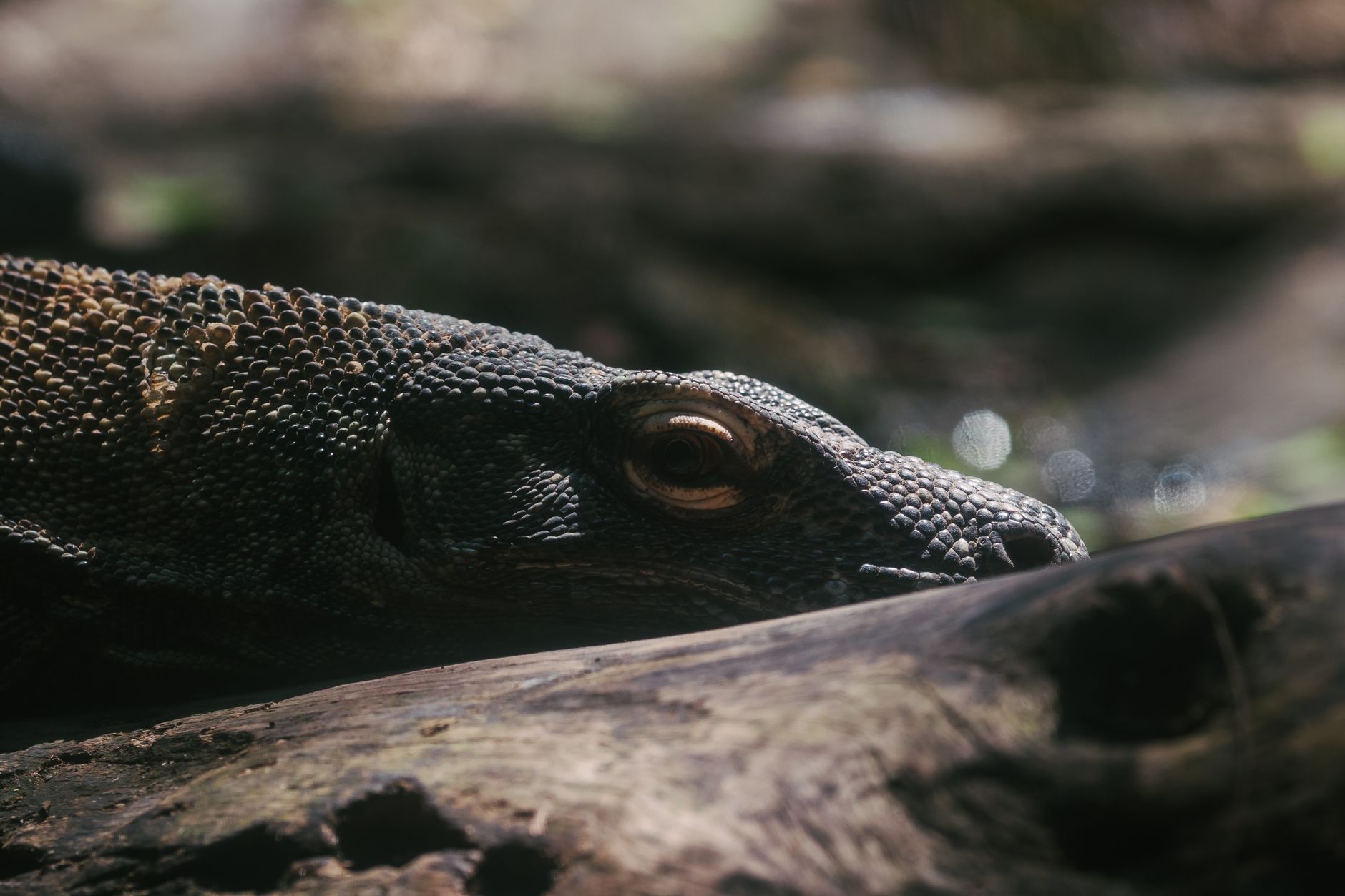
Komodo National Park in Indonesia has made permanent a park-wide cap of 1,000 visitors a day, split across its main sites: 350 on Komodo Island, 300 on Rinca Island, 200 on Padar Island and 150 at Manta Point and Taka Makassar. The quota system, along with a restructured fee schedule, became mandatory from 1 April 2026 and remains in force, part of a UNESCO World Heritage-listed park’s effort to protect its ecosystem and the endangered Komodo dragon from growing tourist numbers.
Alongside the cap, the park has scrapped walk-in ticket sales entirely. All visitors must now book in advance through SiOra, an online reservation system, with tour operators required to secure confirmed slots for clients rather than allowing travellers to register on arrival. Foreign visitors pay a daily park fee of around IDR 250,000 (about USD 15.50), plus separate ranger and trekking fees of IDR 150,000-200,000 per group of up to five people, while Indonesian citizens pay a nominal IDR 5,000 a day.
A more drastic plan was shelved
The changes are notably less severe than proposals floated in recent years. A premium annual membership priced around USD 1,000 was discussed and rejected, and an earlier Conservation and Tourism Management levy of roughly IDR 3.75 million (about USD 250) per person, first proposed in 2022, was cancelled before it was ever charged to visitors. Instead, park authorities settled on the current daily quota and fee structure as a middle path between unrestricted access and the steep premium pricing that had drawn criticism from tour operators and conservationists alike.
Why it matters
Komodo National Park is one of the clearest test cases for how a destination manages the tension between conservation and tourism revenue when the species at risk, the Komodo dragon, is also the main draw. By settling on a numeric cap and mandatory booking rather than pricing out all but the wealthiest visitors, Indonesia has chosen a model that keeps the park broadly accessible while still limiting daily footfall, an approach other biodiversity-rich destinations weighing similar overtourism pressures are likely to watch closely.



Leave a Reply