

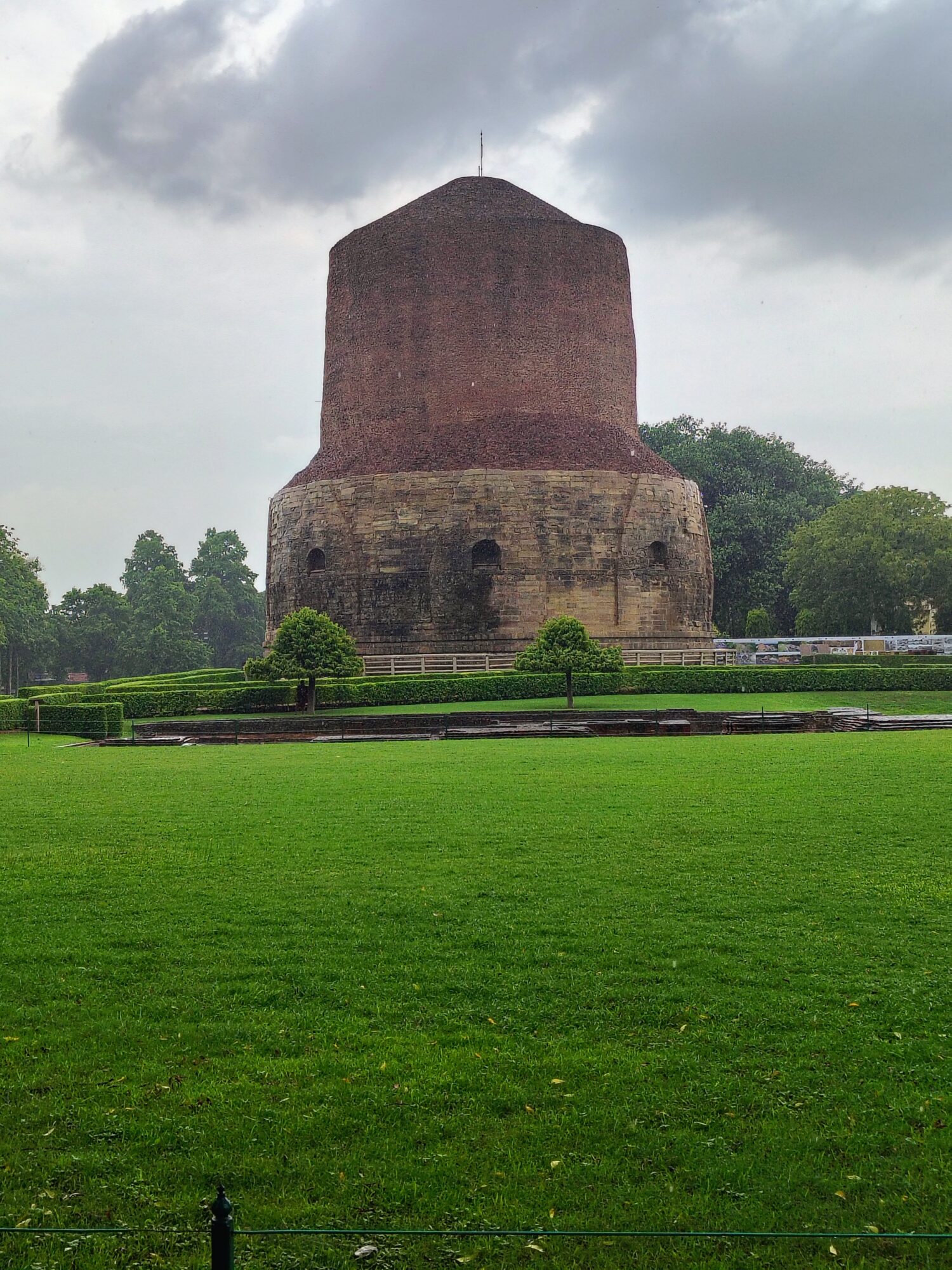
The Ancient Buddhist Site of Sarnath, where tradition holds that the Buddha delivered his first sermon after attaining enlightenment, has been inscribed on the UNESCO World Heritage List. The decision was taken on 25 July 2026 during the 48th session of the World Heritage Committee, held in Busan, Republic of Korea, according to UNESCO.
A place of pilgrimage for 2,500 years
Sarnath, on the outskirts of Varanasi in the Indian state of Uttar Pradesh, comprises two protected archaeological areas known together as Deer Park: the Chaukhandi Stupa and the wider archaeological remains that include the Dhamek Stupa and the Dharmarajika Stupa. According to UNESCO, the site preserves architectural and archaeological remains spanning more than 2,500 years, built up over centuries by successive rulers and monastic communities who established it as one of Buddhism’s key pilgrimage destinations worldwide.
“For more than 2,500 years, Sarnath has been a place of pilgrimage and inspiration for Buddhists around the world,” said Tim Curtis, director of the UNESCO Regional Office, in the organisation’s announcement of the inscription.
India’s 45th World Heritage property
The inscription brings India’s total to 45 World Heritage Sites and adds to a broader list that, following the 48th session, now includes 1,248 properties across 170 countries, UNESCO said. Sarnath had sat on India’s tentative list for 28 years before its nomination succeeded this year, a reminder that formal recognition can lag many years behind a site’s actual historical importance.
Why It Matters
World Heritage status brings more than recognition: it carries conservation obligations, access to international technical support, and often a rise in visitor interest that can support the local economy around a site. For a location central to a faith followed by hundreds of millions of people worldwide, formal protection also offers a safeguard against the pressures of urban growth on the edge of one of India’s busiest pilgrimage cities.



Leave a Reply