

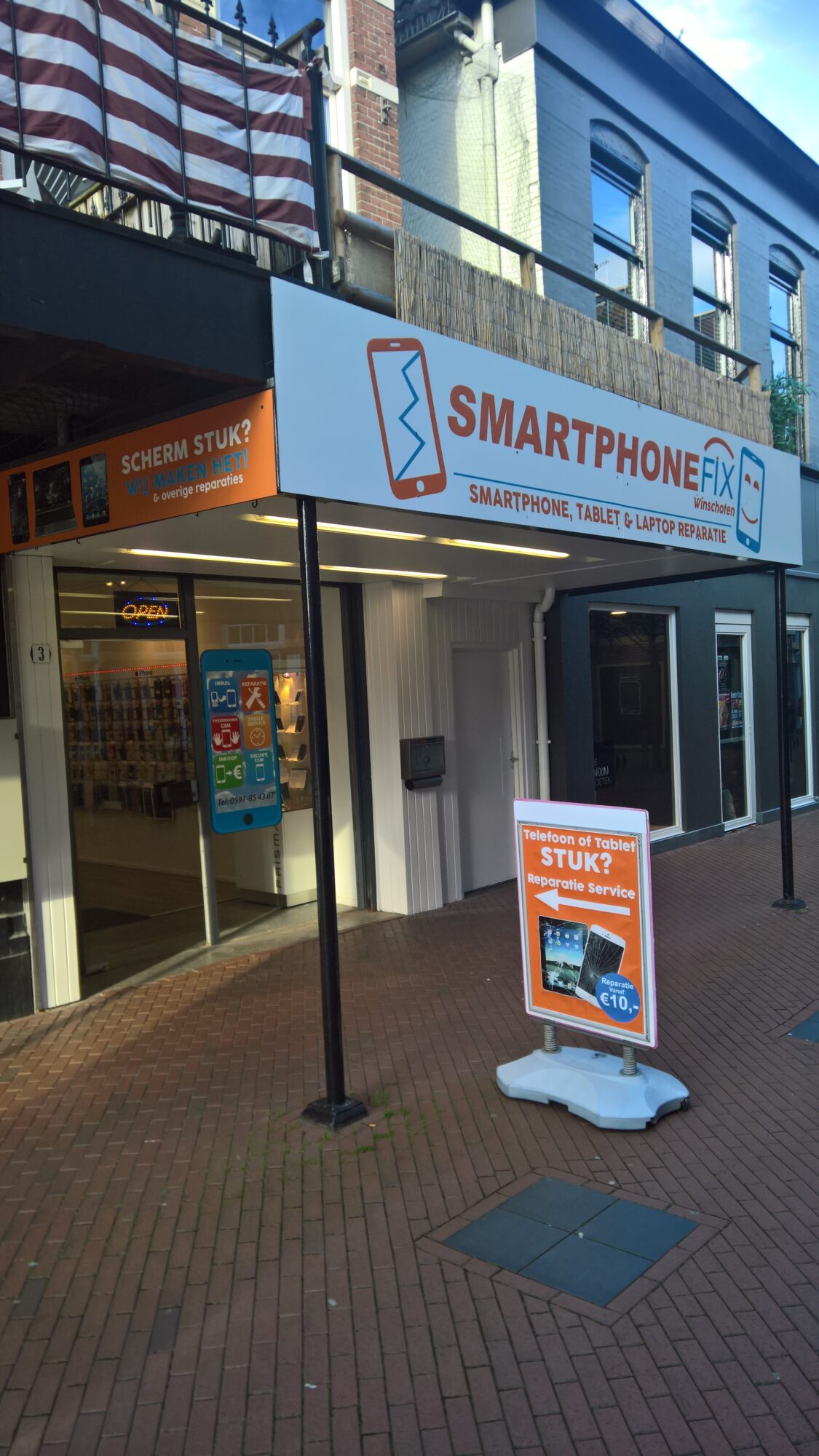
New European Union consumer protection rules giving households a stronger right to have everyday electronics and appliances repaired rather than replaced came into application on 31 July 2026, the European Commission has confirmed. The Right to Repair Directive covers products such as washing machines, vacuum cleaners, mobile phones and tablets.
What changes for shoppers
Under the rules, consumers can ask manufacturers to repair a technically repairable product, with the work carried out for free or at a reasonable price and within a reasonable timeframe, according to the European Commission. Choosing a repair over a replacement during the legal guarantee period now extends that guarantee by a minimum of 12 months, an incentive designed to make fixing a product more attractive than discarding it. Manufacturers must also make repair information and spare parts more accessible and affordable.
The Commission estimates the shift could generate €4.8 billion in growth and investment across the EU as repair networks expand to meet demand. A European online repair platform, intended to help consumers find registered repairers with country-specific listings, is planned to launch in 2027.
Part of a wider push
The directive builds on earlier EU rules restricting “parts pairing”, the software locks that stop independent repairers or consumers fitting replacement components. Similar right-to-repair momentum is building elsewhere: more than 30 bills were introduced across US states in early 2026 alone, and eight American states now have repair laws of some form on their books, covering products from phones to wheelchairs and farm equipment.
Why It Matters
Electronic waste is one of the fastest-growing waste streams in the world, and much of it results from products being discarded simply because replacement is cheaper than repair. By making repair the more attractive economic choice, the EU rules aim to extend the life of everyday goods, reduce landfill and resource extraction, and give independent repair shops firmer footing against manufacturers that have historically controlled access to parts and diagnostics.



Leave a Reply