

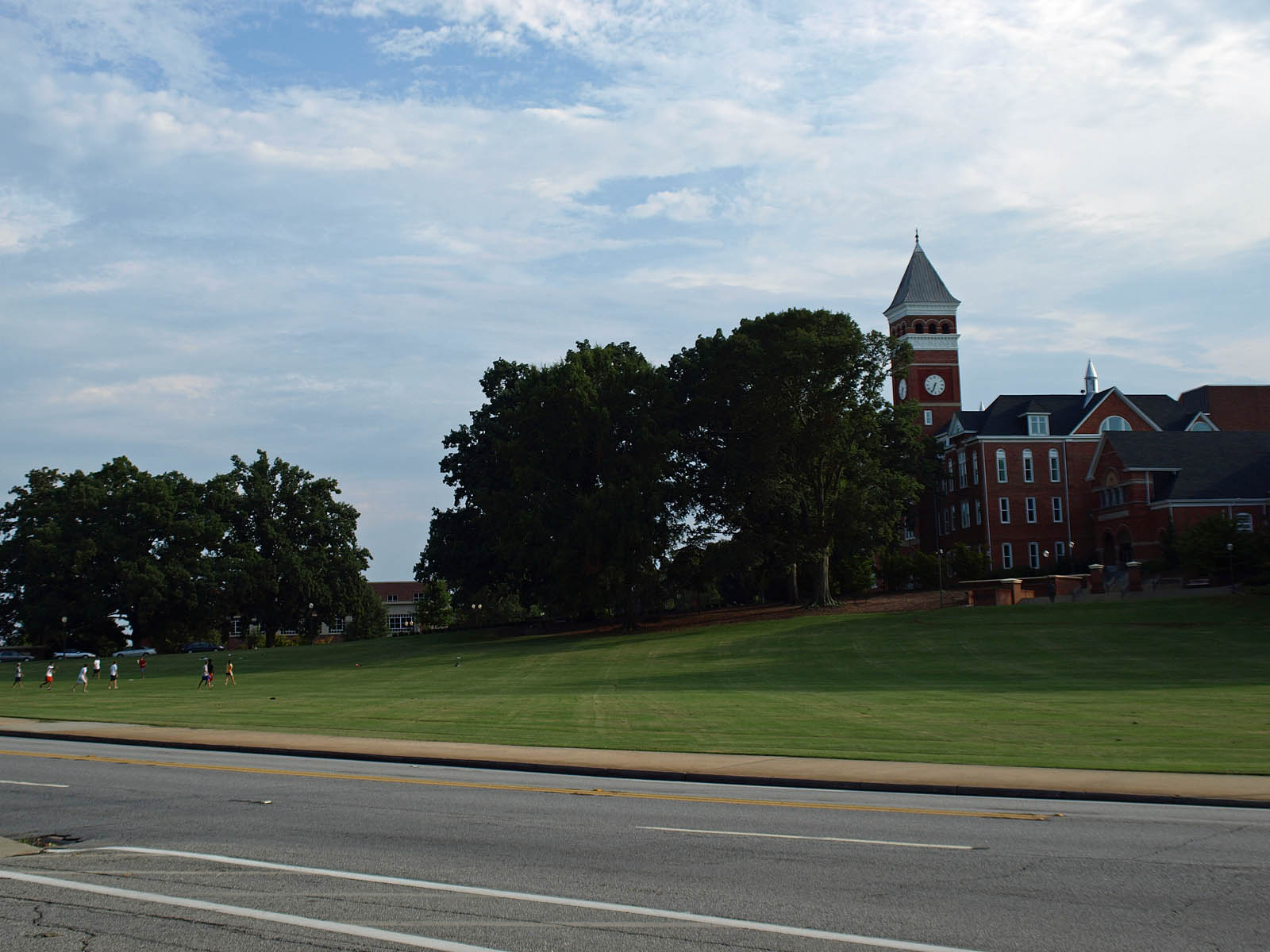
Benjamin C. Ayers formally became the 16th president of Clemson University on 1 August 2026, taking over one of South Carolina’s largest research universities after a national search led by the Board of Trustees. He succeeds Jim Clements, who left to lead West Virginia University.
The Board of Trustees unanimously selected Ayers in July, following his year as senior vice president and provost of the University of Georgia. Before that, he spent eleven years as dean of UGA’s Terry College of Business, where the university says undergraduate enrolment grew by roughly 40% and graduate enrolment by around 64% during his tenure. “It is a tremendous honor to be selected to serve as the next president of Clemson University,” Ayers said following his appointment.
From accounting professor to university chief
Ayers, an accounting academic with a doctorate from the University of Texas, spent much of his career inside business schools before moving into wider university administration. Clemson’s trustees pointed to his record of enrolment growth and fundraising at Georgia as key reasons for the appointment, at a time when public research universities across the United States face pressure over tuition costs, federal research funding and enrolment competition.
A university mid-expansion
Clemson has been in a period of rapid growth, adding new academic buildings, research partnerships and a rising national profile in engineering and business. Incoming presidents at large public universities increasingly arrive with a mandate to balance that growth against affordability and state funding constraints, and Ayers takes charge as those questions remain unresolved nationally.
Why It Matters
Presidential transitions at major research universities shape research priorities, tuition policy and thousands of students’ experience for years afterwards. Ayers’s appointment gives Clemson a leader with direct experience turning around enrolment and fundraising at another flagship public university, a skill set trustees are increasingly prioritising as competition for students intensifies across US higher education.



Leave a Reply