

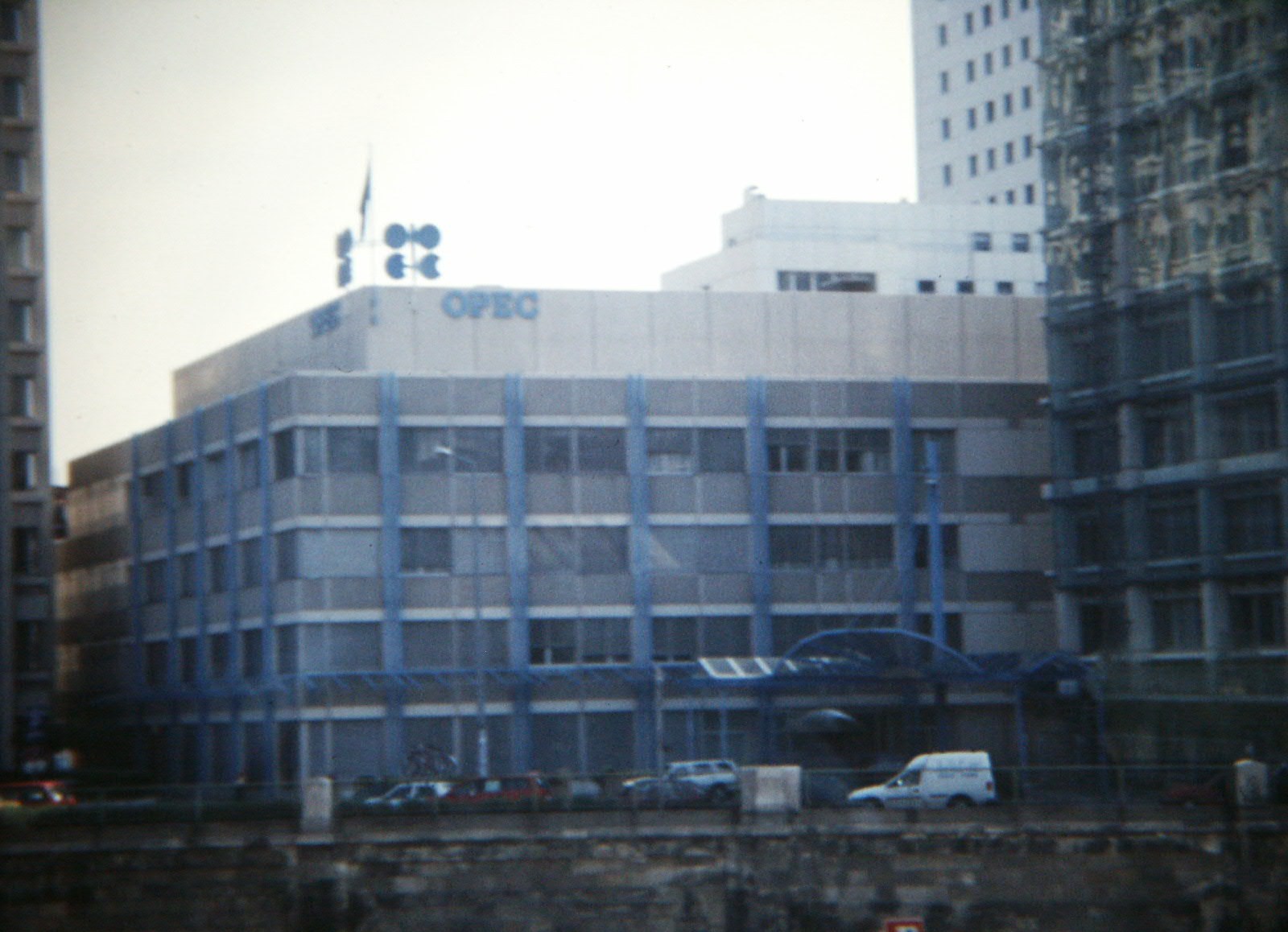
OPEC+ agreed on 2 August 2026 to raise crude output by a further 188,000 barrels per day from September, according to the group’s statement following a virtual meeting of eight member states. The increase completes the rollback of roughly 3.5 million barrels a day in voluntary production cuts that Saudi Arabia, Russia and other producers first announced in 2023.
A Gradual Unwind
Saudi Arabia, Russia, Iraq, Kuwait, Kazakhstan, Algeria and Oman have raised output in near-identical monthly steps since the spring, according to the group’s communiqués, as Gulf producers sought to recover market share while global demand held up better than many analysts had expected. The September increase was the fifth consecutive monthly rise.
Market Backdrop
The decision followed a period of disruption to regional exports linked to conflict in the Middle East, with producers citing improving conditions across the Gulf as justification for continuing to add barrels to the market. OPEC+ indicated it expects to hold quotas broadly steady for the remainder of 2026, though it noted that plans could shift depending on how prices and demand evolve. The group’s eight participating members represent a significant share of global spare production capacity, meaning their output decisions carry outsized influence over benchmark crude prices even when other producers outside the alliance are also raising or lowering their own output independently.
Why It Matters
The end of the cuts cycle removes a source of uncertainty that had hung over oil markets for more than two years, giving refiners, shipping firms and import-dependent economies a clearer picture of available supply heading into the final quarter of the year. For producer economies, the shift back to higher output also signals confidence that global demand can absorb additional barrels without a sustained price collapse. Energy-importing nations, particularly in South Asia and parts of Africa, stand to benefit most directly if additional supply helps keep a lid on fuel costs that feed through into transport, manufacturing and household budgets.



Leave a Reply