

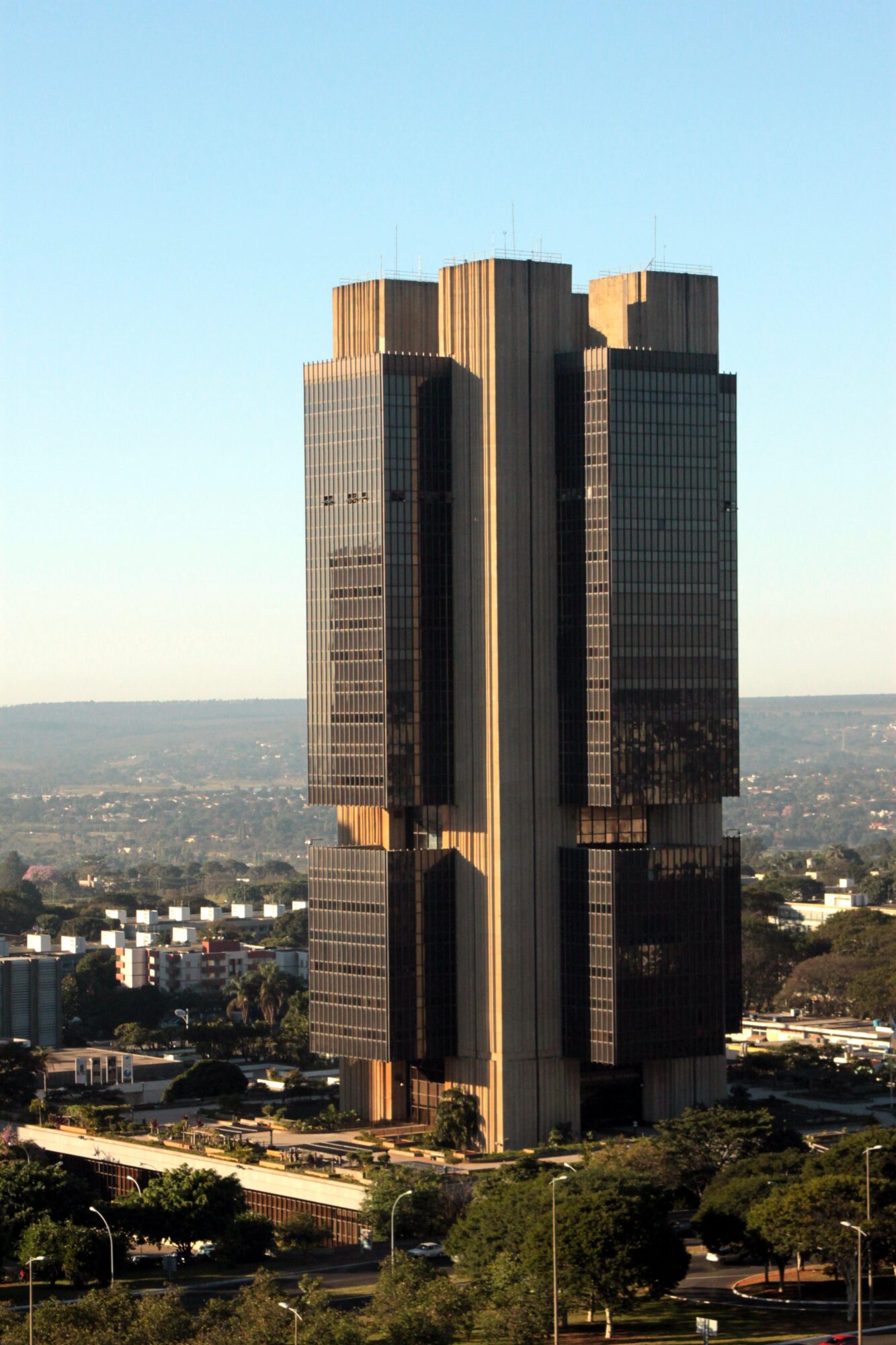
Brazil’s central bank cut its benchmark Selic rate to 14% on 5 August 2026, a move in line with the expectations of economists surveyed by Bloomberg. The decision by the Monetary Policy Committee, known as Copom and led by Governor Gabriel Galípolo, marked the fourth consecutive reduction since the easing cycle began in March.
A Cautious Descent
The Selic has fallen in 25 or 50 basis-point steps from a plateau of 15% held through the second half of 2025, moving to 14.75%, then 14.50%, then 14.25% in June, and now 14%, according to Copom’s policy statements. The cumulative easing since March totals 100 basis points, a pace the committee has described as deliberately measured rather than aggressive, reflecting caution about moving too quickly given lingering uncertainty over the inflation outlook.
Inflation Improving, Outlook Cautious
The committee’s forecast for 2026 inflation has fallen for five straight readings, and economists in the central bank’s Focus survey now expect the Selic to end the year at 13.75%, down from an earlier forecast of 14%. Copom gave no explicit forward guidance, saying the size of any further cuts would depend on incoming data and the path of inflation toward target. Brazil’s benchmark rate remains among the highest of any major economy in nominal terms, a legacy of the aggressive tightening cycle policymakers pursued to bring inflation back under control before the current easing phase began.
Why It Matters
Lower borrowing costs matter directly to Brazilian households and businesses financing everything from mortgages to working capital, and the pace of the cutting cycle is being watched closely by investors in Latin America’s largest economy as a signal of how durable the recent disinflation trend will prove. A steady, predictable path of cuts also helps the government manage its own debt-servicing costs, which remain sensitive to any sign that the Selic’s descent could stall or reverse.



Leave a Reply