

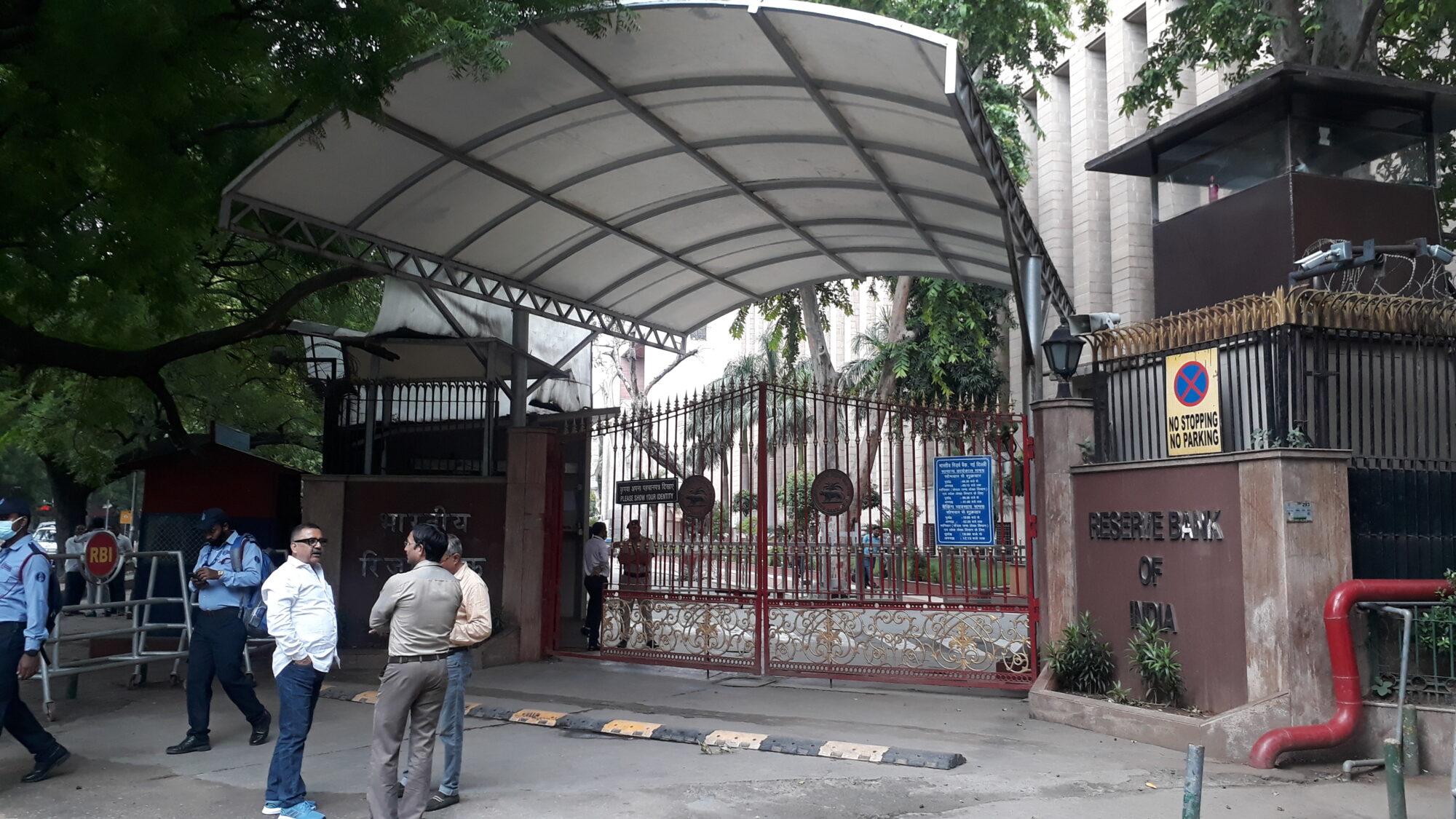
The Reserve Bank of India’s Monetary Policy Committee voted unanimously to hold the benchmark repo rate at 5.25% following its meeting of 3 to 5 August 2026, keeping the bank’s stance at “neutral”. The Standing Deposit Facility rate remains at 5.00%, while the Marginal Standing Facility rate and Bank Rate stay at 5.50%.
Inflation Above Target
Headline consumer price inflation rose to 4.4% in June 2026, moving above the RBI’s 4% target after sixteen consecutive months below it, according to the committee. Officials attributed the rise mainly to food and fuel prices rather than underlying demand, which they described as contained. The committee said it would continue to monitor monsoon-linked food price movements closely, given their outsized influence on India’s headline inflation readings in recent years.
Growth Outlook Raised
Despite the inflation uptick, the RBI raised its GDP growth projection for the current financial year to 6.7% from 6.6%, citing resilient domestic demand and robust exports. Governor Sanjay Malhotra told reporters the bank was “neither dovish nor hawkish” and would continue to be guided by incoming data on growth and prices. The committee’s decision to hold rather than cut further suggests policymakers want more evidence that the recent uptick in food and fuel prices will not broaden into more persistent, demand-driven inflation before easing policy again.
Why It Matters
By holding rates steady while flagging confidence in growth, the RBI is signalling that it has room to wait before its next move, a stance that matters for borrowers, exporters and foreign investors weighing the rupee’s trajectory. The decision also shows one of the world’s largest emerging economies balancing price stability against a push to sustain one of the faster growth rates among major economies. For businesses across India’s manufacturing and services sectors, stable borrowing costs alongside an upgraded growth outlook offer a measure of predictability as they plan investment for the year ahead.



Leave a Reply