
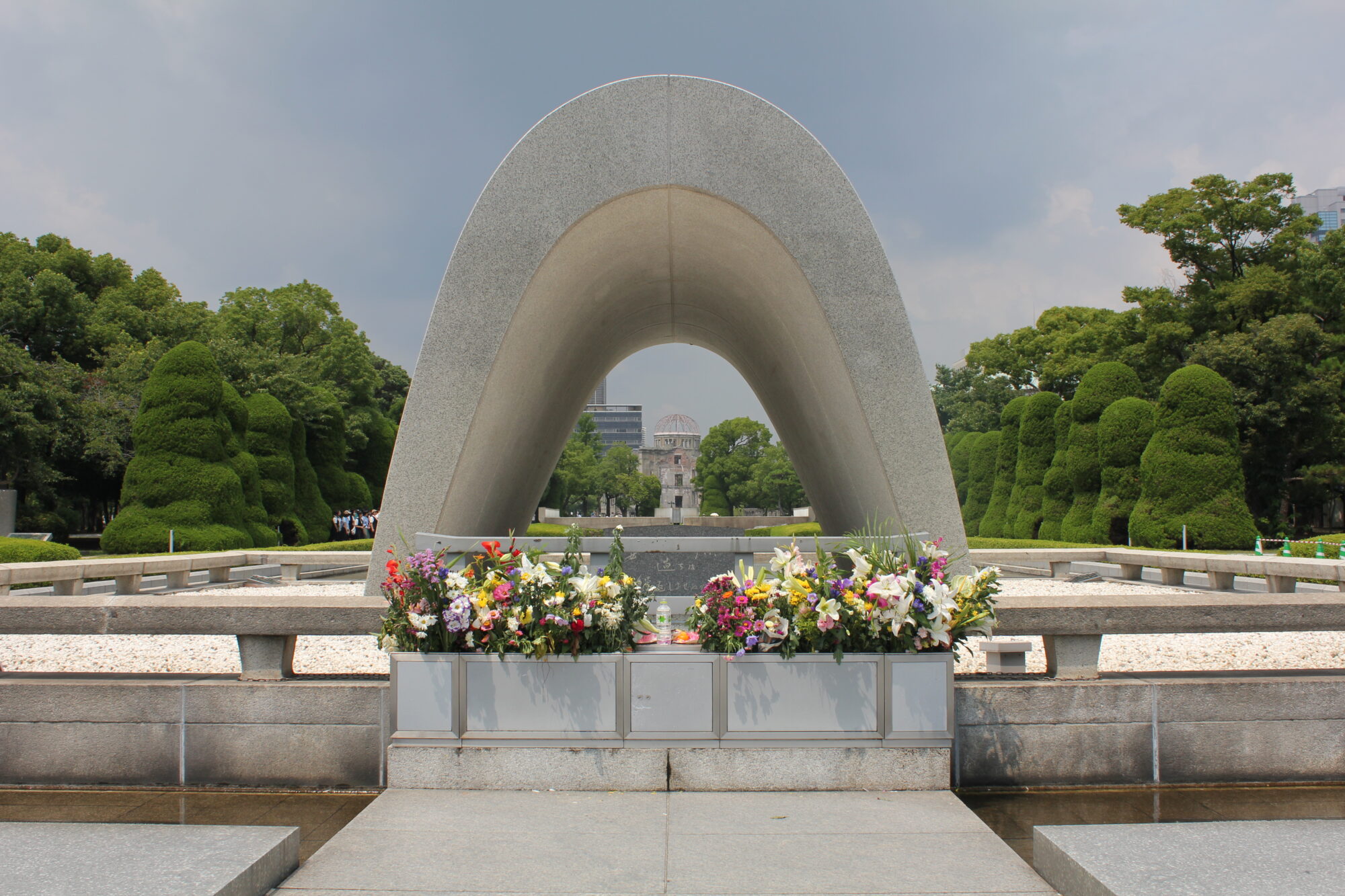
Hiroshima marked the 81st anniversary of the atomic bombing on Thursday 6 August, with Prime Minister Sanae Takaichi attending the city’s Peace Memorial Ceremony, according to Japan’s Prime Minister’s Office. The office said about 50,000 people took part, among them atomic bomb survivors, bereaved family members, representatives of international organisations including the United Nations, and delegates from 121 countries and regions and the European Union.
How the Ceremony Unfolded
The Prime Minister’s Office said Mayor Kazumi Matsui and representatives of bereaved families added the names of victims whose deaths were confirmed over the past year to the cenotaph in Hiroshima Peace Memorial Park. The Peace Bell was rung at 8:15 a.m., the moment the bomb was dropped in 1945, and all participants observed a minute of silence. Mayor Matsui then read the Peace Declaration, two child representatives recited the Promise for Peace, and Ms Takaichi delivered an address.
After the ceremony, the office said, the prime minister visited the Hiroshima Peace Memorial Museum, received requests from representatives of seven survivors’ organisations, spoke to the press and visited residents at a nursing home for survivors.
Stars and Stripes, which covered the event, reported that 4,393 names were added to the cenotaph’s registry, bringing the total to 353,639. It said Mr Matsui challenged what he described as a growing acceptance of nuclear weapons as instruments of security, asking world leaders: “How much longer do you intend to disappoint us?” The newspaper also reported that the US ambassador to Japan, George Glass, did not attend and that Deputy Chief of Mission Aaron Snipe represented the United States, according to the embassy. The Associated Press reported that Ms Takaichi, attending for the first time as prime minister, said she would take “a realistic approach” towards a world in which nuclear weapons are never used.
A Shrinking Circle of Witnesses
Stars and Stripes, citing Japan’s Ministry of Health, Labour and Welfare, said about 91,000 survivors, known as hibakusha, remain alive, roughly 8,000 fewer than a year earlier, with an average age just over 86. Survivor Kokichi Amano, 87, who was six when the bomb fell, told the newspaper he hopes communities, rather than individuals, will take on the task of sharing survivors’ stories.
Why It Matters
The annual ceremony is one of the few moments each year when governments, international organisations and survivors share the same stage on nuclear weapons. This year’s turnout of delegations from well over a hundred countries and regions shows that the anniversary still carries diplomatic weight. At the same time, the falling number of living witnesses means the burden of keeping the memory alive is shifting to schools, cities and institutions, so the appeals made in Hiroshima may be judged less by the ceremony itself than by what governments do in the months that follow.



Leave a Reply