

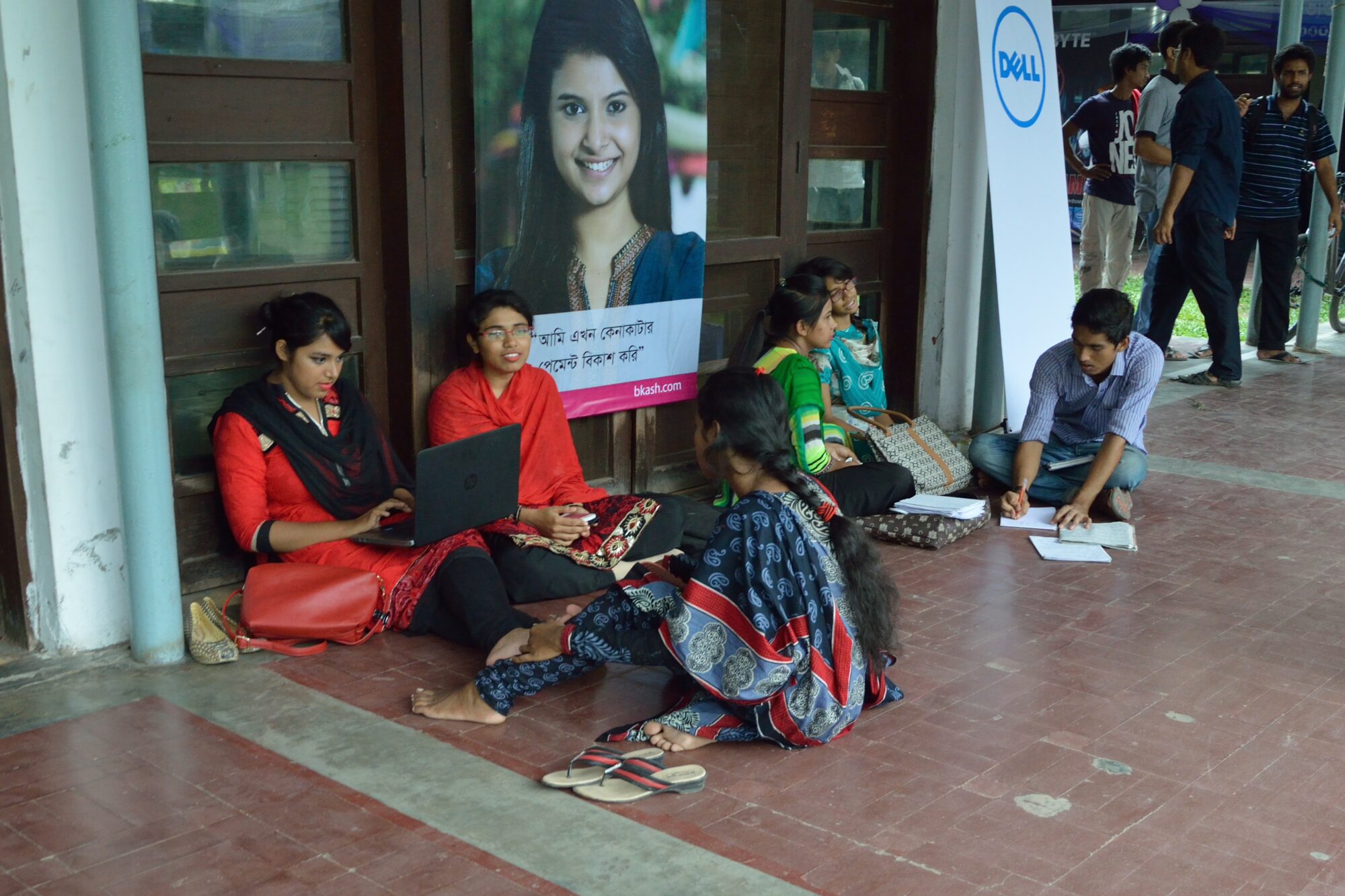
UNDP Bangladesh launched a new monthly programme called Youth Talk on 12 August 2026, International Youth Day, to bring together young leaders, changemakers and youth-led movements from across the country. The first session, held under the theme “Different Contexts, Common Aspirations,” drew about 25 young people for a discussion that ranged across climate action, governance, entrepreneurship, innovation, human rights and social inclusion.
A recurring space for young voices
According to UNDP Bangladesh, the platform is designed for university students and young changemakers to share ideas, connect across different movements and explore opportunities for collective action. Rather than a one-off event, Youth Talk is intended to run monthly, giving participants a regular forum to compare experiences and identify shared priorities.
The first session gave participants the chance to reflect on the challenges young people in Bangladesh face today and their hopes for the country’s future, according to UNDP. Organisers said the goal is to help transform shared aspirations into practical initiatives that support the country’s sustainable development.
Part of a wider youth push
The launch coincided with International Youth Day observances across Bangladesh, where discussions this year focused heavily on rights, opportunity and civic participation for young people. UNDP Bangladesh has framed the new series as one strand of a broader effort to strengthen youth participation in national development planning.
Why It Matters
Bangladesh has one of the youngest populations in South Asia, and giving young people a structured, recurring channel to influence policy discussions, rather than a single annual event, could help translate youth concerns about jobs, climate and governance into more concrete civic engagement over time. The choice of theme, “Different Contexts, Common Aspirations,” reflected an effort by organisers to draw connections between youth-led movements working on different issues, from climate advocacy to entrepreneurship, rather than treating them as separate constituencies with little in common.



Leave a Reply