

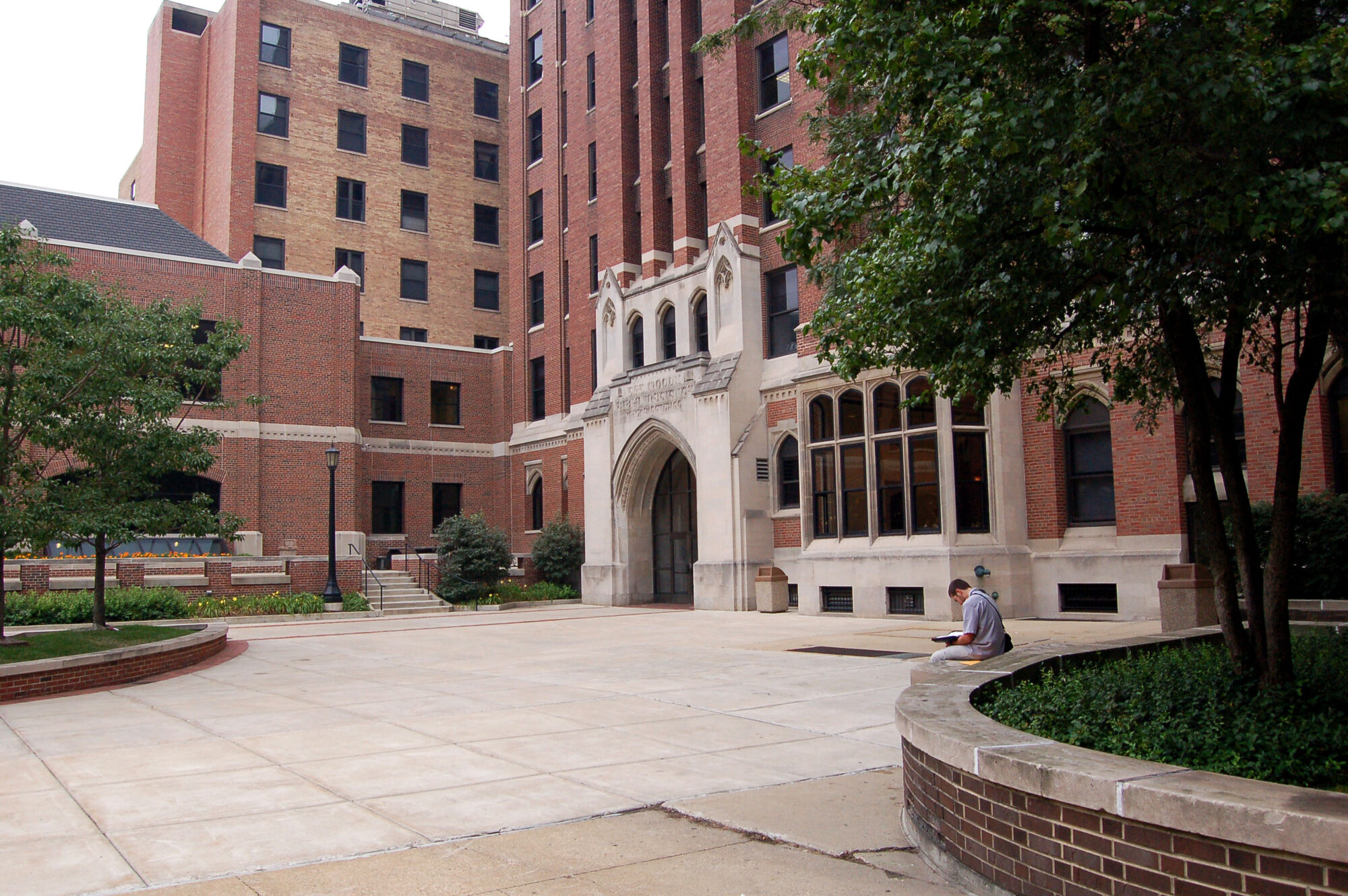
Moody Bible Institute’s board of trustees installed Dr Rick Melson as the Chicago-based institution’s 11th president, effective 17 August 2026, following an extensive nationwide search. Melson succeeds Dr Mark Jobe, who stepped down on 30 June after seven years leading the evangelical Christian college and media ministry.
Melson arrives from Southwest Baptist University in Bolivar, Missouri, where he served as president. He has spent more than 35 years in Christian higher education and ministry leadership, including roles at Cedarville University and at Bethlehem Baptist Church alongside pastor and author John Piper, according to Moody’s announcement.
A search focused on fundraising and enrolment
Moody’s trustees highlighted Melson’s record in fundraising and enrolment management, two pressure points for faith-based colleges nationally as they contend with a shrinking pool of traditional-age students and rising costs. “Together, we will seek God’s wisdom” to guide the institute’s next chapter, Melson said following his appointment, according to Moody’s own announcement and coverage by Beliefnet.
Continuity for a 140-year-old institution
Founded in 1886 by evangelist Dwight L. Moody, the institute trains students for pastoral and missionary ministry and operates an affiliated radio network alongside its Chicago campus. Leadership transitions at institutions of this kind carry weight beyond the classroom, shaping fundraising relationships with churches and donors that sustain religious higher education even as broader enrolment in theological programmes has fluctuated nationally.
Why It Matters
Moody’s reach extends well beyond its Chicago classrooms through its radio network and distance-learning programmes, meaning leadership decisions there ripple through a wider evangelical media and education audience. Faith-based colleges occupy a distinct niche in US higher education, often relying more heavily on donor networks and denominational ties than public or secular private institutions. Who leads them shapes both their theological direction and their financial resilience at a time when small religious colleges elsewhere have faced closures and mergers.



Leave a Reply