

The World Health Organization’s Emergency Committee met on 18 August 2026 and determined that the Ebola Bundibugyo virus disease outbreak in the Democratic Republic of the Congo continues to constitute a Public Health Emergency of International Concern, WHO said. The Director-General subsequently issued updated temporary recommendations to countries as the outbreak, first declared in May 2026, continued to spread.
Scale of the Outbreak
According to WHO’s latest situation report, the outbreak had reached 60 health zones across six provinces by late August, up from 54 health zones weeks earlier. Cumulatively, 5,815 confirmed cases had been reported, including 5,794 in the DRC, 20 in Uganda and one in France, with 2,788 total deaths recorded. WHO put the crude case fatality ratio at 48.1%, which the agency said underscored the severity of the disease, while noting that at least 1,314 patients had recovered. Ituri province was the epicentre, with North Kivu the second most affected.
Vaccination Response
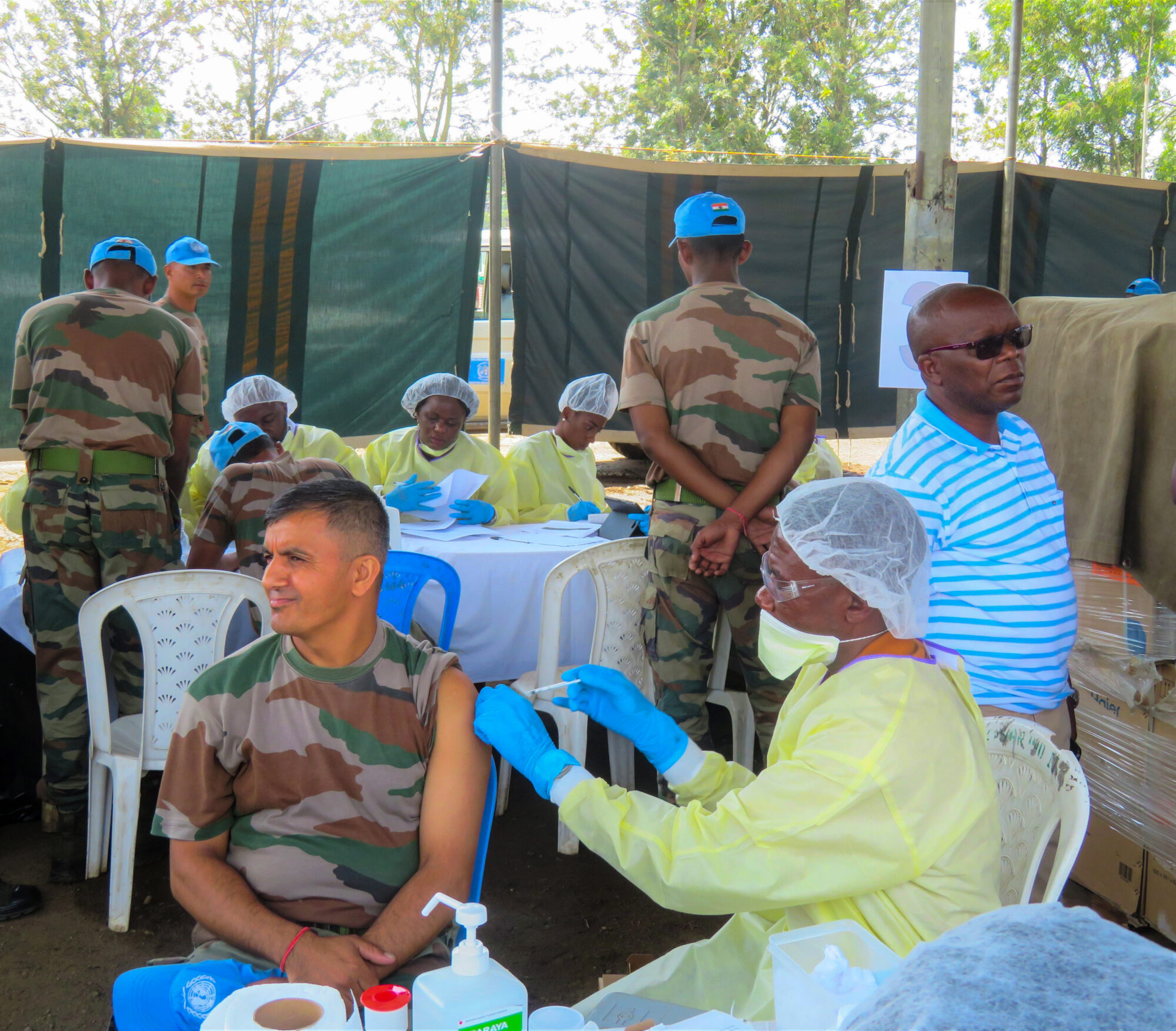
WHO reported that vaccination activities began in the outbreak zone on 27 August, part of the wider response alongside case detection, contact tracing and treatment centre operations that have involved health workers, the DRC’s Ministry of Health and international partners, including United Nations peacekeeping medical teams present in the affected provinces.
Why It Matters
A case fatality ratio near 48% makes this among the more severe Ebola outbreaks recorded in recent years, and its spread into neighbouring Uganda and a case as far away as France illustrates how quickly localised outbreaks can cross borders in a globally connected world. The Emergency Committee’s continued designation keeps international attention and resources focused on containment efforts in the DRC’s eastern provinces, a region that has faced repeated Ebola outbreaks over the past decade. Sustained funding and staffing for treatment centres in Ituri and North Kivu remain a persistent challenge, given the difficult security environment and logistical barriers to reaching some affected communities.



Leave a Reply