

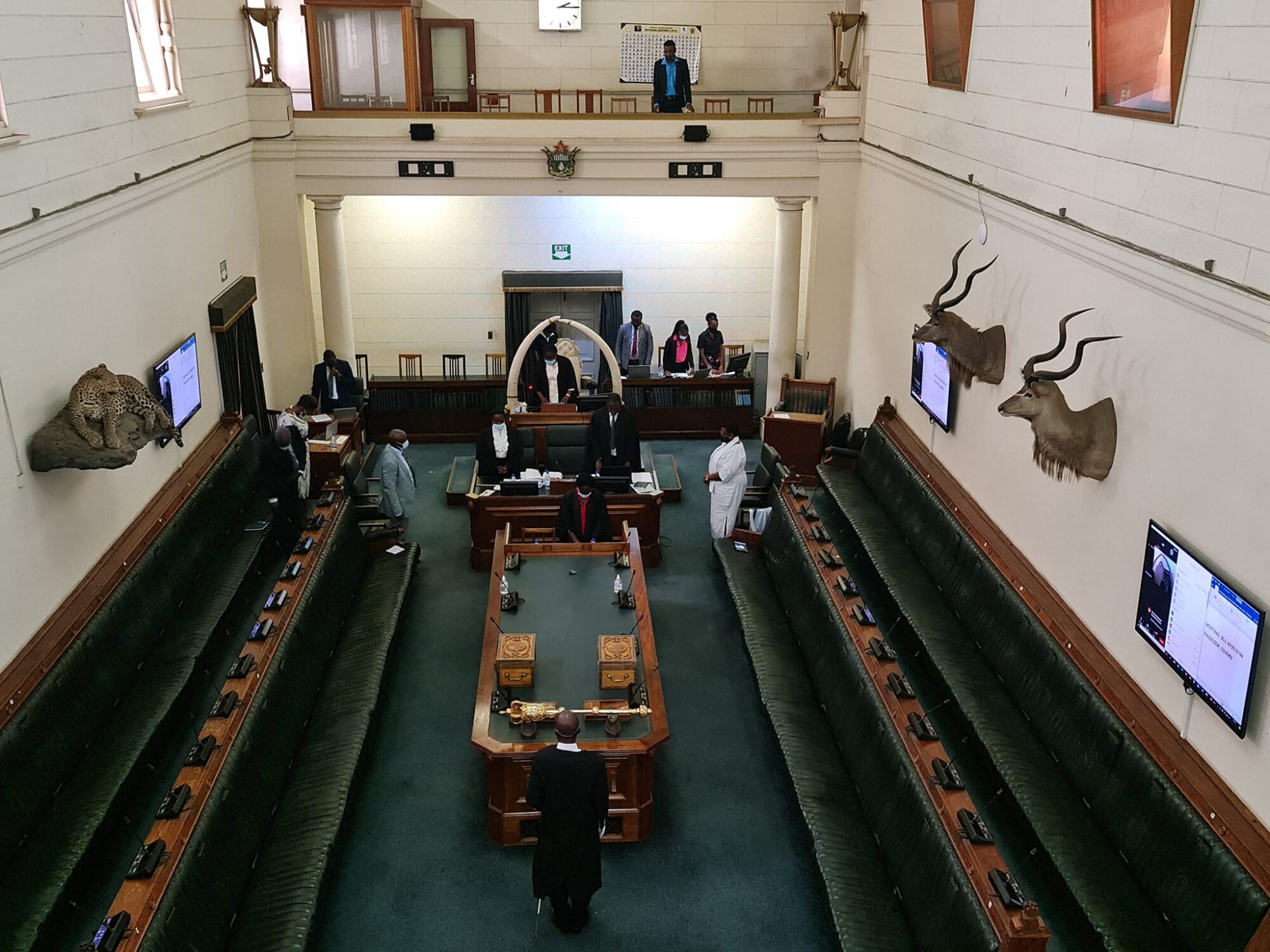
Zimbabwe’s Parliamentary Portfolio Committee on Justice, Legal and Parliamentary Affairs held public hearings on the Whistle-Blowers and Witness Protection Bill, 2026 (H.B. 4) from 24 to 28 August 2026, with two teams covering all ten provinces in partnership with the African Parliamentarians Network Against Corruption, according to Bulawayo24. Venues included Chipadze Hall in Bindura, the New Ambassador Hotel in Harare, Sakubva Beit Hall in Mutare and Bulawayo’s Small City Hall.
What the bill would do
The bill would create a legal framework protecting people who report corruption in both the public and private sectors, including safeguards against retaliation, provision for compensating witnesses for losses linked to their involvement in corruption cases, and a requirement for private-sector employers to set up their own whistleblowing protection mechanisms, according to CITE. Transparency International Zimbabwe’s head of programmes, Nqobani Tshabangu, said fear of reporting wrongdoing remains a major barrier to exposing corruption, citing research suggesting 43% of private-sector fraud cases come to light because of whistleblowers.
Questions over implementation
Some participants at the hearings raised doubts about Zimbabwe’s capacity to deliver on the bill’s promises. One participant, identified as Senyoro, asked, according to CITE, whether the country was “resourced enough to protect witnesses,” pointing to concerns that witnesses often withdraw from corruption cases during lengthy legal proceedings. The bill is one of several integrity-focused measures moving through Zimbabwe’s Parliament alongside it, including proposed amendments to the Zimbabwe Anti-Corruption Commission Act, as part of a wider legislative push that the government has framed as strengthening the country’s institutional response to corruption.
Why It Matters
Whistleblower protection is widely regarded as one of the more effective tools against corruption, since insiders are often best placed to expose wrongdoing that would otherwise go undetected. Whether Zimbabwe can back new legal protections with the resources to enforce them will determine whether the bill changes behaviour on the ground or remains a promise on paper.



Leave a Reply