

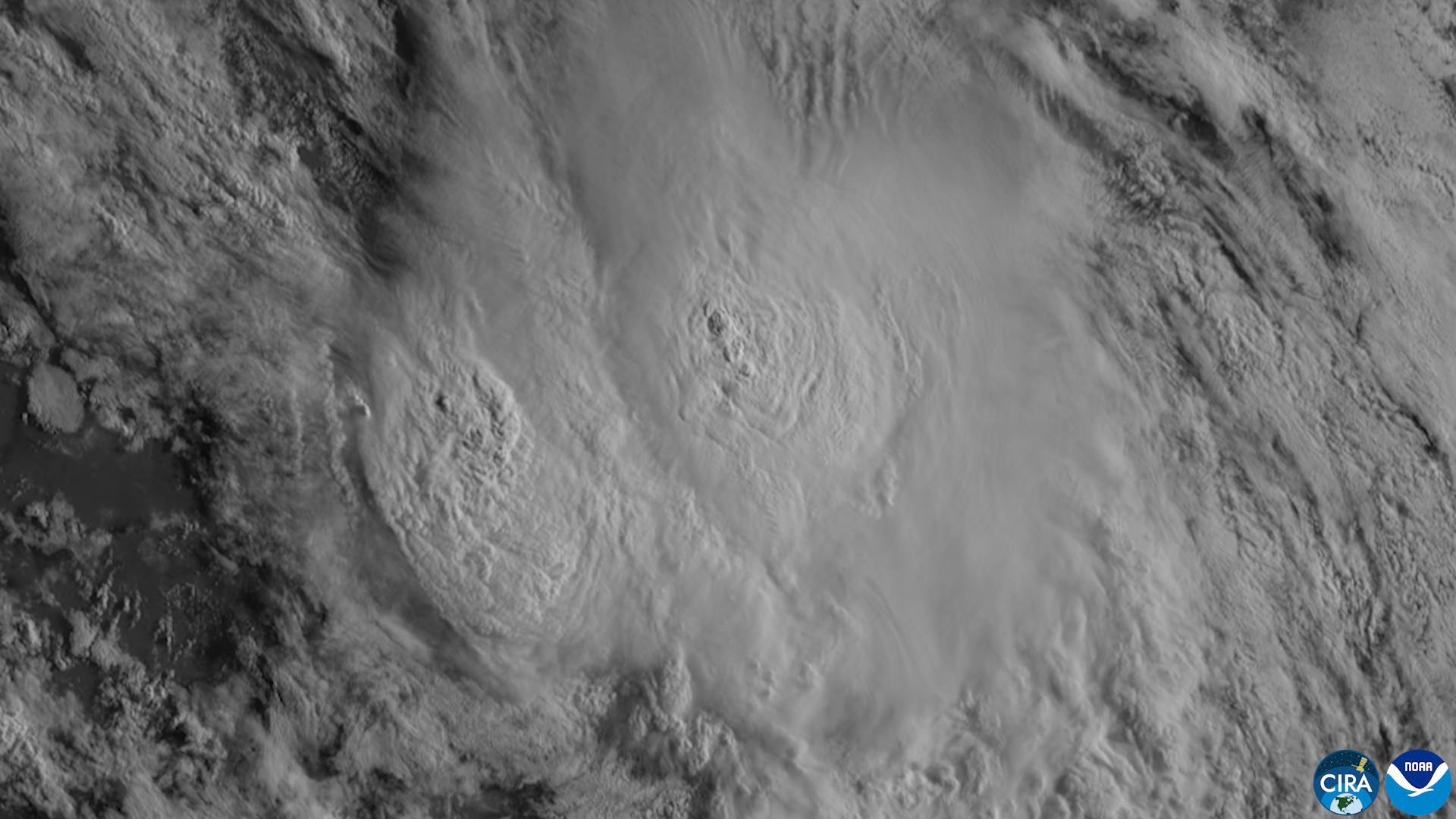
The US National Hurricane Center confirmed on 27 August 2026 that a system in the open Atlantic had organised into Tropical Storm Dolly, the fourth named storm of the 2026 Atlantic hurricane season. At the time of formation, Dolly was centred roughly 1,555 miles east of the Leeward Islands, with maximum sustained winds of 40 mph, and was moving west at about 24 mph, putting it on a path that would carry it toward the northeastern Caribbean over the following days.
A Well-Defined but Modest System
Forecasters said the National Hurricane Center determined the system had developed a well-defined centre of circulation and had acquired sufficient tropical characteristics to be named. Despite its distance from land, meteorologists said Dolly could bring locally heavy rain, gusty thunderstorms and choppy seas to the Leeward Islands and potentially the northern Windward Islands as it tracked westward.
Expected Rainfall Across the Caribbean
Forecasts at the time called for one to four inches of rain across the Leeward Islands, Puerto Rico, Hispaniola and Cuba as Dolly’s moisture moved through the region. Models indicated the storm was likely to weaken into a post-tropical system before reaching the Lesser Antilles, and forecasters said it did not pose an active threat to Texas or the wider US coastline. The National Hurricane Center said it would continue to monitor the system’s track closely in case conditions changed enough to alter the forecast.
Why It Matters
Dolly’s formation came during what would go on to be a historically quiet stretch for the 2026 Atlantic season, with the basin recording six named storms but no hurricanes through the traditional mid-September peak. Even a modest, short-lived system like Dolly still carries real localised flooding risk for Caribbean islands, underscoring why forecasters track every named storm closely regardless of its ultimate strength, since rainfall and rough surf can still cause damage well before a system reaches hurricane intensity.



Leave a Reply