

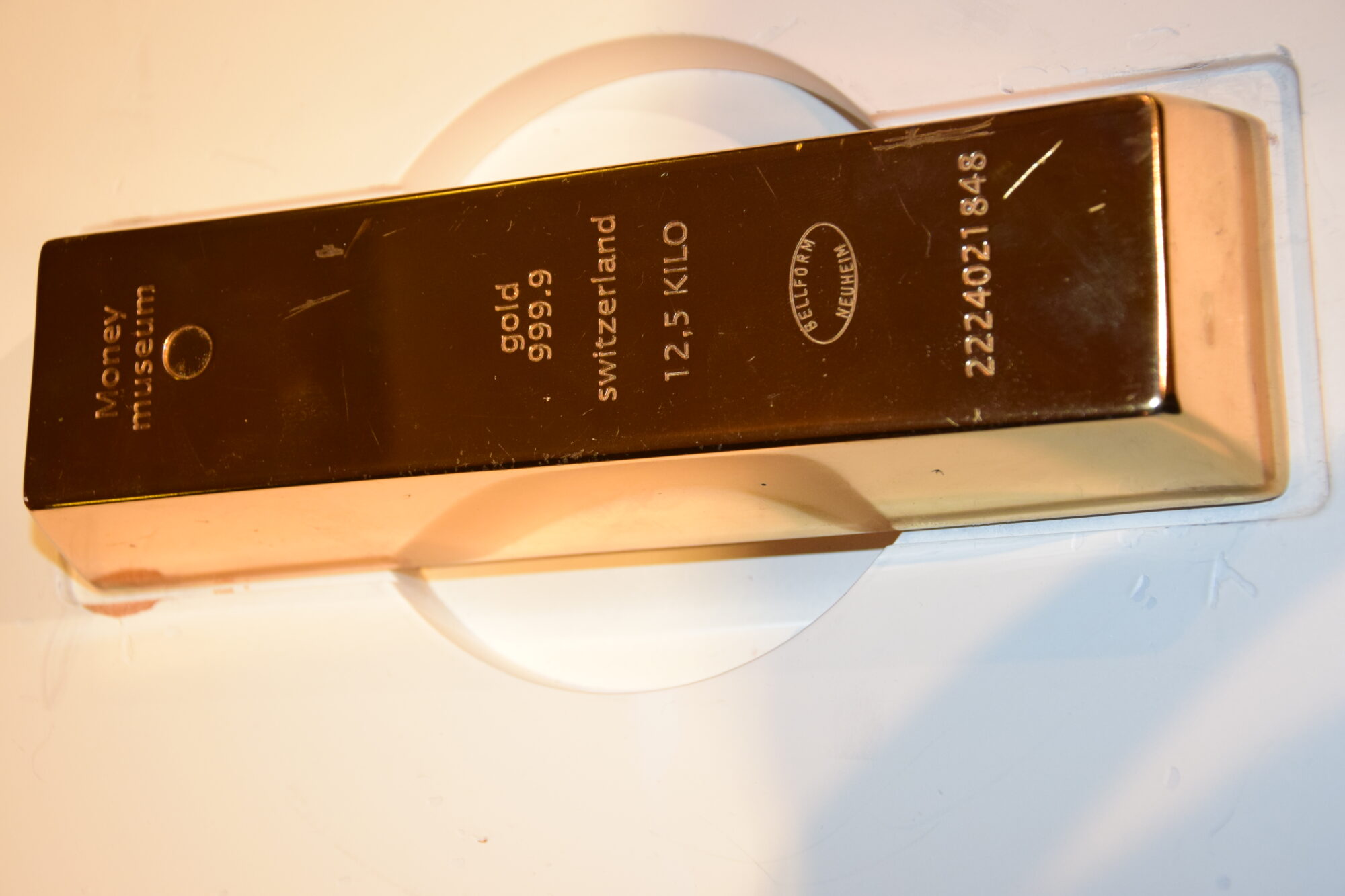
Gold rose 13% during August 2026 to close the month near US$4,563 an ounce, after touching an intra-month high of $4,670.90, according to the World Gold Council’s monthly market commentary. The council described the rally as the third-strongest monthly return in twenty-five years, trailing only a 14% gain recorded in January 2026.
What Drove the Rally
The World Gold Council’s Gold Return Attribution Model pointed to momentum-driven exchange-traded-fund buying as the largest single contributor to the August gain, followed by a weaker US dollar and rising implied volatility in gold prices, which tends to draw in additional hedging demand. The council noted that gold had already touched record highs earlier in 2026 before the August surge.
A Volatile Year for Bullion
Gold’s path through 2026 has been unusually sharp for a traditionally defensive asset, with the metal’s two strongest months of the past 25 years both falling within the same year. Analysts surveyed at the start of 2026 had clustered year-end price targets between roughly $4,900 and $6,300, expectations that were built in part around anticipated central bank rate cuts that did not fully materialise. Instead, a mix of rate increases from several major central banks and continued geopolitical tension appears to have kept safe-haven demand elevated even as the rationale for holding gold shifted through the year.
Why It Matters
Sharp gold rallies of this scale typically reflect investors seeking protection against currency weakness, inflation and geopolitical uncertainty simultaneously, and the scale of August’s move underscores how central bank policy, a softer dollar and hedging demand can reinforce one another. For central banks and savers across emerging markets in particular, the swings in bullion prices carry direct consequences for reserve values and household savings, especially in countries where gold makes up a substantial share of official foreign-exchange reserves or household wealth.



Leave a Reply