

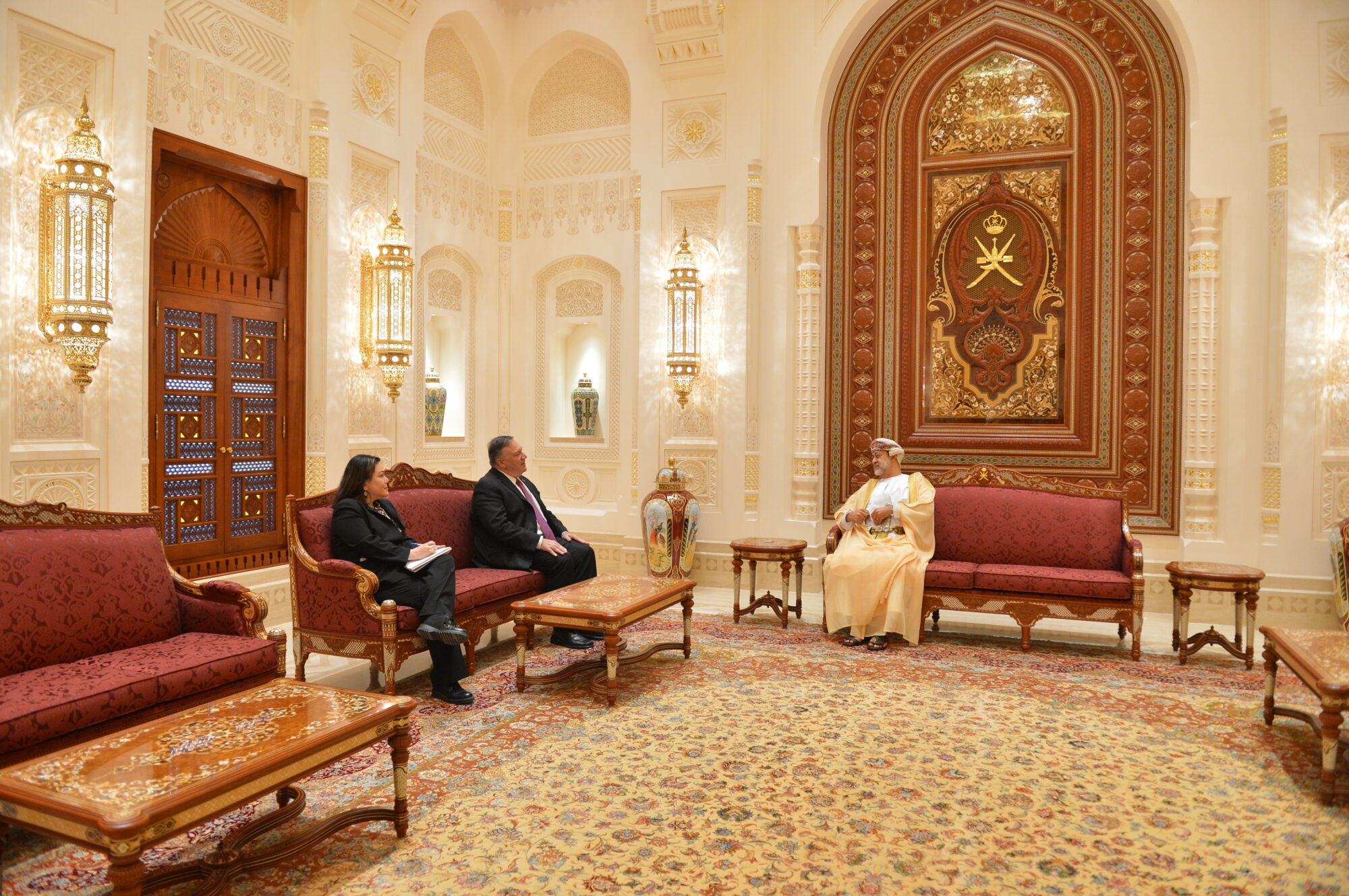
Oman’s foreign ministry confirmed on 3 September 2026 that Sultan Haitham bin Tarik will pay a state visit to the United Kingdom from 20 to 22 October, hosted by King Charles III and Queen Camilla at Windsor Castle. The invitation, extended by the King, was delivered in person by UK Prime Minister Sir Keir Starmer during a meeting with the Sultan at 10 Downing Street. Oman’s foreign ministry said the invitation “comes within the framework of the historic Omani-British relationship and the enduring friendship between the two peoples.”
First visit of its kind since 1982
The trip will be only the second state visit by a Sultan of Oman to Britain since Sultan Qaboos bin Said travelled to London in March 1982 as a guest of Queen Elizabeth II, making it a rare and symbolically significant event in the two countries’ long relationship, which dates back centuries through trade and, more recently, defence cooperation.
A balancing act over the Strait of Hormuz
The visit comes as Oman, which controls the southern shore of the Strait of Hormuz, tries to manage competing pressure from Washington and Tehran over shipping through the strait, a route that has historically carried roughly a fifth of the world’s oil and gas. According to reporting cited by WTOP, President Donald Trump had threatened military action against Oman after it appeared close to reaching an arrangement with Iran on managing ship traffic through the waterway. Britain’s willingness to roll out the full ceremonial programme associated with a state visit, including carriage processions and a state banquet, is widely read as a gesture of support for a Gulf partner navigating a delicate position between larger powers.
Why it matters
State visits are largely ceremonial, but Britain has historically used them to signal which relationships it wants to invest in diplomatically. Hosting Oman’s ruler with full state honours less than two months after the announcement suggests London wants to keep a discreet but strategically located Gulf state firmly within its circle of partners, even as Muscat continues its long-standing role as a back-channel between Iran and Western governments.



Leave a Reply