

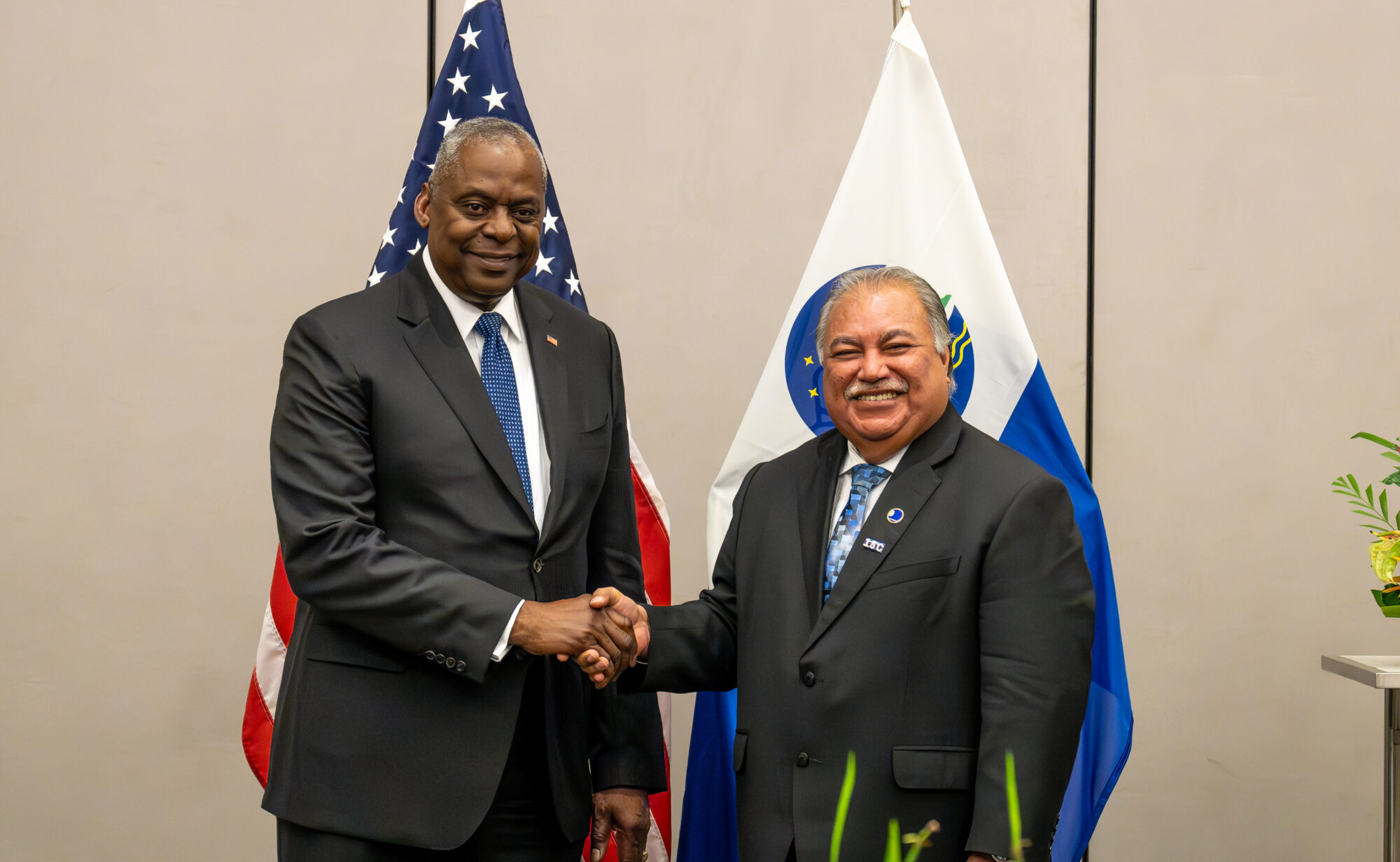
Taiwan returned to the Pacific Islands Forum as a development partner at the bloc’s leaders meeting in Palau, held from 30 August to 4 September 2026, a year after it and other non-member states were excluded from the 2025 gathering in the Solomon Islands. China, which holds “dialogue partner” status at the forum, responded by warning the bloc’s secretary-general against taking steps that could harm relations.
According to the China-Global South Project, Chinese officials cautioned Pacific Islands Forum Secretary-General Baron Waqa to “avoid affecting the healthy and stable development” of ties after he confirmed Taiwan would attend. Beijing has long objected to Taiwan’s presence at the annual gathering, which it regards as conferring unwarranted international standing on the island it claims as its own territory.
A shrinking circle of allies
Taiwan’s development partner status allows it to hold side events and engage forum participants without full member rights. Only three of the forum’s members, the Marshall Islands, Palau and Tuvalu, still maintain formal diplomatic relations with Taipei, down from six as recently as 2019. Nauru, Kiribati and the Solomon Islands have all switched recognition to Beijing over the past several years, part of a broader contest for diplomatic allies that has played out consistently at the margins of the forum.
The dispute has flared before. When Taiwan and China both attended the 2024 forum in Tonga, Chinese objections led to the removal of language reaffirming the bloc’s relationship with Taiwan from the meeting’s final communique.
Quieter this time, for now
Analysts monitoring this year’s gathering suggested the Palau meeting, hosted by one of Taiwan’s remaining allies, was less consumed by the rivalry than previous editions. Graeme Smith, a senior fellow at the Australian National University, said there was “no geopolitical distraction… which has dominated a lot of the forums in the past and is viewed as kind of an annoyance” by other members. William Chung, an assistant research fellow at Taiwan’s Institute for National Defense and Security Research, said Taiwan should use its presence to “conduct multilateral diplomacy on the sidelines and actively seek partnerships with dialogue partners, especially the US, Japan, Australia and New Zealand.”
New Zealand Foreign Minister Winston Peters offered a pointed observation about the forum’s consensus-based decision-making, saying “some countries are using the need for consensus to actually respond to outside partners’ wishes rather than those that belong to the Pacific Islands Forum.”
Why it matters
The Pacific Islands Forum’s insistence on consensus decision-making means a small number of members with divergent alignments, whether toward Taipei, Beijing, Canberra or Washington, can shape what the bloc is willing to say collectively. For the forum’s eighteen members, most of them small states balancing aid and investment offers from multiple directions, keeping the Taiwan question from dominating every agenda is itself treated as a diplomatic achievement.



Leave a Reply