
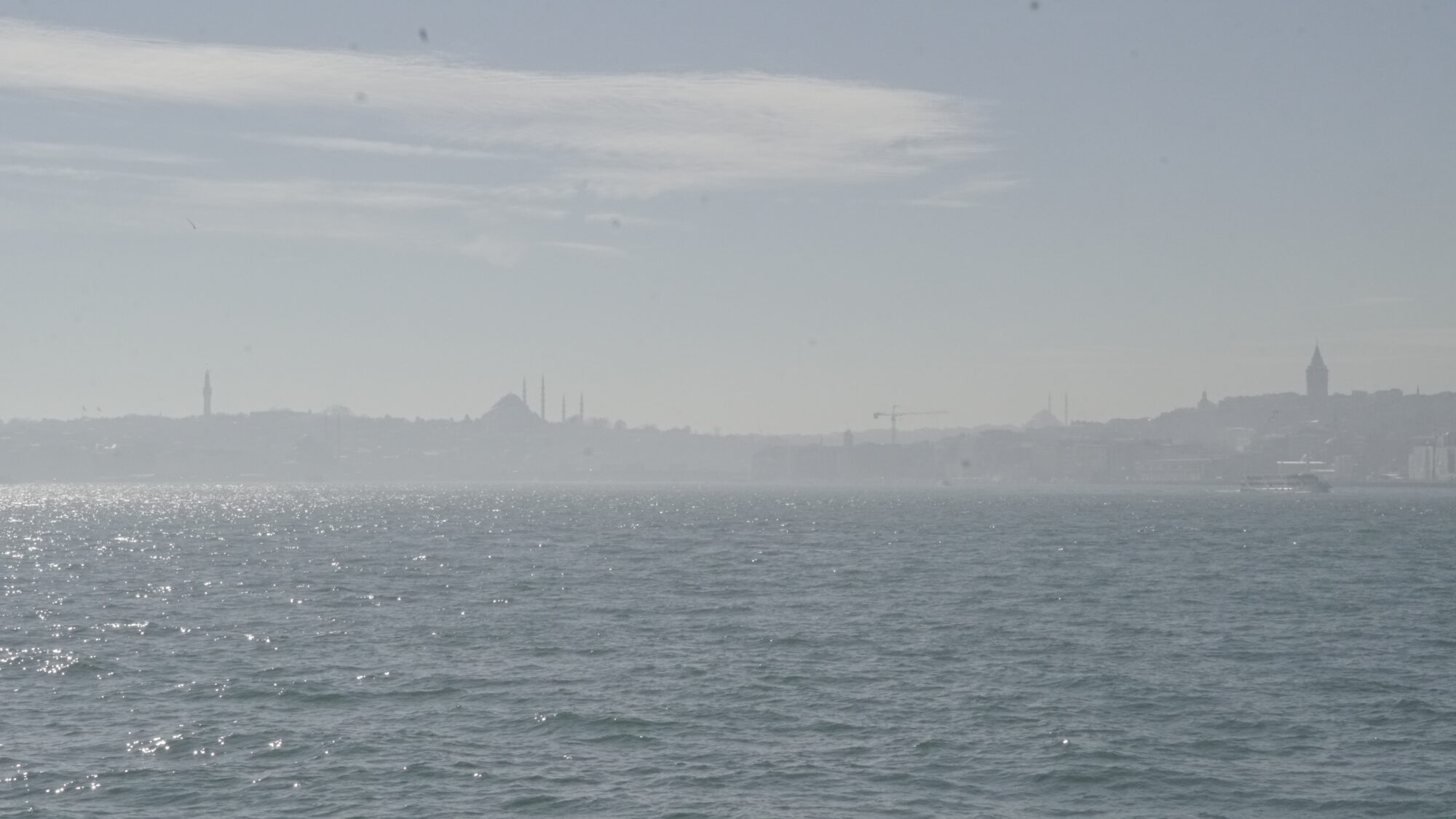
Senior officials from government, international financial institutions and the private sector gathered in Istanbul on 5 September for a Climate Finance Policy Dialogue convened by Turkey’s Ministry of Treasury and Finance, the United Nations and the office of the COP31 Climate High-Level Champion, ahead of the UN climate conference due to open in Antalya in November. Turkey’s Ministry of Treasury and Finance and UN Turkiye signed a Declaration of Intent establishing a strategic partnership on climate and development finance, covering knowledge-sharing, project preparation and innovative financing mechanisms.
Money, not just pledges
UN Resident Coordinator Babatunde Ahonsi framed the core problem discussed at the dialogue bluntly, asking how to “enhance the scale, speed and quality of finance” reaching climate projects, and stressing the need for investment-ready project pipelines and reliable data, rather than additional pledges alone. COP31 Climate High-Level Champion Samed Agirbas echoed the point, calling for public resources, private capital and international institutions to be integrated rather than mobilised separately. Participants, including representatives of the World Bank and the Asian Infrastructure Investment Bank, discussed blended finance instruments and sustainability reporting standards intended to make climate projects more attractive to private investors who have so far been reluctant to bear the risk alone.
A familiar gap, a new venue
The emphasis on bankable projects rather than headline pledges reflects lessons from previous COPs, where climate finance targets have often been agreed in principle only for disbursement to lag far behind. Holding the dialogue in Istanbul, ahead of a COP split unusually between a Turkish presidency and an Australian-led negotiation track agreed at COP30, signals an attempt to get financing groundwork done before formal talks begin in November, rather than leaving it to be negotiated under time pressure at the summit itself.
Why It Matters
Climate finance has repeatedly been the sticking point that determines whether UN climate summits are judged a success or a disappointment, particularly for developing and small island states seeking funds to adapt to impacts they did little to cause. Whether September’s Istanbul dialogue translates into genuinely investable projects, rather than another round of statements of intent, will shape expectations for what COP31 can realistically deliver.



Leave a Reply