
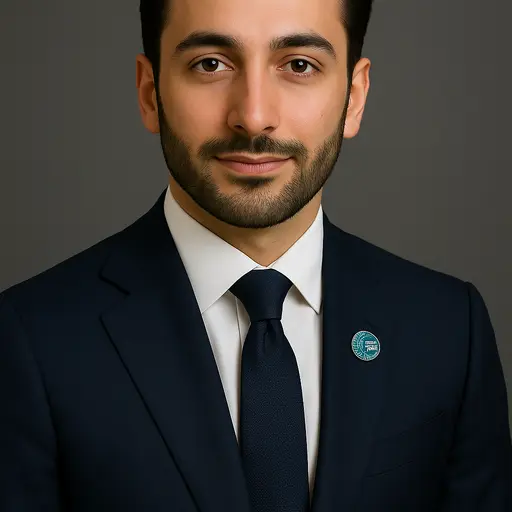
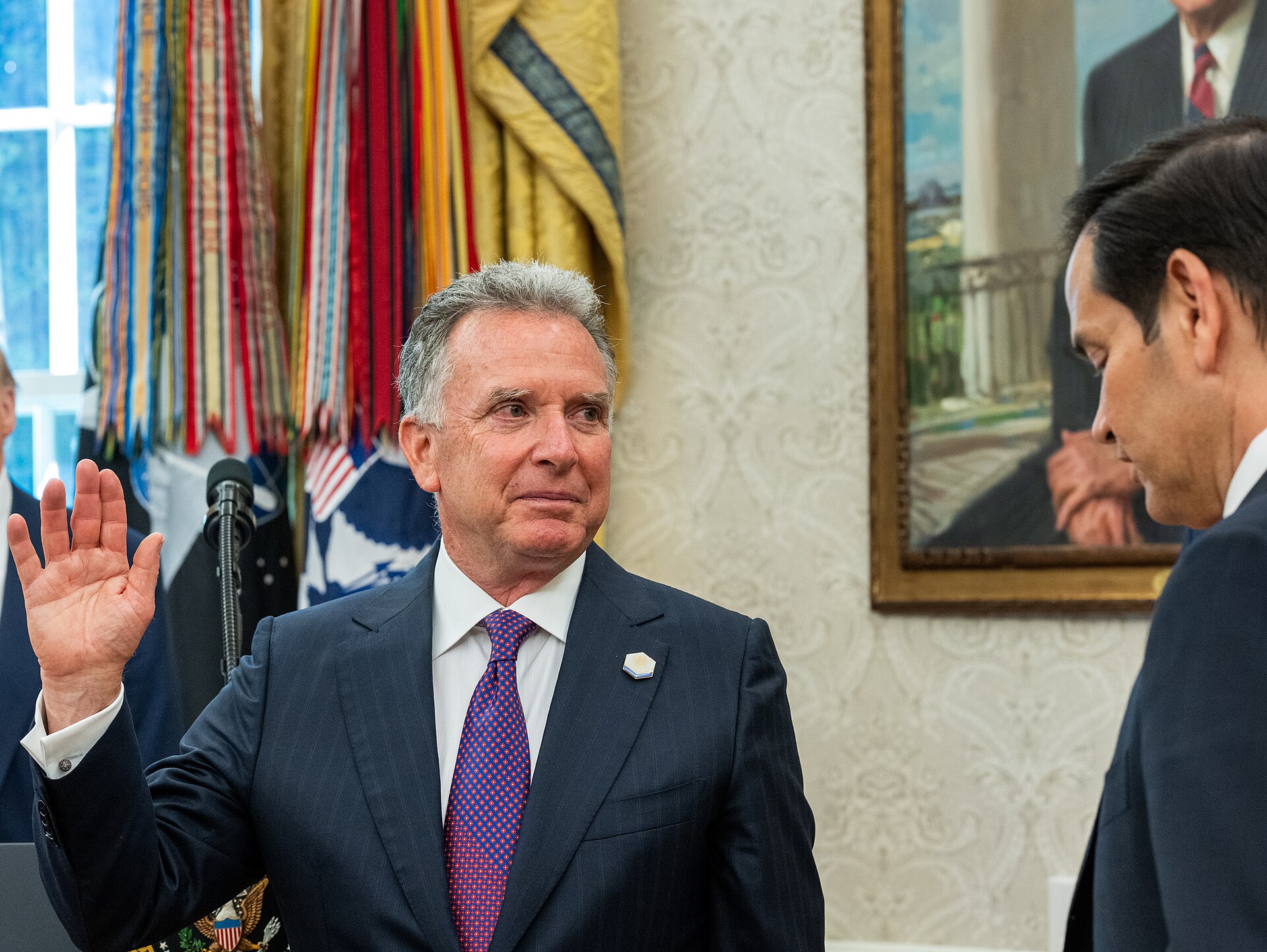
Steve Witkoff and Jared Kushner are expected to travel to Moscow and Kyiv this weekend in the Trump administration’s latest effort to revive stalled diplomacy over Russia’s war in Ukraine.
The reported itinerary places the two American envoys in Moscow on Saturday, September 5, for talks with Russian President Vladimir Putin, followed by a visit to Kyiv on Sunday, September 6, for discussions with Ukrainian President Volodymyr Zelenskyy. Zelenskyy confirmed the planned sequence on Friday, September 4, saying Ukraine was preparing for the visit.
The mission matters because the negotiations have lost momentum while the war continues to impose its heaviest costs on civilians. Russian and Ukrainian strikes have intensified, and Kyiv has remained under repeated aerial attack. Zelenskyy said on Friday that a strike on the capital had injured 12 people, while other regions were also affected.
One journey, two very different audiences
Witkoff and Kushner will be carrying the same broad objective into two capitals: find a workable path toward ending the conflict. But the political realities they face in Moscow and Kyiv are sharply different.
In Russia, the central challenge is persuading the Kremlin that negotiations can deliver more than battlefield gains. Moscow has repeatedly sought terms that would limit Ukraine’s sovereignty, reshape its security arrangements and formalise territorial control. Any American proposal that appears to reward military conquest would face deep resistance in Ukraine and among European governments supporting Kyiv.
In Kyiv, the envoys must demonstrate that an American push for speed will not become pressure for an unsafe or unenforceable settlement. Ukrainian officials have stressed the importance of credible security guarantees, national sovereignty and a peace that does not simply create the conditions for another Russian invasion.
That explains why the order of the trip is politically significant, even if it does not by itself signal a breakthrough. Washington will hear Moscow’s position first, then carry the diplomatic conversation to the country experiencing the invasion. The sequence may help the envoys compare claims directly, but it also places a premium on whether Kyiv believes its concerns are being treated as central rather than secondary.
The immediate test is practical, not theatrical
Zelenskyy said Ukraine would avoid air strikes during the period required for the visit and called on Russia to reciprocate. That request reflects the unusual security demands of diplomacy conducted during an active war. Even a short reduction in attacks could give negotiators room to move safely, but a temporary pause would not amount to a ceasefire or a settlement.
For families in cities such as Kyiv, Kharkiv, Sumy, Kherson and Odesa, the diplomatic question is therefore immediate: can negotiations reduce the risk of death, displacement and infrastructure destruction, even before a final agreement is possible?
A credible process would need more than meetings between senior figures. It would require clear commitments, mechanisms for monitoring compliance, protection for civilians, arrangements for prisoners and deported people, and a realistic plan for reconstruction. It would also need to address how any security guarantees would operate if Russia violated an agreement.
Why the talks previously stalled
The Trump administration has presented Witkoff and Kushner as key figures in its effort to end the war. They have held repeated contacts with Russian and Ukrainian officials, including earlier discussions linked to meetings in Abu Dhabi and Geneva. Yet diplomatic activity has not closed the gap between Moscow’s demands and Kyiv’s minimum conditions for a durable peace.
The talks have also competed with Washington’s attention to the conflict involving Iran and wider instability across the Middle East. That shift in focus has increased the pressure on this weekend’s mission to show that Ukraine has not been pushed to the margins of American foreign policy.
The visit should therefore be judged cautiously. It confirms that communication channels remain open, but it does not confirm that Russia is ready to compromise or that Ukraine has accepted a settlement framework. The more meaningful measure will be what follows: whether the meetings produce a defined negotiating agenda, a protected humanitarian step or a verifiable reduction in violence.
For people across Ukraine, diplomacy is valuable only when it changes the conditions of daily life. The weekend’s journey may reopen a path toward peace. It will need sustained follow-through to make that path real.


Leave a Reply