
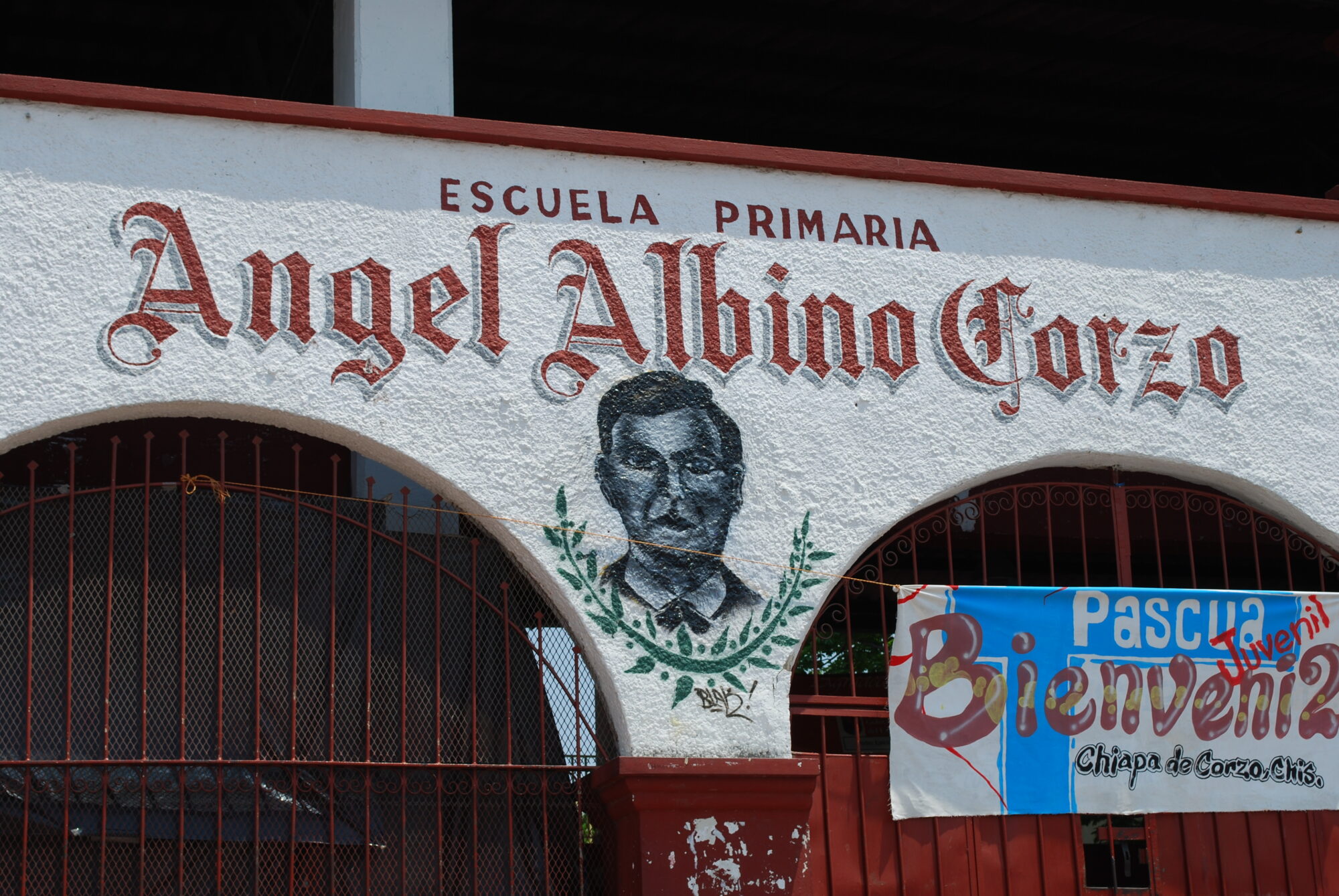
UNESCO awarded its 2026 International Literacy Prizes to six programmes on 8 and 9 September 2026, during International Literacy Day celebrations held in the State of Chiapas, Mexico, in partnership with the Government of Mexico. This year’s observance carried the theme “Literacy for people, the planet and prosperity.”
The six winning programmes
The prizes went to Escuelas LEO, run by BibloRed in Colombia; the Language Friendly School, run by the Rutu Foundation in the Kingdom of the Netherlands; Project PAL, run by the WAER Waters Charity Foundation in Nigeria; the Accelerated Education Programme for out-of-school displaced youth, run by the Alsama Project in Lebanon; the Chiapas Puede state literacy programme in Mexico; and Language for Life, run by Hat Yai City Municipality in Thailand.
A wide range of approaches
The winning initiatives span very different settings, from a state-run literacy campaign in Chiapas itself to a programme supporting displaced Syrian youth in Lebanon and a municipal language initiative in southern Thailand. UNESCO said the theme was chosen to encourage rethinking literacy for today and tomorrow, exploring how lifelong learning systems, policies and practices can better respond to current and future needs, including climate literacy and economic participation alongside basic reading skills.
Why It Matters
Literacy remains a foundational barrier to opportunity in many parts of the world, and the prize-winning programmes each target groups, displaced youth, multilingual learners, adults in under-served regions, who are often left out of mainstream education systems. Highlighting locally developed solutions gives other governments and organisations working on literacy gaps a set of tested models to adapt rather than starting from scratch. Holding the ceremony in Chiapas, one of Mexico’s poorest states and home to a recipient programme, also underscored UNESCO’s stated aim of grounding the prizes in the realities of the communities the winning initiatives serve.



Leave a Reply