

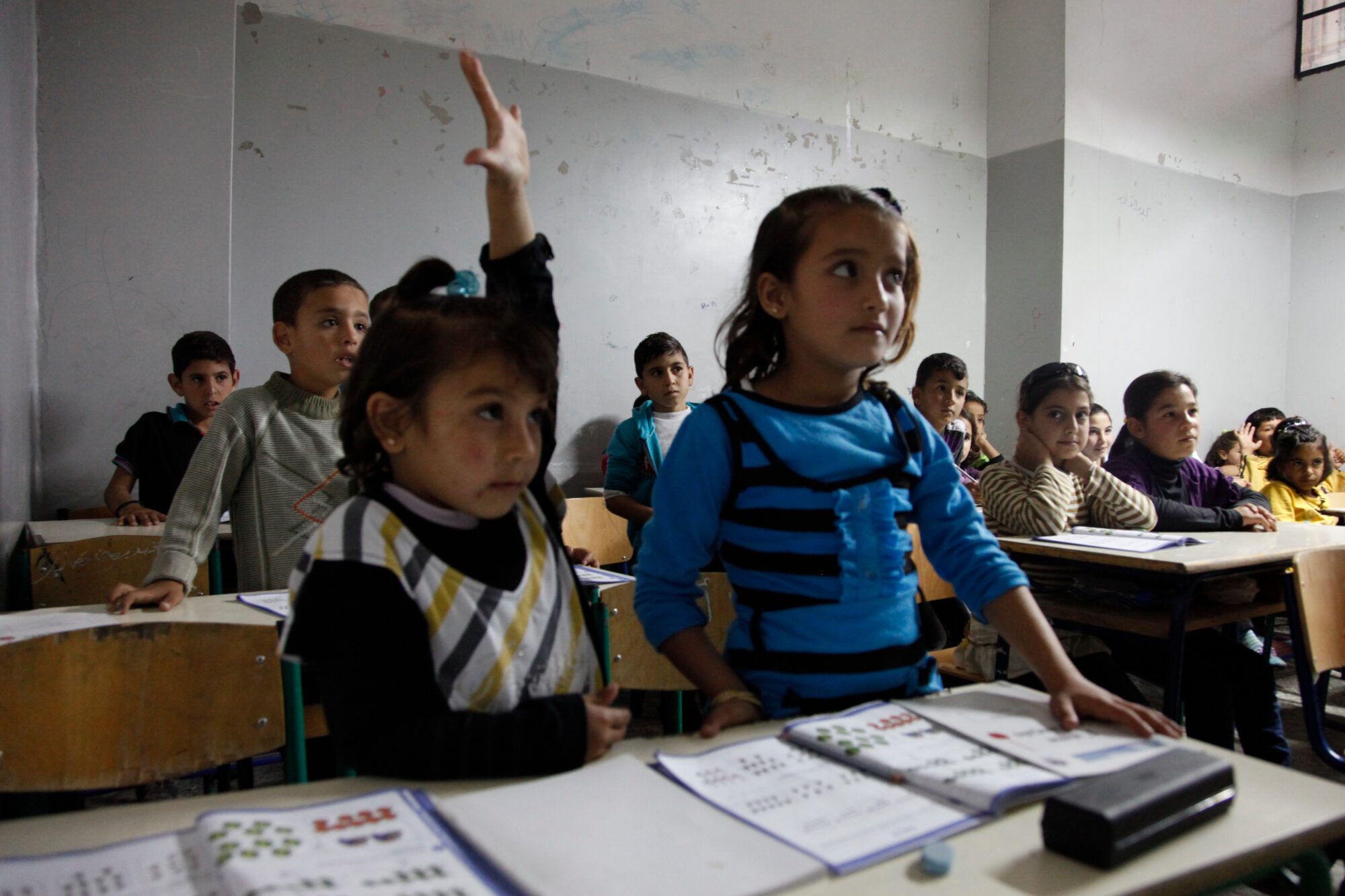
Attacks on schools and the military use of education facilities reached record highs in 2024 and 2025, with more than 10,600 students and educators harmed, according to a warning issued on 9 September, the International Day to Protect Education from Attack, by the global fund Education Cannot Wait. The fund said 93 million children are out of class entirely, while a total of 258 million children across 87 countries face severe disruption to their learning because of insecurity and related crises.
A backdrop the fund calls deteriorating
Education Cannot Wait attributed the record figures to what it described as “increasing conflict, decreasing restraint and eroding global norms” in multiple regions, language that points to a breakdown in the protections schools have traditionally been afforded even in active conflict zones. Maysa Jalbout, the fund’s director, said the consequences of prolonged exclusion from schooling are immediate and lasting: “When a child is denied schooling for years, the consequences are immediate and profound: it means forgotten literacy, lost routines and a future dictated by recruiters or traffickers, rather than teachers.”
Numbers that outpace the response
The scale described, 258 million children facing disruption against 93 million out of school altogether, illustrates a gap between the number of children affected and the resources available to reach them, a gap funds like Education Cannot Wait exist specifically to narrow but which has widened even as the fund’s own data shows deteriorating conditions on the ground. The figures also underscore that disruption to education is rarely confined to the immediate combat zone; children can lose years of schooling to insecurity, displacement or the military occupation of school buildings long after fighting in a specific area has ended.
Why It Matters
Education is often treated as a recovery priority rather than an emergency one, addressed once acute crises subside. Education Cannot Wait’s warning argues the opposite: that the longer children go without schooling during a crisis, the harder that loss is to reverse, with consequences for individual children and for the stability of the societies they will eventually help rebuild.



Leave a Reply