

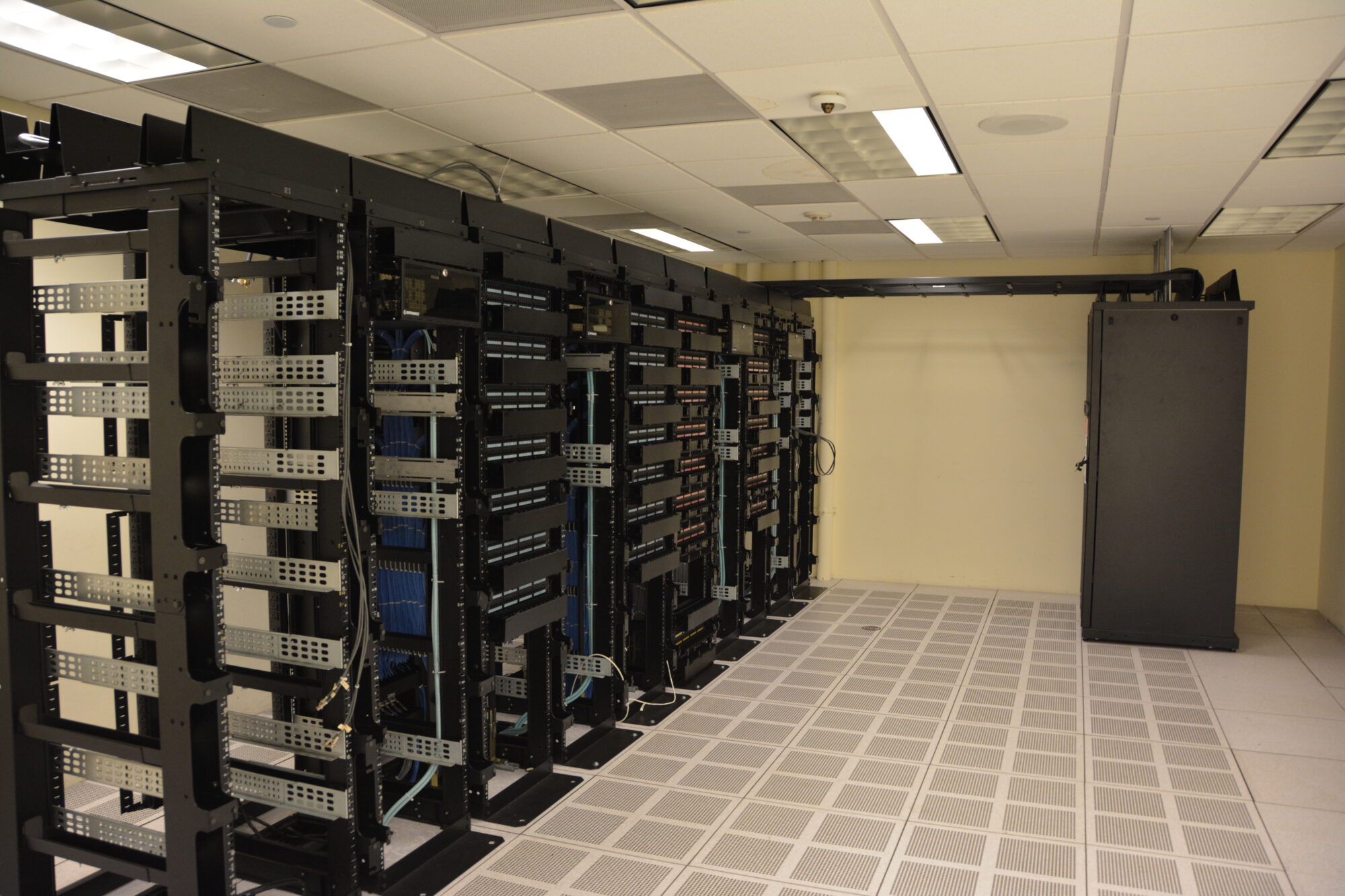
The US Energy Information Administration said on 9 September that it expects record electricity generation in both 2026 and 2027, driven primarily by the expansion of AI data centres alongside growing manufacturing activity. The agency forecasts generation reaching a record 4,368 billion kilowatt-hours in 2026, a 2.2% increase, with electricity sales climbing to 4,135 billion kilowatt-hours this year and continuing to rise into 2027.
Where the growth is concentrated
The West South Central region, which includes Texas, is expected to account for the largest share of the national increase in electricity sales, reflecting the concentration of new data centre construction there. Yet the same region illustrates the strain this growth is putting on the grid: Texas has paused approvals for energising large facilities and cryptocurrency operations while state regulators audit demand verification, after data centres came to represent roughly 90% of 474 gigawatts in new capacity requests sitting in the interconnection queue. Separate industry estimates suggest data centre power demand could double from around 31 gigawatts in 2025 to 66 gigawatts by 2027.
A grid built for a different pace of growth
The core constraint, according to the EIA’s data and independent grid analysts, is not generation capacity itself but the speed at which new facilities can actually be connected to the grid: historically only around 72% of data centres scheduled for activation within a given period actually come online on time, largely because of connection bottlenecks. The EIA also projects a shift in the generation mix to meet the new demand, with solar output rising 17% in 2026 and renewables reaching an estimated 27% of generation by 2027, even as coal’s share continues to shrink.
Why It Matters
The AI industry’s growth is increasingly a story about physical infrastructure as much as software: chips and models mean little without the power to run them. Whether utilities, regulators and grid operators can connect new capacity fast enough will help determine not only electricity prices for ordinary households sharing the same grid, but also how quickly the next generation of AI systems can actually be trained and deployed.



Leave a Reply