

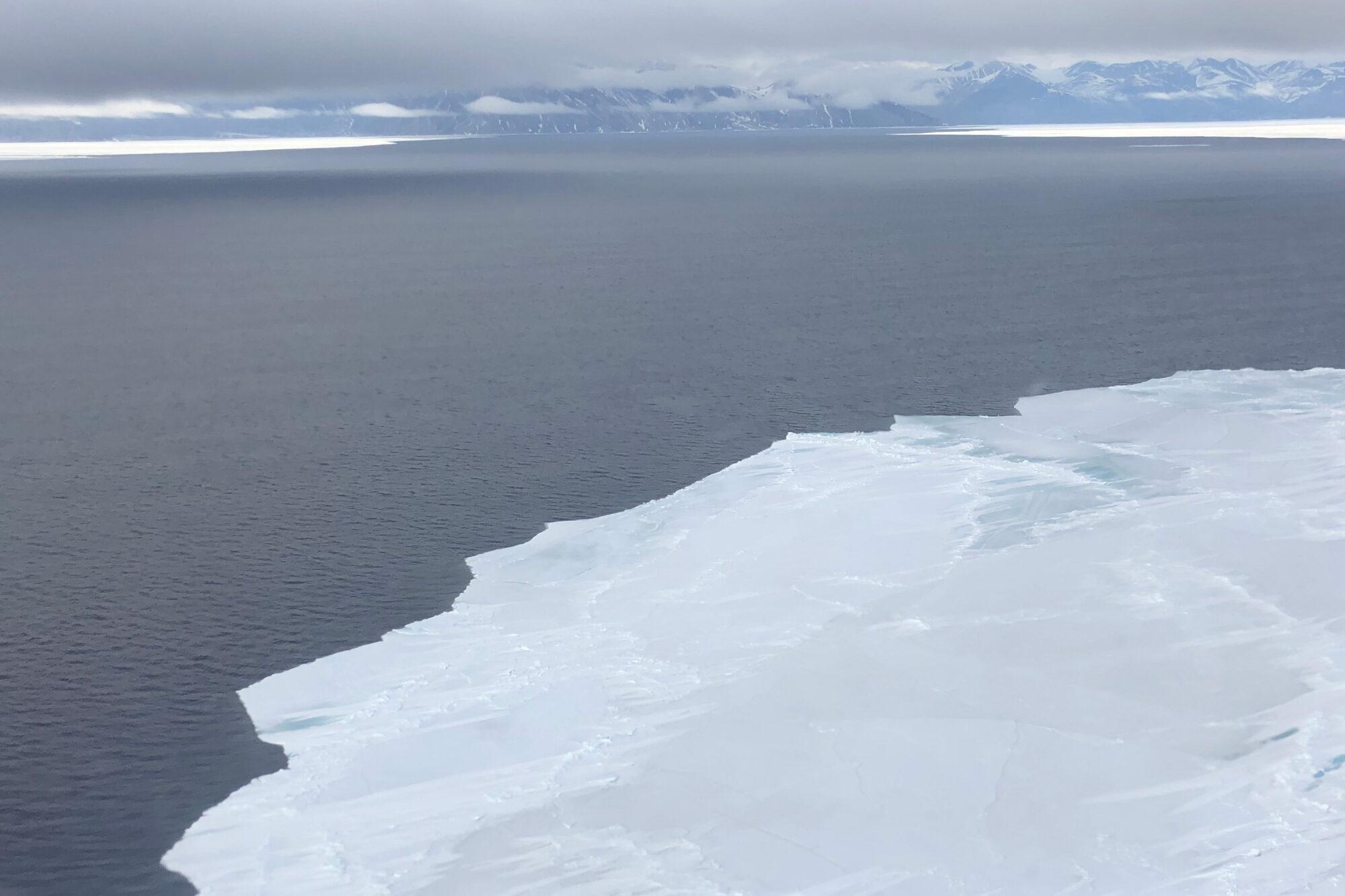
Arctic sea ice reached its annual minimum extent of 4.60 million square kilometres on 12 September, tying with 2025, 2008 and 2010 for the tenth-lowest minimum since satellite records began in 1978, according to NASA and the National Snow and Ice Data Center. The minimum was reached two days earlier than the 1981-2010 median date of 14 September, and the past 20 years, from 2007 to 2026, remain the 20 lowest annual minimums on record.
Plateau or pause
NSIDC senior research scientist Walt Meier described the recent run of similar minimums carefully, saying the Arctic has “plateaued, but we’re still low relative to the earlier part of the record.” NASA sea ice scientist Linette Boisvert offered a partial explanation for the apparent levelling off, noting that increased cloud cover over the past decade has blocked some solar radiation that would otherwise accelerate melting, helping keep recent September extents relatively stable compared with the steep declines of the 2000s and early 2010s.
Why a plateau is not reassuring on its own
Scientists caution against reading a few years of similar minimums as evidence that Arctic ice loss has stopped. The long-term trend remains firmly downward, and a temporary stabilisation driven partly by cloud cover, a variable factor rather than a structural change, could reverse quickly if atmospheric patterns shift. The comparison to a 20-year run of record-low minimums underlines that even a “typical” year now would have counted as an alarming record two decades ago.
Why It Matters
Arctic sea ice extent is one of the most closely watched indicators of the state of the global climate system, because less ice means more dark ocean absorbing sunlight rather than reflecting it, a feedback loop that can accelerate warming both in the Arctic and beyond. Whether 2026’s minimum represents genuine stabilisation or simply a pause before renewed decline will only become clear over further seasons, but the scientific consensus remains that the underlying trend, not any single year’s plateau, is what should guide climate policy.



Leave a Reply