
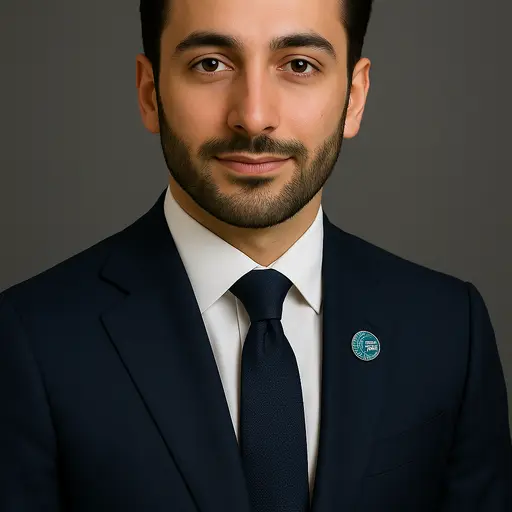
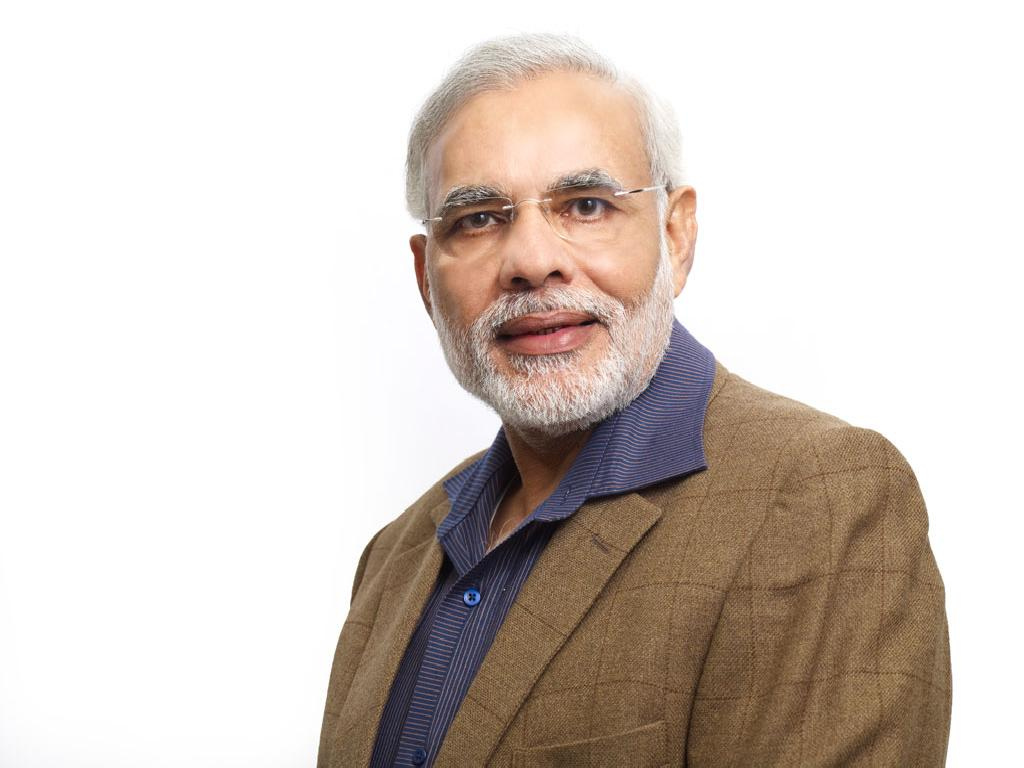
Away from the plenary sessions of the 18th BRICS summit, Indian Prime Minister Narendra Modi used the gathering in New Delhi to hold a run of bilateral meetings with visiting leaders from outside the founding BRICS membership, underlining how multilateral summits increasingly double as venues for a web of separate relationships. On 13 September 2026 he met Egyptian President Abdel Fattah el-Sisi, Kazakhstan’s President Kassym-Jomart Tokayev and Philippine President Ferdinand Marcos Jr in quick succession at the Bharat Mandapam venue.
Egypt: strategic partnership momentum
With Sisi, Modi reviewed what officials described as strong momentum in the India-Egypt Strategic Partnership, discussing trade and investment, defence and security, technology, connectivity and people-to-people exchanges. Sisi raised the possibility of deeper cooperation specifically in manufacturing, clean energy and the automotive sector, and both leaders agreed to continue coordinating through BRICS to advance the priorities of the Global South.
Kazakhstan and the Philippines
India’s foreign ministry said Modi and Tokayev, joined by India’s National Security Adviser Ajit Doval and Foreign Secretary Vikram Misri, reviewed cooperation spanning trade, defence, connectivity, energy, critical minerals and emerging technologies, reaffirming what a readout called their commitment to strengthen the strategic partnership “for the mutual benefit of their people, as well as for peace, stability, development and prosperity in the region.” In a separate meeting, Modi and Marcos discussed defence cooperation, trade and infrastructure, with Modi acknowledging the Philippines’ current role as ASEAN chair.
Why it matters
None of the three meetings produced a headline agreement, but together they illustrate how India is using its year as BRICS host to widen its own bilateral network across Africa, Central Asia and Southeast Asia rather than only advancing the bloc’s collective agenda. For Egypt, Kazakhstan and the Philippines, the sidelines meetings offered direct access to India’s leadership without the choreography of a full state visit, a pattern likely to repeat at future BRICS and multilateral gatherings.



Leave a Reply