

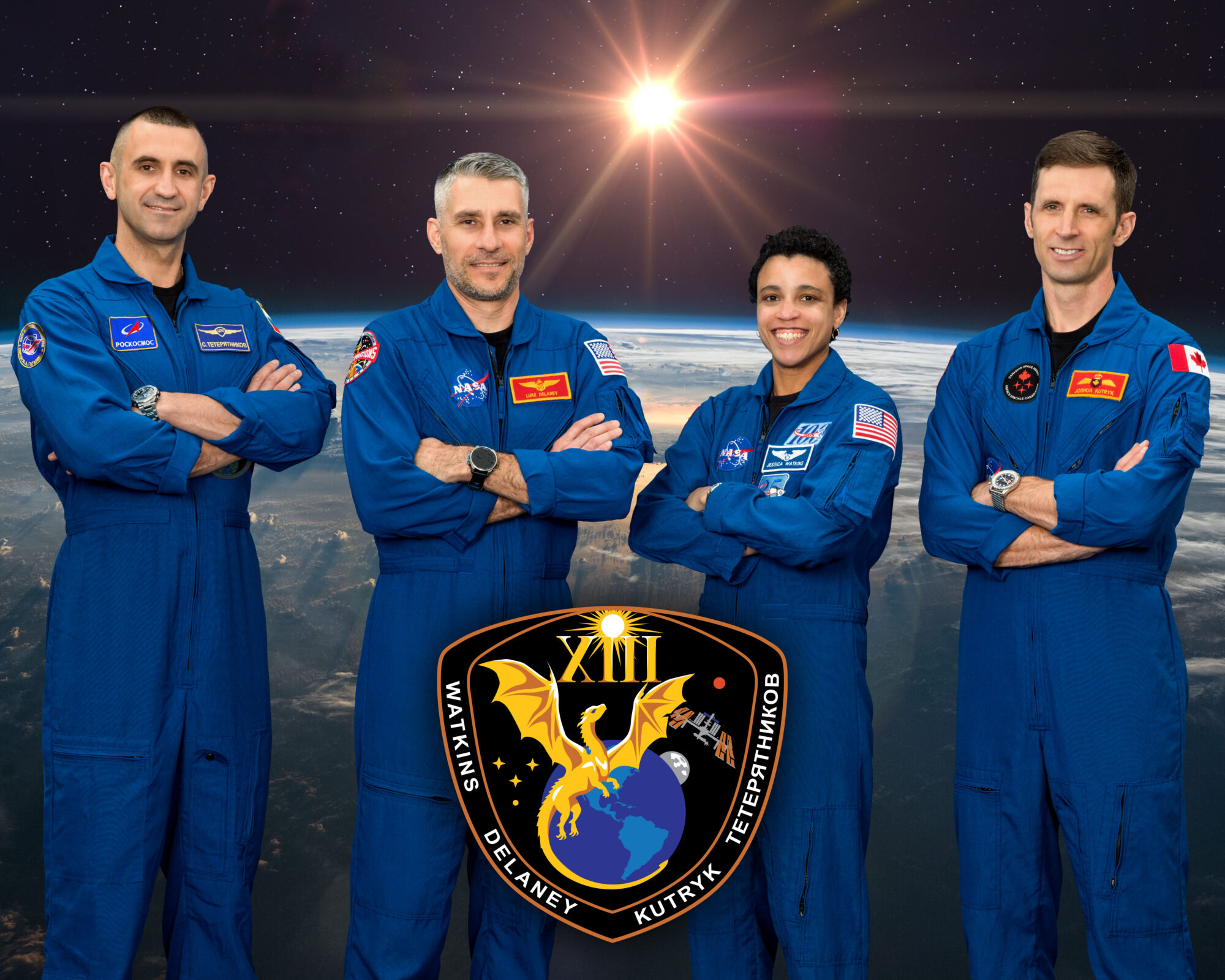
NASA and SpaceX scrubbed the planned launch of the Crew-13 mission to the International Space Station on 12 September 2026 after engineers detected a leak in the oxidizer tank of the Dragon spacecraft’s propulsion system during standard prelaunch processing, according to NASA. The mission, carrying NASA astronauts Luke Delaney and Jessica Watkins, Canadian Space Agency astronaut Joshua Kutryk and Roscosmos cosmonaut Sergei Teteryatnikov, was subsequently rescheduled.
What Went Wrong
NASA said joint teams from the agency and SpaceX conducted additional testing and data review on the Dragon spacecraft, named Grace, after the leak was found, and carried out any necessary rework before clearing the vehicle for a new launch attempt. The scrub pushed the mission’s targeted liftoff from Kennedy Space Center to 1 October 2026, a delay of roughly three weeks from the original date.
A Familiar Precaution
Scrubbing a crewed launch over a hardware issue identified during processing is a routine, if disruptive, part of human spaceflight, reflecting the extensive checks NASA and SpaceX apply before allowing astronauts to fly. The Crew-13 astronauts, who had already begun quarantine procedures ahead of the original launch date, continued final training and preparation during the delay, with NASA and SpaceX using the additional weeks to complete a fuller review of the spacecraft’s propulsion hardware and confirm the fix ahead of the new launch date, a step NASA said was necessary before clearing the spacecraft to fly with a crew on board.
Why It Matters
Crew rotation missions like Crew-13 keep the International Space Station continuously staffed, and delays ripple into handover schedules with the crew already aboard the station. The episode also underscores the rigorous, multi-layered safety reviews built into NASA’s commercial crew programme, in which even a leak caught well before launch is treated as reason enough to stand down and recheck the spacecraft rather than proceed on a tight schedule.



Leave a Reply