

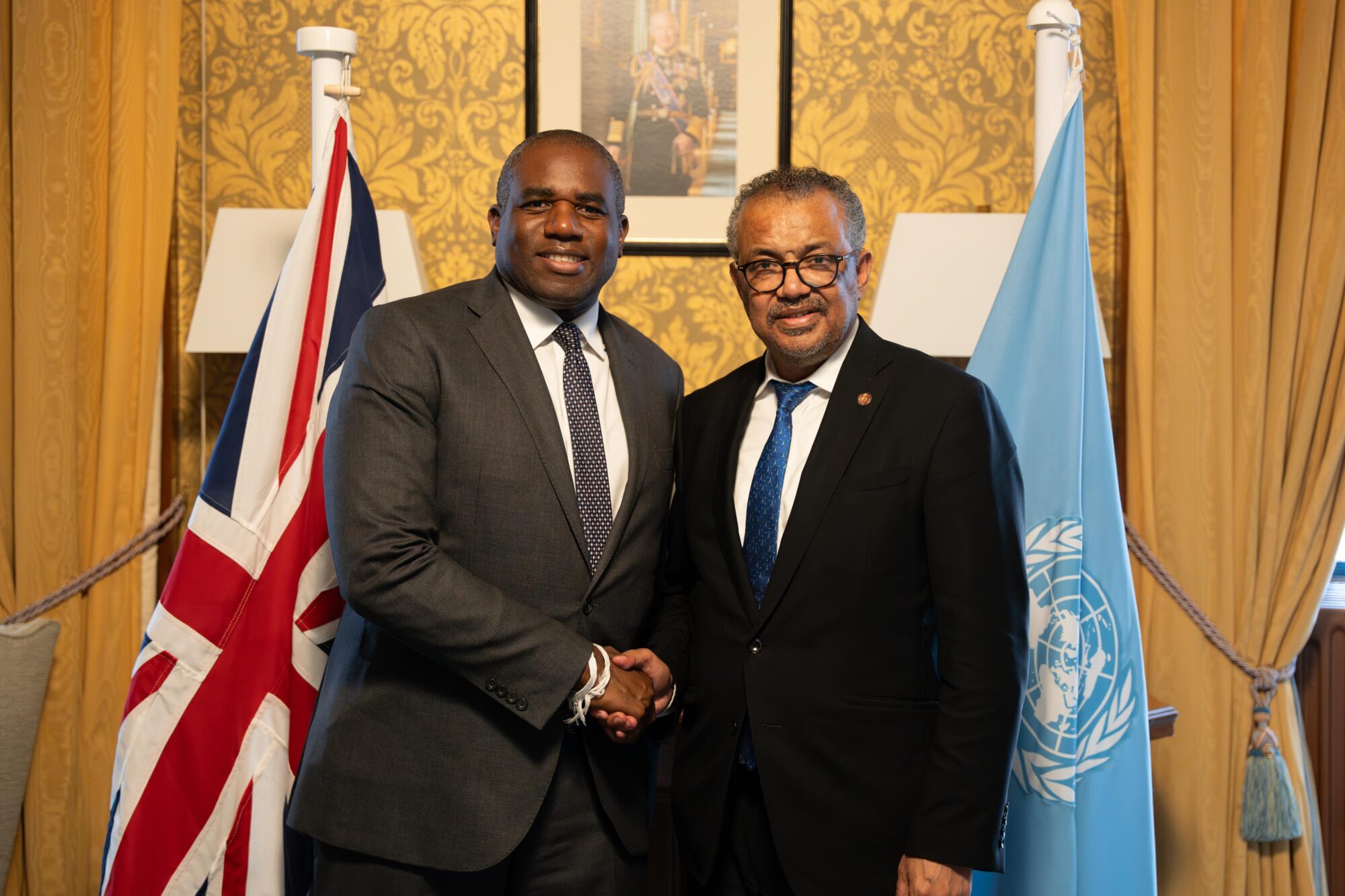
The World Health Organization and the Commonwealth Secretariat renewed their partnership for another four years on 15 September 2026, agreeing to deepen cooperation on primary healthcare and universal health coverage across the Commonwealth’s 56 member countries.
The renewed memorandum of understanding was signed by WHO Director-General Dr Tedros Adhanom Ghebreyesus and Commonwealth Secretary-General Shirley Botchwey, building on an earlier agreement the two organisations first signed in 2022. Dr Tedros said combining “WHO’s technical expertise with the Commonwealth’s unique ability to convene leaders and drive collective action” would help countries better protect health. Botchwey said the renewal reflected “our determination to turn shared ambition into practical results for the people of the Commonwealth.”
Four priority areas
The agreement sets out four areas for joint work: strengthening primary healthcare and essential health system capacity through innovation and digital tools; addressing the social and economic determinants that drive illness; improving health service coverage and financial protection to narrow inequities between and within countries; and building health systems that can withstand climate shocks.
The Commonwealth spans 56 countries across Africa, Asia, the Caribbean, the Pacific and Europe, including a large number of small island states and lower-income countries where health systems have struggled with limited fiscal space and, increasingly, climate-related disruption to services.
Why it matters
Memoranda of understanding between international bodies rarely carry binding commitments or dedicated funding of their own, and this one is no exception: it is a framework for cooperation rather than a financing instrument. Its practical value will depend on how far WHO’s technical programmes and the Commonwealth Secretariat’s convening power, its ability to bring together health ministers and heads of government, translate into changes on the ground in member states. For Commonwealth members in the Pacific and the Indian Ocean already contending with climate-linked health pressures, from heat stress to disrupted supply chains after cyclones, the fourth priority area, climate-resilient health systems, is likely to be the one most closely watched in the years the agreement now covers.



Leave a Reply