

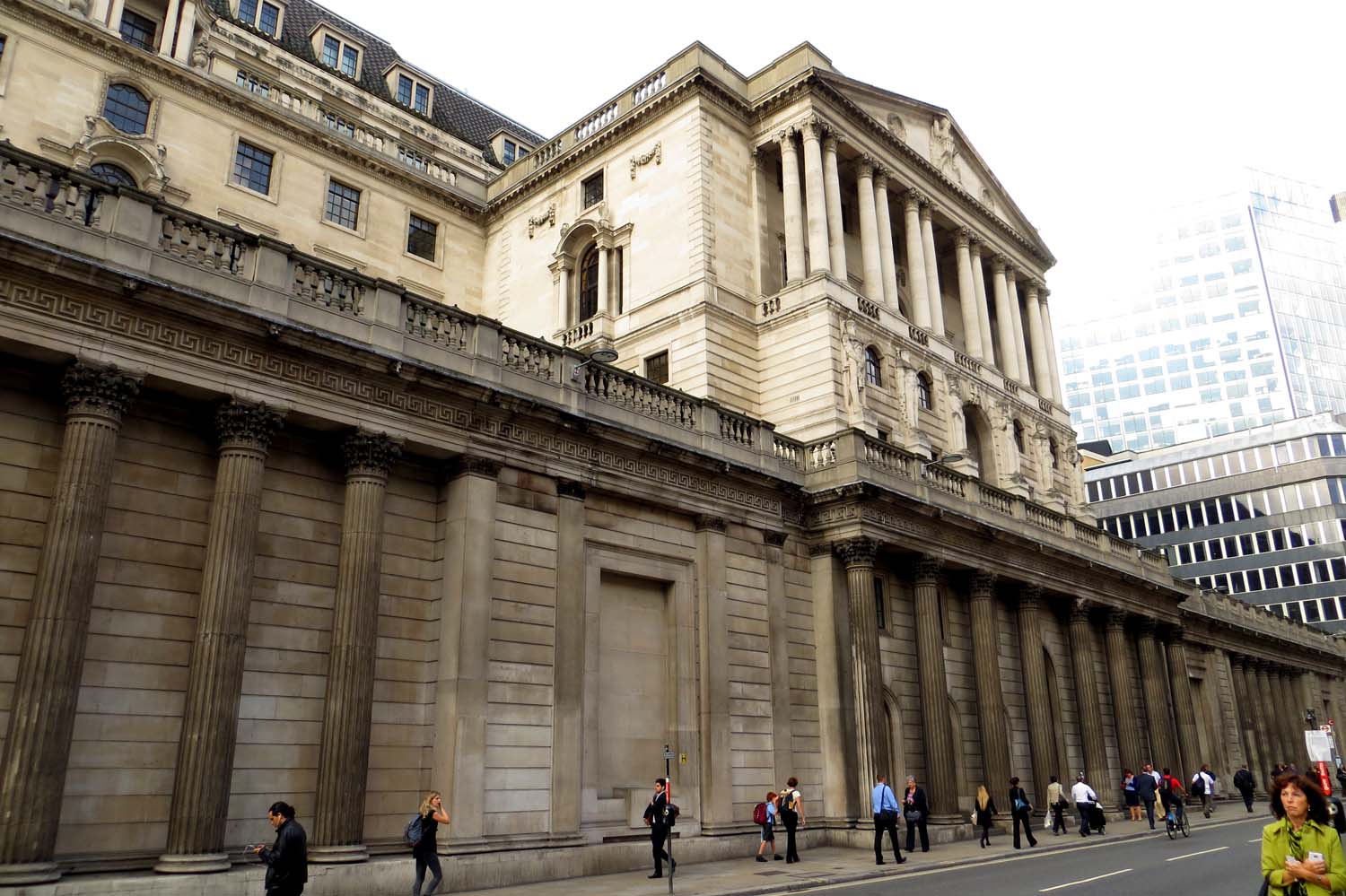
The Bank of England’s Monetary Policy Committee voted 6-3 to hold Bank Rate at 3.75% on 17 September 2026, choosing to diverge from the US Federal Reserve, which had raised its own benchmark rate a day earlier. The three dissenting MPC members voted for a 25 basis-point increase to 4%.
Inflation Above Target
UK consumer price inflation stood at 3.1% in August 2026, well above the MPC’s 2% target, according to the data cited in the bank’s decision. The Bank of England warned that rates might need to rise if conflict in the Middle East continued to push up energy prices and fed through into more persistent inflation across the economy. The committee’s majority judged that holding steady for now was preferable to reacting immediately to the Fed’s move, given differences between the UK and US inflation pictures.
A Split Committee
The three-way dissent underscores continuing disagreement within the MPC over how much weight to give already-elevated inflation versus the risk of over-tightening policy. Most economists surveyed at the time of the decision expected the Bank Rate to remain at 3.75% for the rest of 2026, with the committee’s next scheduled decision due on 5 November. The split vote leaves markets with a less clear-cut signal than a unanimous decision would have offered, keeping investors guessing about the committee’s next move.
Why It Matters
The Bank of England’s decision to hold, even as the Fed moved in the opposite direction, highlights how differently major central banks are weighing the same global pressures, particularly energy-driven inflation linked to the Middle East conflict. The divergence in rate paths between the UK, the US and the eurozone carries direct consequences for currency markets and cross-border borrowing costs, and adds a further layer of complexity for UK exporters and importers navigating an already uncertain trading environment.



Leave a Reply