

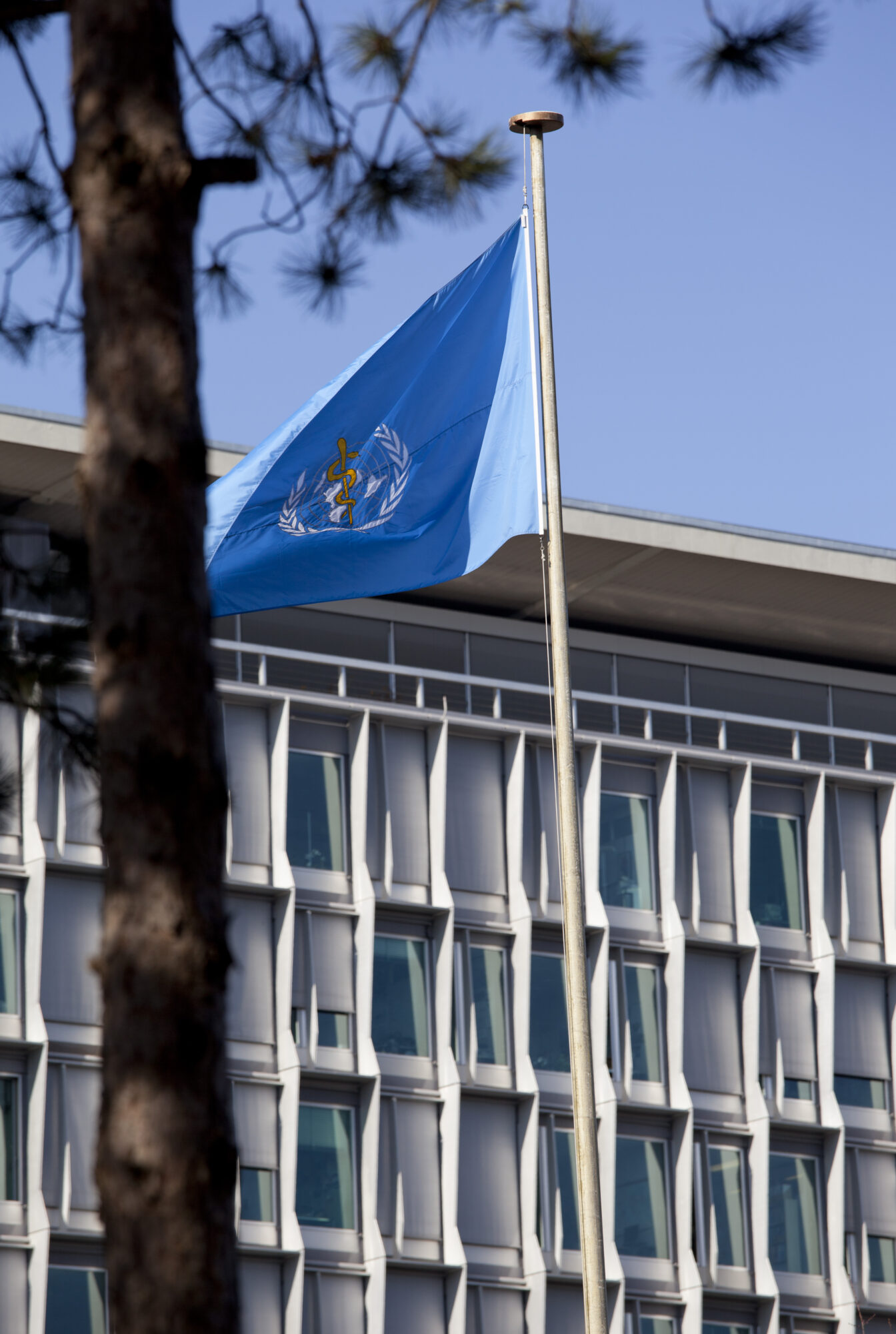
The World Health Organization’s Intergovernmental Working Group concluded its eighth round of talks in Geneva on 18 September, with member states advancing negotiations on the Pathogen Access and Benefit-Sharing annex, the last major piece needed before countries can ratify the Pandemic Agreement adopted by the World Health Assembly in May 2025. WHO Director-General Tedros Adhanom Ghebreyesus said the progress made during the five-day session “brings us closer to keeping that promise” of stronger pandemic preparedness, while Brazilian ambassador Tovar da Silva Nunes, who co-chairs the working group, said the week’s discussions provided “a strong direction for the weeks ahead.”
Why the annex is the whole ballgame
Countries only reached agreement on the Pandemic Agreement itself in 2025 by deferring the most contentious details, chiefly how pathogen samples and genetic sequence data shared during a health emergency should translate into guaranteed access to resulting vaccines and treatments for the countries that shared them, to this separate annex. The agreement cannot enter into force until 60 countries ratify it, and completing the PABS annex is the prerequisite most negotiators say must happen before governments will bring the treaty to their legislatures at all.
Two readings of the same week
WHO’s own account of the September round is one of forward motion. Independent health policy analysts have offered a more sober assessment of the broader process, describing the pandemic agreement as being in a state of “continued limbo” a year and a half after its adoption, with the underlying tensions between countries that develop vaccines and those that supply biological samples still largely unresolved. Both readings can be true at once: progress within a single round of talks does not necessarily mean the wider deadlock over equity and access has broken.
Why It Matters
The gap this annex is meant to close, between countries asked to share pathogen data quickly during an outbreak and their ability to actually obtain the vaccines and treatments that data helps produce, was a defining grievance of the Covid-19 pandemic. Whether negotiators can resolve it before the next global health emergency, rather than after, will determine whether the Pandemic Agreement is a working system or a treaty that exists mainly on paper.



Leave a Reply