

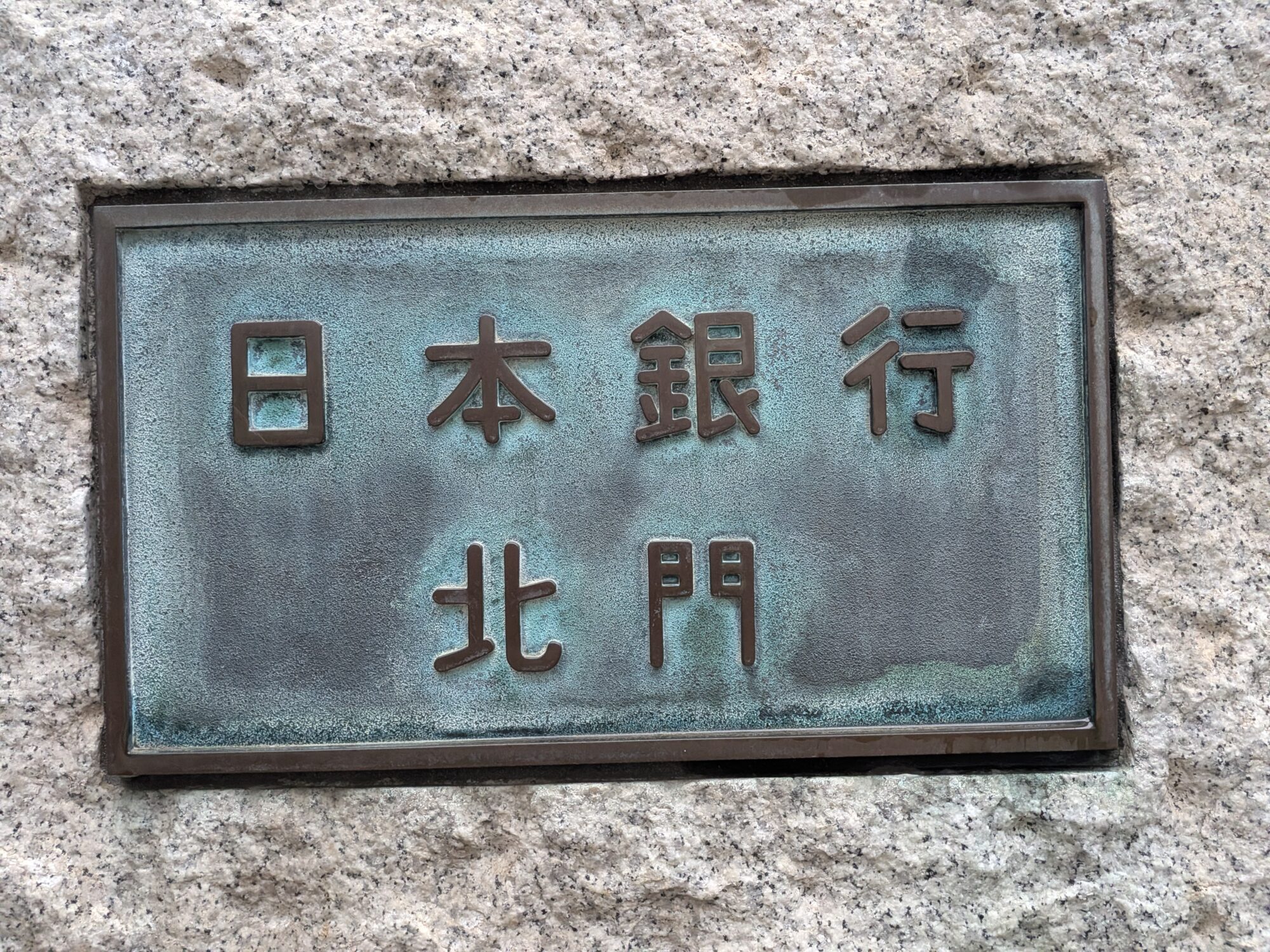
The Bank of Japan raised its key interest rate by a quarter point to 1.25% on 18 September 2026, the highest level since 1995, in a decision split 7-2 among board members. Board members Toichiro Asada and Ayano Sato dissented from the move, according to the bank’s policy statement.
Inflation Risk Cited
The BOJ said the increase reflected a risk that inflation would deviate upward beyond its 2% target, justifying a continuation of the gradual policy normalisation the bank began in March 2024. The pace of tightening has quickened, with this rise coming just three months after the bank’s previous hike, compared with roughly six months between earlier increases in the cycle. The accelerated timetable suggests the board has grown more concerned about upside inflation risks than its earlier, more gradual approach to normalisation implied.
Yen Reaction and Dissent
The yen fell following the announcement, with the two dissenting votes seen by analysts as casting some doubt over the pace of further tightening even as Governor Kazuo Ueda signalled that additional moves remained possible. The split vote illustrates continuing debate within the board over how quickly to unwind decades of ultra-loose monetary policy. A Bloomberg survey of BOJ watchers taken shortly after the meeting found most expect a follow-up hike by January, with some predicting it could come as early as December.
Why It Matters
A policy rate at its highest level in three decades marks a historic turning point for a central bank that maintained near-zero or negative rates for most of the past twenty-five years, with consequences for Japanese government bond yields, mortgage costs and the yen’s value against other major currencies. The quickening pace of hikes also signals the BOJ’s growing confidence that Japan’s inflation problem is no longer transitory, a reassessment with implications for global bond markets given Japan’s status as one of the world’s largest holders of foreign assets.



Leave a Reply