

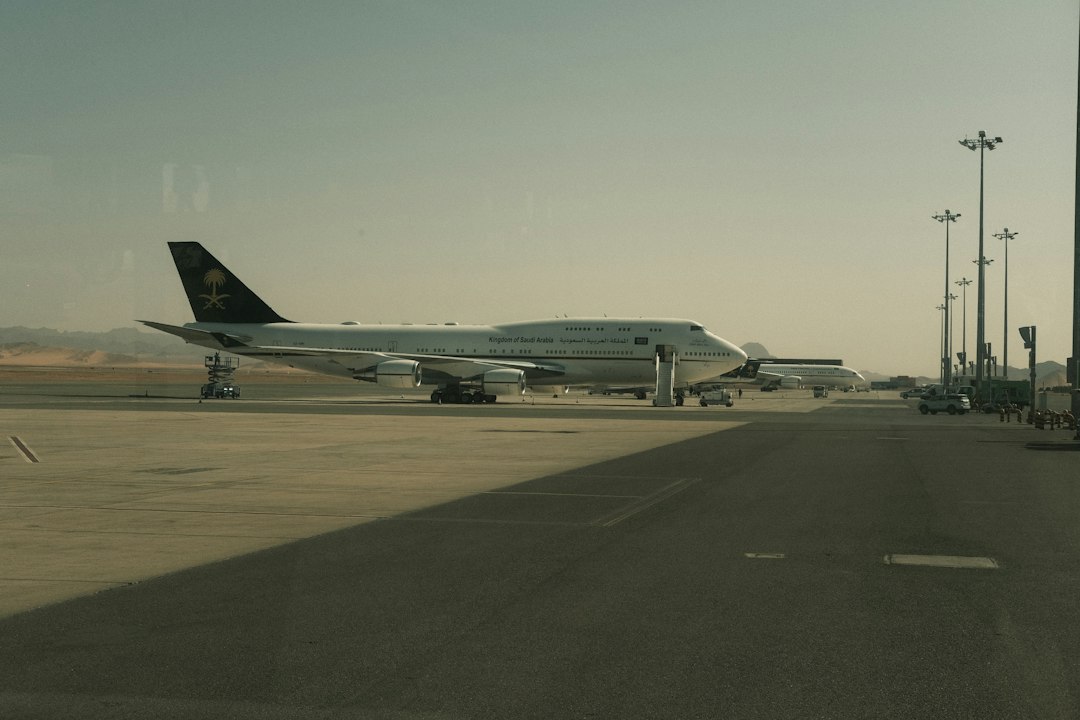
Riyadh Air, Saudi Arabia’s newest airline, added three international routes in September 2026, taking its network from 11 to 14 destinations in a single month. The carrier launched three-times-weekly Boeing 787-9 flights from Riyadh to Bangkok’s Suvarnabhumi Airport on 2 September, followed by daily service to Manila on 9 September, and a three-times-weekly route to Manchester on 19 September.
The Manchester service, flown with the same Dreamliner aircraft, departs Riyadh at 1:30am and lands at 6:40am, with the return leaving Manchester at 8:40am. The route makes Manchester the airline’s second UK destination after London Heathrow, and had originally been planned for July before being pushed back to September.
Chasing expatriate, business and connecting traffic
Each new route targets a different segment of demand. Manila is the largest addition by frequency, aimed at Saudi Arabia’s sizeable Filipino expatriate community as well as business and connecting passengers, while Bangkok strengthens the airline’s presence in Southeast Asia. Manchester extends its reach into the UK regions beyond London, a market well served by rival Gulf carriers but one where Riyadh Air is still establishing a foothold.
Part of a wider capacity build-out
The three launches helped push Riyadh Air’s scheduled two-way seat capacity up by around 18.6% month-on-month in September, to roughly 265,700 seats. The expansion is a visible step in Saudi Arabia’s broader strategy to position Riyadh as a major global aviation and tourism hub, with the airline targeting more than 100 destinations by 2030 as part of the kingdom’s wider Vision 2030 tourism ambitions.
Why it matters
For travellers, the new routes mean more direct options between Saudi Arabia and Southeast Asia and the north of England without connecting through the Gulf’s established hubs. For the wider aviation industry, Riyadh Air’s rapid route build-out is a reminder that Gulf carriers continue to expand their global reach even as established players in Europe and Asia manage more cautious growth, adding fresh competition on long-haul corridors that connect tourism, trade and diaspora travel.



Leave a Reply